 Thursday, October 08, 2026
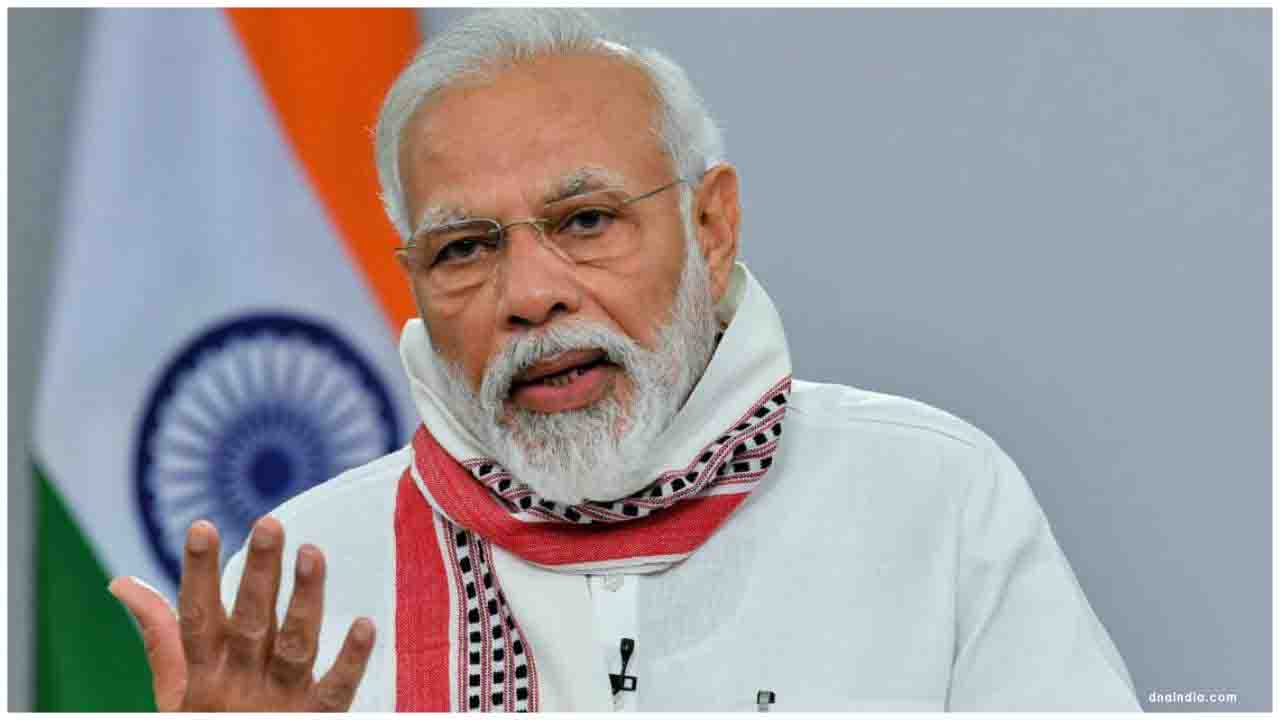
 3 new testing centers for Corona will boost testing capacity to 10 lakh per day




Prime Minister Narendra Modi has said that due to timely decisions taken by the government, India is better placed in comparison with many other countries in terms of deaths due to COVID. The recovery rate is also higher than in other countries and is improving on a daily basis. He said the total number of people who have recovered from the virus is about to reach 10 lakh.
The Prime Minister was speaking at the launch of three high throughput COVID-19 testing facilities via video conferencing yesterday. These facilities are located at the National Institutes of Indian Council of Medical Research, at Kolkata, Mumbai and Noida. He said that these hi-tech testing facilities will boost the testing capacity by almost 10,000 daily tests. He said, more number of tests will assist early detection and treatment which will bolster the fight against the Coronavirus. He added that these labs will not be limited to testing for COVID, but in the future, will also be able to test for Hepatitis B and C, HIV, Dengue and several other diseases.
The Prime Minister said that it was imperative for the country to develop Corona specific health infrastructure at a fast pace. He noted that the Centre had announced a package of 15000 crores at the beginning of this health menace.
Mr. Modi said, the country now has more than 11 thousand COVID facilities and more than 11 lakh isolation beds. Speaking about the testing facilities, Prime Minister said, the country had only one COVID testing centre in January. He mentioned in a small span of time, there are almost 1,300 such labs in the country now.
He said that at present, more than five lakh tests are being conducted in the country daily and efforts are on to increase this capacity to 10 lakh in the coming weeks.
Prime Minister noted that the country has become the second-largest PPE kit manufacturer. He said the country has progressed from not having even a single PPE kit manufacturer six months ago, to having more than 1200 manufacturers.
He also highlighted that from being dependent on imports, now more than three lakh N-95 masks are being produced in the country daily. He also highlighted that the annual production capacity of ventilators in the country has become 3 lakh and there has also been a significant increase in the production of medical oxygen cylinders.
Mr. Modi said, these developments have helped save lives and have converted India from being an importer of such products to becoming an exporter. He added India has always emerged stronger, despite facing adversities and challenges. Sharing his thoughts in the Mann Ki Baat programme on All India Radio today, the Prime Minister said historically, India has always emerged brighter and stronger, ensuring victory over all kinds of disasters and challenges.






.jpeg)










.jpg)
.jpg)
.jpg)
.jpg)
.jpg)
.jpg)


.jpg)