 Thursday, October 08, 2026
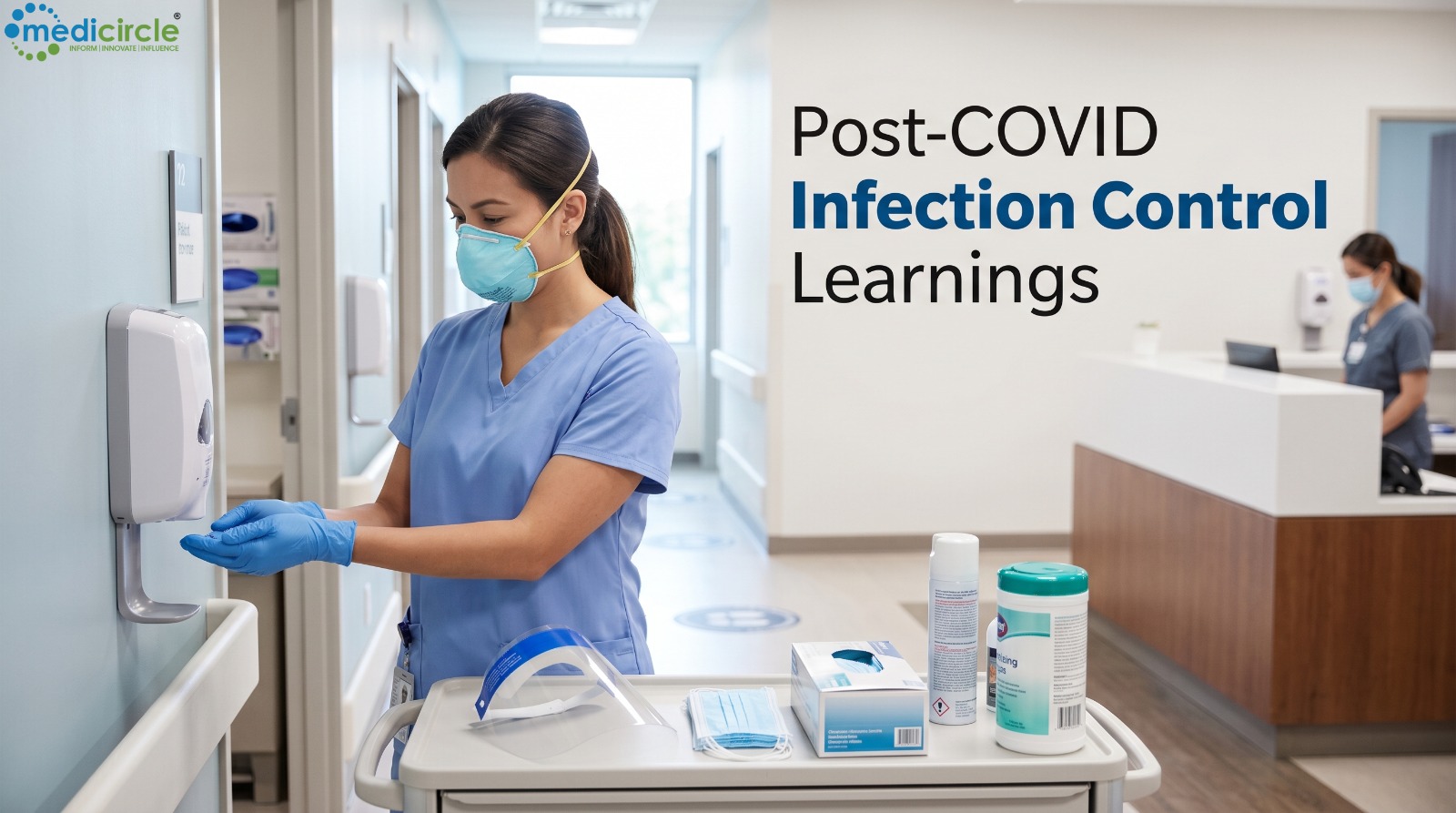
 The experience of post COVID infection has reshaped how we understand infection control, recovery, and long-term health effects. Recognizing patterns like post viral fatigue COVID and post COVID respiratory symptoms has led to more practical, preventive healthcare approaches.




Understanding the Aftermath of COVID-19 in Real Life
The global experience of COVID-19 did not end with recovery from the initial infection. Many individuals continue to experience symptoms weeks or even months later. This phase, often referred to as post COVID infection, has revealed important lessons about infection control, immunity, and long-term care.
In everyday scenarios, people who initially had mild symptoms often report persistent fatigue, a post COVID sore throat, or a lingering cold after COVID. These experiences have shifted the focus from short-term treatment to long-term health monitoring.
What Defines Post-COVID Symptoms
Beyond Recovery: A Gradual Healing ProcessRecovery from COVID-19 is not always immediate. The body continues to adjust even after the virus is cleared. This is why symptoms like post viral fatigue COVID and mild respiratory discomfort can persist.
For instance, someone returning to work after recovery may notice reduced stamina or breathlessness during routine tasks. This is not uncommon and reflects the body’s gradual healing process.
Common Post-COVID Symptoms ObservedPatients frequently report:
- Persistent tiredness or low energy
- Post COVID respiratory symptoms such as mild breathlessness
- Dry cough or post COVID cough and cold patterns
- Throat irritation or sore throat post COVID
- Difficulty concentrating or mood changes
These symptoms vary in intensity but collectively define the aftermath of COVID infection.
Infection Control Learnings from the Pandemic
Shift from Reactive to Preventive HealthcareOne of the most important lessons from post COVID infection is the value of prevention. Infection control is no longer limited to hospitals—it has become part of everyday life.
People now understand the importance of:
- Hand hygiene and respiratory etiquette
- Avoiding unnecessary exposure in crowded spaces
- Staying home when experiencing symptoms
These habits, once seen as temporary, are now part of a broader preventive approach.
Importance of Early Symptom RecognitionRecognizing early signs like a cold after COVID recovery or mild throat irritation helps prevent complications. Early action—such as rest and hydration—can reduce the severity of symptoms.
For example, individuals who address a post COVID cold symptoms phase early often recover faster compared to those who ignore mild warning signs.
Managing Post-COVID Fatigue and Respiratory Symptoms
Understanding Post Viral FatiguePost viral fatigue COVID is one of the most commonly reported concerns. It is not simply tiredness but a deeper sense of exhaustion that affects daily functioning.
In practical terms, a person may feel drained even after minimal activity, such as walking short distances or completing routine tasks.
Approach to RecoveryRecovery requires a balanced and gradual approach rather than pushing the body too quickly.
- Prioritize rest and sleep
- Resume physical activity slowly
- Maintain hydration and balanced nutrition
- Avoid overexertion during early recovery
These strategies help the body regain strength without triggering setbacks.
Respiratory Health After COVID
Lingering Respiratory EffectsEven after recovery, post COVID respiratory symptoms such as mild breathlessness or cough may continue. This is often due to temporary inflammation in the airways.
For instance, climbing stairs or engaging in light exercise may feel more challenging than before infection.
Practical ManagementManaging respiratory symptoms involves simple yet effective measures:
- Breathing exercises to improve lung capacity
- Avoiding exposure to pollutants or smoke
- Maintaining indoor air quality
- Staying consistent with follow-up care if needed
These steps support gradual respiratory recovery.
Mental Health and Post-COVID Recovery
Emotional Impact of RecoveryThe aftermath of COVID infection is not limited to physical symptoms. Many individuals experience emotional changes, including stress or depression after COVID infection.
This may arise from prolonged illness, isolation, or uncertainty during recovery.
Supporting Mental Well-beingMaintaining mental health is an important part of recovery:
- Staying connected with family and friends
- Engaging in light, enjoyable activities
- Seeking professional support if needed
Addressing mental health alongside physical recovery leads to better overall outcomes.
How Infection Control Practices Have Evolved
From Hospitals to HomesBefore COVID-19, infection control was largely associated with healthcare settings. Now, the principles extend to homes, workplaces, and public spaces.
Simple practices such as covering coughs, maintaining hygiene, and being mindful of symptoms are widely adopted.
Long-Term Behavioral ChangesThe pandemic has reinforced habits that continue to benefit public health:
- Increased awareness of hygiene
- Better understanding of disease transmission
- More responsible social behavior during illness
These changes reflect the lasting impact of post COVID infection learnings.
Building Resilience After COVID
Recovery is not just about returning to baseline health but also about building resilience.
Key Aspects of Long-Term Recovery
- Strengthening immunity through balanced nutrition
- Maintaining regular physical activity
- Monitoring persistent symptoms
- Adapting lifestyle habits for sustained health
These approaches help individuals move beyond the lingering cold after COVID phase and regain normalcy.
Conclusion: Lessons That Continue to Shape Healthcare
The experience of post COVID infection has reshaped how individuals and healthcare systems approach infection control. From recognizing persistent symptoms to adopting preventive habits, these learnings continue to influence daily life.
By understanding and applying these insights, individuals can better manage recovery and contribute to a healthier, more informed community.
FAQs
- What is post COVID infection?
Post COVID infection refers to the phase after initial recovery where symptoms may persist or new ones appear. It includes fatigue, respiratory issues, and mild cold-like symptoms.
- Why do symptoms continue after COVID recovery?
Symptoms like post viral fatigue COVID occur because the body is still recovering from the infection. The immune system and tissues need time to return to normal.
- Is sore throat common after COVID?
Yes, a post COVID sore throat is a common complaint. It may result from residual inflammation or dryness in the throat.
- What are common respiratory symptoms after COVID?
Post COVID respiratory symptoms include mild breathlessness, cough, and chest discomfort. These usually improve gradually with time.
- Can a cold occur after COVID recovery?
Yes, experiencing a cold after COVID recovery or a lingering cold after COVID is possible due to temporary immune changes.
- How long does post viral fatigue last?
The duration of post viral fatigue COVID varies. Some recover in weeks, while others may take longer depending on overall health and activity levels.
- Is depression common after COVID infection?
Yes, depression after COVID infection can occur due to physical exhaustion and emotional stress. Addressing mental health is an important part of recovery.
- How can I manage post COVID cough and cold symptoms?
Managing post COVID cough and cold involves rest, hydration, and avoiding irritants. Persistent symptoms may require medical advice.
- What are key infection control learnings from COVID?
Important learnings include hygiene practices, early symptom recognition, and preventive behavior to reduce infection spread.
- When should I seek medical help after COVID recovery?
If symptoms like severe fatigue, persistent cough, or breathing difficulty worsen or do not improve, it is advisable to seek medical evaluation.






.jpeg)










.jpg)
.jpg)
.jpg)
.jpg)
.jpg)
.jpg)


.jpg)