 Saturday, October 10, 2026
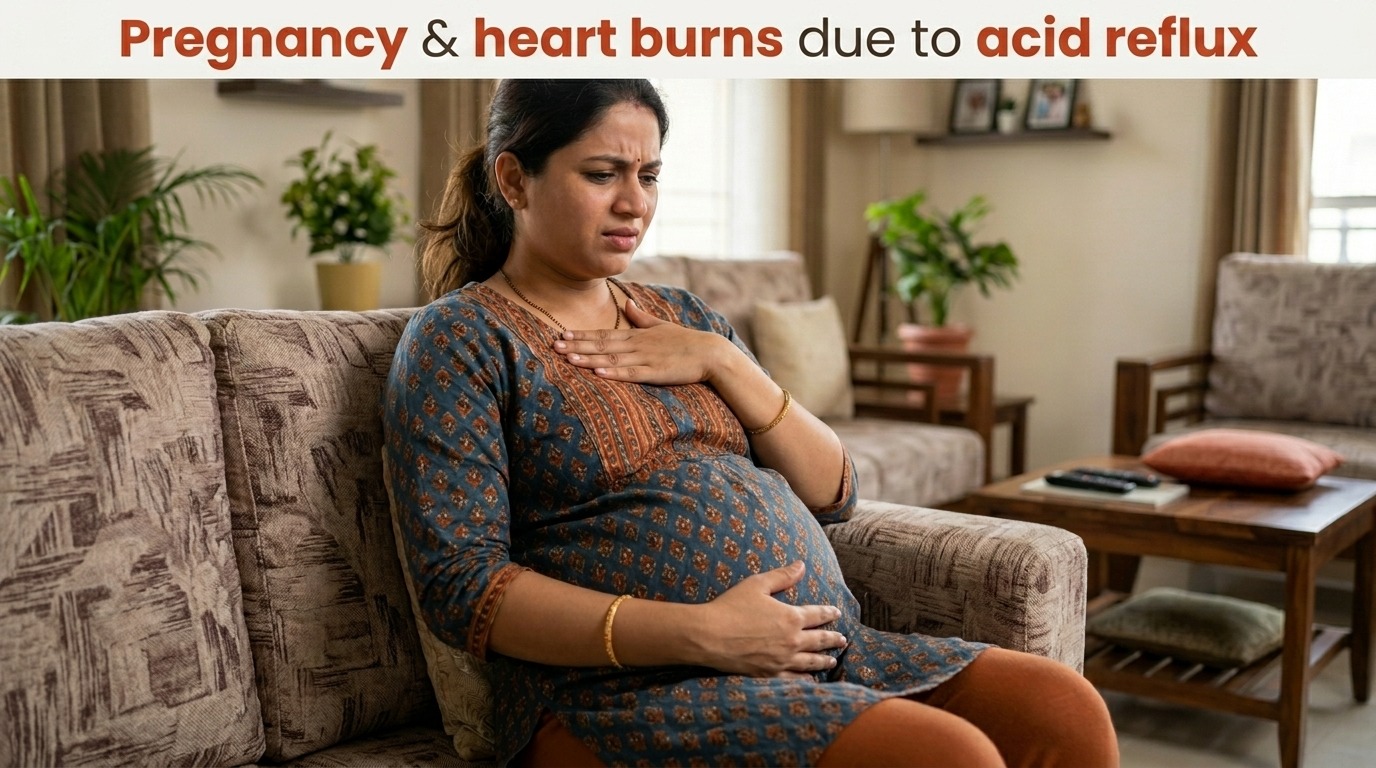
 Acid reflux pregnancy and heart burn in pregnancy are common due to hormonal and physical changes affecting digestion.
Managing dietary triggers and following simple habits helps reduce pregnancy and heart burn discomfort effectively.
Acid reflux pregnancy and heart burn in pregnancy are common due to hormonal and physical changes affecting digestion.
Managing dietary triggers and following simple habits helps reduce pregnancy and heart burn discomfort effectively.





Experiencing heart burn in pregnancy can feel uncomfortable and unexpected, especially when it starts affecting daily eating and sleep patterns. Many women notice a burning sensation in the chest or throat, often linked to acid reflux pregnancy. This condition becomes more common as the body goes through hormonal and physical changes. Understanding how heart burn and pregnancy are connected helps in managing symptoms and improving overall comfort during this phase.
What Happens in Acid Reflux Pregnancy
Acid reflux pregnancy occurs when stomach acid flows back into the food pipe, creating a burning sensation. This happens due to hormonal changes that relax the digestive muscles and physical pressure from the growing uterus.
This condition is closely linked to pregnancy and heart burn, where symptoms may vary in intensity. Some may experience mild discomfort, while others may face severe acid reflux pregnancy that affects sleep and appetite.
Why Heart Burn Happens During Pregnancy
The causes of heart burn and pregnancy are often a mix of internal and lifestyle factors. Hormonal changes slow digestion and increase stomach acid activity. At the same time, physical changes put pressure on the stomach.
Factors such as irregular eating, consuming fatty or oily food, and long gaps between meals can worsen stomach acid issues. In some cases, obesity or stress may also contribute to increased discomfort.
Recognizing Symptoms of Pregnancy-Related Acid Reflux
Symptoms of acid reflux pregnancy are usually easy to identify but can vary based on stage and lifestyle.
Many women experience a burning sensation in the chest or throat, especially after meals. This is commonly referred to as heart burn in pregnancy. Other symptoms may include bloating, discomfort, and a sour taste in the mouth.
In some cases, extreme acid reflux pregnancy may lead to persistent discomfort, especially when lying down or after eating heavy meals.
How Symptoms Change Across Pregnancy Stages
The intensity of pregnancy and heart burn often changes as pregnancy progresses.
First Trimester ExperienceDuring the early stage, acid reflux pregnancy first trimester may begin due to hormonal changes. Symptoms such as heart burn in early pregnancy and first trimester indigestion are common.
Many women also report indigestion in pregnancy first trimester, especially when adjusting to dietary changes.
Third Trimester ChallengesIn later stages, acid reflux pregnancy third trimester becomes more noticeable due to increased pressure on the stomach.
Symptoms like heart burn third trimester and indigestion in pregnancy third trimester may intensify. This stage often includes discomfort after meals and difficulty in sleeping due to reflux.
Everyday Habits That Worsen Acid Reflux in Pregnancy
Certain habits and food choices play a major role in triggering acid reflux pregnancy symptoms.
Eating heavy meals, consuming spicy or oily food, and lying down immediately after eating can worsen stomach acid imbalance. Irregular eating patterns and skipping meals may also lead to discomfort.
Understanding these dietary triggers helps in managing symptoms more effectively.
Simple Daily Adjustments to Ease Heart Burn in Pregnancy
Managing heart burn in pregnancy requires simple lifestyle adjustments and awareness of triggers.
Everyday Habits That Support Relief- Eating smaller meals helps reduce pressure on the stomach
Instead of large meals, dividing food into smaller portions allows better digestion and reduces stomach acid issues. - Maintaining proper timing between meals improves digestion
Avoiding long gaps and irregular eating helps prevent indigestion during pregnancy and discomfort after meals. - Staying upright after eating reduces acid movement
Sitting or standing after meals prevents acid from flowing back, supporting better pregnancy indigestion relief. - Choosing lighter and balanced meals supports digestion
Avoiding fatty and oily foods helps reduce acid reflux pregnancy symptoms and improves comfort.
Natural Ways to Support Acid Reflux Pregnancy Relief
Many women prefer simple and natural methods for managing symptoms during pregnancy.
Common Relief Approaches- Hydration supports overall digestion and reduces discomfort
Drinking enough fluids helps maintain balance and supports acid reflux pregnancy relief - Balanced diet helps control stomach acid levels
Including easily digestible foods supports indigestion pregnancy remedy - Gentle routines improve digestive health
Light activity and proper rest help in managing indigestion while pregnant - Avoiding trigger foods reduces recurring symptoms
Identifying and limiting foods that cause discomfort helps in managing acid reflux pregnancy remedies.
Challenges in Managing Acid Reflux During Pregnancy
Despite simple solutions, managing heart burn and pregnancy can be challenging. Hormonal changes are ongoing, and physical pressure increases as pregnancy progresses.
Symptoms may appear suddenly or persist for longer periods, especially in cases of severe acid reflux pregnancy. Understanding these challenges helps in setting realistic expectations.
Health Effects of Untreated Acid Reflux
Ignoring symptoms of acid reflux pregnancy can lead to discomfort that affects sleep, appetite, and daily routine.
Persistent symptoms such as burning sensation and indigestion pregnancy issues may impact overall well-being. This highlights the importance of timely awareness and simple management practices.
Practical Insights for Daily Comfort
Managing pregnancy and heart burn effectively involves small but consistent changes. Paying attention to food type, meal timing, and posture can significantly improve comfort.
Simple adjustments such as avoiding heavy meals before bedtime and maintaining a balanced routine help in reducing symptoms.
Conclusion
Acid reflux pregnancy and heart burn in pregnancy are common experiences influenced by hormonal changes, dietary habits, and physical factors. Understanding the connection between heart burn and pregnancy helps in managing symptoms more effectively.
With simple lifestyle adjustments, awareness of triggers, and consistent habits, it is possible to reduce discomfort and improve daily comfort during pregnancy.
Frequently Asked Questions (FAQs)
1. Why does acid reflux increase during pregnancy?Acid reflux pregnancy increases due to hormonal changes that relax digestive muscles and create an imbalance in stomach acid levels. As the body adjusts, this can lead to a burning sensation in chest or throat, especially after meals or when lying down.
2. What makes heart burn worse during pregnancy?Certain habits like eating heavy meals, lying down immediately after eating, or consuming fatty foods can worsen heart burn in pregnancy. These factors increase stomach acid issues and slow digestion, leading to more frequent discomfort.
3. Is indigestion common in early pregnancy?Yes, indigestion during pregnancy is common in the early stage due to hormonal shifts. Many women experience first trimester indigestion, which may include bloating, mild discomfort, and irregular digestion patterns.
4. Why is heart burn more severe in the third trimester?In later stages, heart burn third trimester becomes more noticeable due to physical pressure on the stomach. This increases acid reflux and leads to a stronger burning sensation in throat, especially after meals.
5. How can I manage acid reflux pregnancy symptoms at home?Managing acid reflux pregnancy relief involves simple habits like eating smaller meals and avoiding long gaps between eating. These lifestyle adjustments help reduce pressure on digestion and support better control of symptoms.
6. What foods should be avoided during pregnancy to reduce heart burn?Foods that are oily, spicy, or highly processed can trigger heart burn and pregnancy symptoms. These act as dietary triggers and increase discomfort by affecting digestion and stomach acid balance.
7. Can stress affect acid reflux during pregnancy?Yes, stress can worsen pregnancy and heart burn by affecting digestion and increasing stomach acid imbalance. Managing stress through relaxation and routine helps improve overall digestive comfort.
8. Is extreme acid reflux pregnancy normal?Experiencing extreme acid reflux pregnancy can happen in some cases due to strong hormonal effects and pressure on the stomach. This may lead to persistent stomach acid issues, especially after meals or at night.
9. How does meal timing affect indigestion during pregnancy?Irregular eating or long gaps between meals can worsen indigestion pregnancy symptoms. Proper timing supports better digestion and reduces acid reflux by maintaining a steady digestive rhythm.
10. What daily habits help reduce heart burn during pregnancy?Simple habits like eating slowly, staying upright after meals, and choosing lighter foods help manage acid reflux pregnancy. These precaution tips improve digestion and reduce the chances of recurring discomfort.






.jpeg)










.jpg)
.jpg)
.jpg)
.jpg)
.jpg)
.jpg)


.jpg)