 Thursday, October 08, 2026
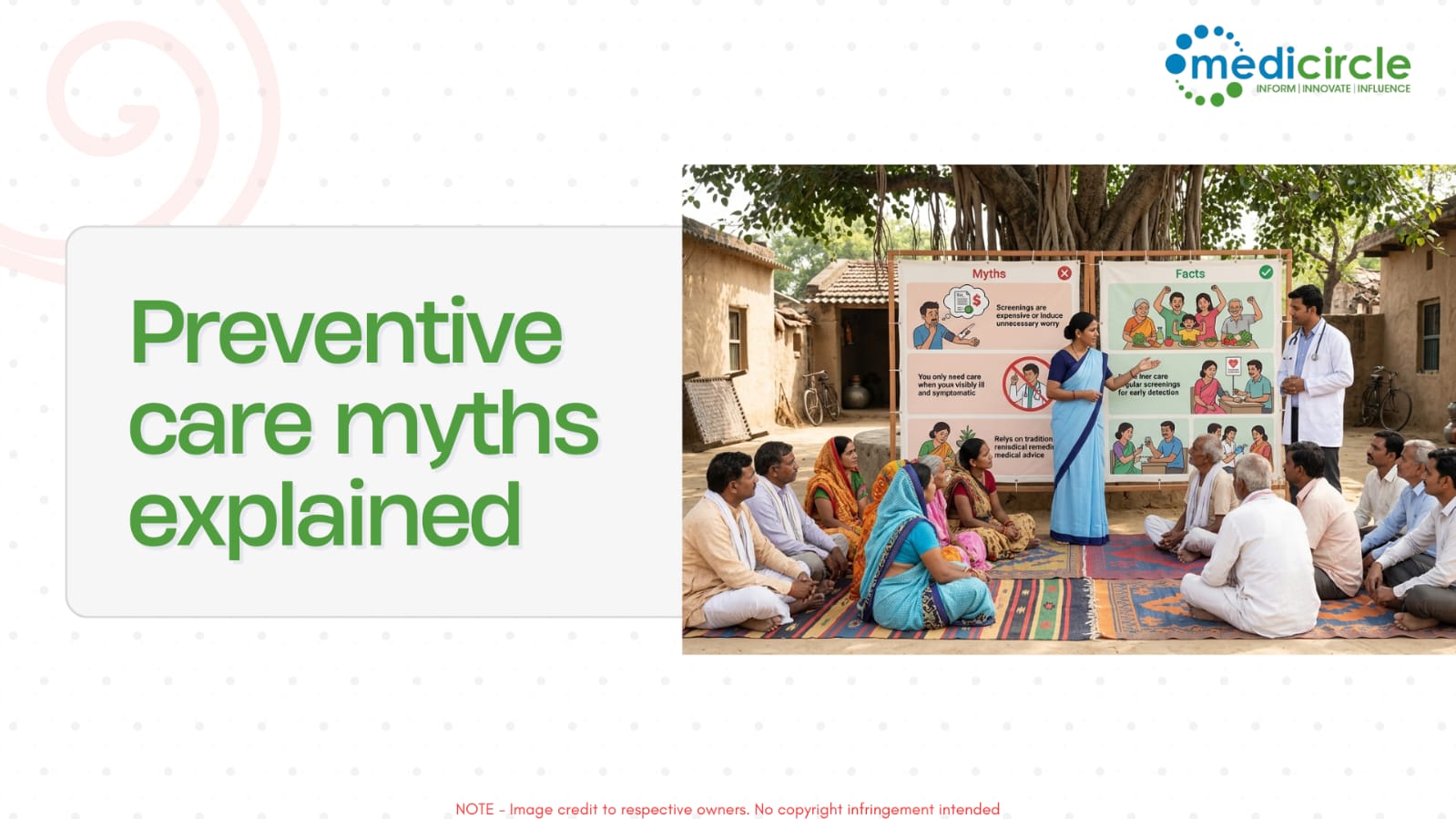
 Preventive care helps identify silent health threats early, saving lives and reducing medical costs. Overcoming myths regarding age and genetics ensures a healthier, more secure future for Indian families.




Common Preventive Care Myths
The saying that prevention is better than cure remains a fundamental truth in Indian households. However, many people continue to wait for a medical crisis before they seek professional help. This traditional habit of treating healthcare as a repair service often leads to complications that could have been avoided. As the modern lifestyle in India changes, the methods used to protect physical health must also adapt to meet new challenges.
Shifting toward a comprehensive culture of wellness requires individuals to look beyond old misconceptions. By understanding the true purpose of preventive screenings, people can transition from a reactive state to a proactive one. This approach ensures that individuals do not just add more years to their lives, but also add vitality and quality to those years.
The Silent Health Threat
A very common misunderstanding in many homes is that a lack of physical pain signifies perfect health. It is easy to assume that if a person can perform daily tasks without discomfort, their internal systems are functioning correctly. Unfortunately, several of the most significant health issues in our country do not announce themselves through pain.
Identifying Invisible Conditions
Conditions such as high blood pressure and elevated blood sugar are often described as silent threats because they do not produce obvious symptoms early on. By the time a person actually feels ill, the condition might have already caused damage to vital organs like the heart or kidneys. Preventive screenings serve as an essential early warning system for these invisible trends. These tests allow for management through simple lifestyle changes before an emergency occurs.
Health Risks for Youth
There is a widespread belief that medical checkups are only necessary for those in their senior years. While age does increase certain risks, the timeline for lifestyle diseases in India has changed quite drastically. High stress levels and irregular sleep cycles now affect younger generations more than ever before.
Early Detection Benefits
Issues like fatty liver and early hypertension are increasingly common among young professionals in their twenties. For a young adult, a medical checkup is not just about finding an existing illness. It is about establishing a personal health baseline. Knowing these numbers early makes it easier for a doctor to spot a dangerous trend a few years down the line.
Smart Financial Planning
In a market where people are mindful of their spending, a health package is often seen as an unnecessary expense. It is tempting to skip these tests if a person feels healthy in the moment. However, looking at the long term reveals that preventive care is actually a very effective financial strategy.
|
Healthcare Type |
Immediate Cost |
Long Term Impact |
|
Preventive Care |
Low Annual Cost |
Predictable and Stable |
|
Reactive Care |
No Initial Cost |
Very High Expense |
A routine screening costs a very small fraction of what a single day in an intensive care unit would require. By choosing to spend a small amount on prevention today, families can protect themselves against massive financial shocks. Early action prevents the need for expensive surgeries or lifelong medication.
Overcoming Medical Fear
A significant psychological barrier is the fear that a medical test will find something wrong. Some people believe that if they do not test for a disease, the disease does not exist. This mindset suggests that ignorance provides safety, but in the medical field, the opposite is true.
Testing does not create a problem where none existed before. It simply provides the necessary information to solve a problem before it grows. Catching a minor deficiency early puts the power of recovery back into the hands of the patient. It is much easier to navigate a ship away from a storm if the radar detects it from a long distance.
Genetics versus Environment
It is common to hear that checkups are not needed because a family has a history of long life. While strong genetics are a great foundation, they are not a complete shield against modern problems. Environmental factors and urban pollution play a massive role in current health outcomes.
Conversely, a family history of a specific illness does not make a diagnosis inevitable for the next generation. Preventive care allows those with higher risks to monitor their health with great precision. This proactive monitoring turns a perceived destiny into a manageable risk that can be controlled through specific interventions.
Common Health Questions
Frequency of Testing
For most healthy adults under the age of forty, a full checkup every two years is usually enough. However, if a person is over forty or has a history of illness in the family, an annual screening is highly recommended.
Necessary Basic Tests
A standard preventive screen should include a complete blood count and a fasting blood sugar test. It is also important to check cholesterol levels and blood pressure. A doctor may also suggest liver and kidney function tests based on individual history.
Conclusion
Changing the focus from treating illness to maintaining wellness is a vital step for long term happiness. In India, the family is the highest priority, and staying healthy is the best way to care for loved ones. Preventive care is an empowering choice that replaces uncertainty with clear knowledge. By scheduling a routine appointment, you are investing in a future where you remain in control of your own well-being.






.jpeg)










.jpg)
.jpg)
.jpg)
.jpg)
.jpg)
.jpg)


.jpg)