Wednesday, October 07, 2026
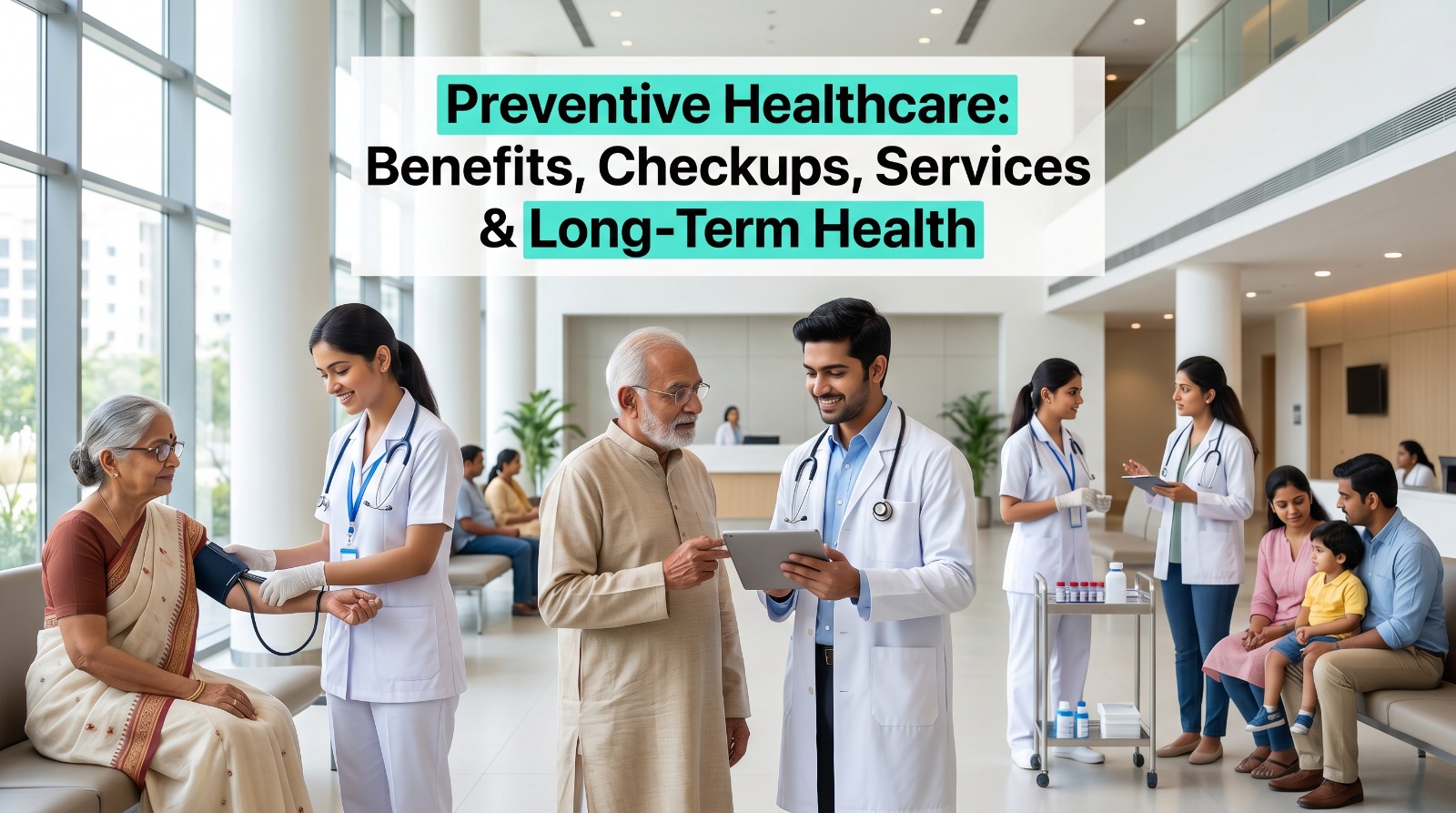
 Preventive healthcare focuses on early detection, timely action, and lifestyle awareness to avoid serious health conditions. Understanding preventive health check up and routine care can significantly improve long-term well-being.




Understanding Preventive Healthcare and Its Importance
Preventive healthcare is about taking proactive steps to maintain health rather than waiting for illness to occur. It includes regular screenings, lifestyle modifications, vaccinations, and routine monitoring of health indicators.
In everyday life, this might look like someone scheduling an annual preventive health check up even when they feel perfectly fine. The goal is not treatment—but early detection and prevention.
Unlike reactive care, preventive medical care helps identify silent conditions such as high blood pressure, early diabetes, or vitamin deficiencies before they become serious. This approach not only improves quality of life but also reduces long-term healthcare costs and complications.
Why Preventive Healthcare Matters in Modern Life
Changing Lifestyle and Health RisksModern lifestyles—long sitting hours, irregular diets, stress—have increased the risk of chronic conditions. Many of these issues develop quietly without obvious symptoms.
For example, a working professional may feel healthy but could have elevated cholesterol levels detected only through a preventive health checkup.
Early Detection and Better OutcomesThe biggest advantage of preventive healthcare services is early diagnosis. Detecting a condition at an early stage allows simpler, more effective management.
This is especially important for conditions like diabetes, heart disease, and thyroid disorders, where early intervention significantly improves outcomes.
Key Components of Preventive Healthcare
Regular Health CheckupsRoutine screenings form the backbone of preventive health services. These include blood tests, physical examinations, and monitoring of vital parameters.
A typical preventive health check up may assess:
- Blood sugar levels
- Cholesterol profile
- Liver and kidney function
- Vitamin levels
These tests provide a comprehensive overview of health and help identify risks early.
Vaccinations and ImmunizationVaccines are an essential part of preventive medical care, protecting individuals from infectious diseases. Adults, not just children, benefit from timely immunizations.
Lifestyle and Behavioral InterventionsPreventive care also includes maintaining a balanced diet, regular physical activity, stress management, and sleep hygiene. These daily habits play a major role in long-term health.
Preventive Health Checkup Packages: What They Include
Understanding Health PackagesPreventive health checkup packages are designed to provide a structured evaluation of health in a single visit. These packages vary based on age, gender, and risk factors.
For example, a basic package may include essential tests, while advanced packages may include imaging, cardiac screening, and specialized diagnostics.
Choosing the Right PackageWhen selecting from the best preventive health checkup packages, it is important to consider personal health history, lifestyle, and family risk factors.
Some individuals may opt for general packages, while others may need targeted evaluations for specific concerns like heart health or metabolic disorders.
Real-Life Impact of Preventive Healthcare
Early Diagnosis in Everyday ScenariosConsider a person who undergoes a routine preventive health check up and discovers slightly elevated blood sugar levels. With timely lifestyle changes, they can prevent progression to diabetes.
Without such screening, the condition might remain unnoticed until symptoms appear, making management more complex.
Workplace and Corporate Health TrendsMany organizations now offer preventive healthcare services to employees. This not only improves employee well-being but also enhances productivity and reduces absenteeism.
For instance, corporate health programs often include annual screenings and wellness counseling.
Role of Hospitals and Health Providers
Structured Preventive Care ProgramsHealthcare institutions offer structured programs like apollo preventive health checkup and apollo hospital preventive health check up, which provide comprehensive screening and expert consultation.
Similarly, insurance-linked services such as star health preventive health checkup and star health preventive health checkup packages make preventive care more accessible.
Accessibility and AwarenessThese programs have increased awareness about preventive health care services, encouraging individuals to prioritize routine health monitoring rather than waiting for symptoms.
Benefits of Preventive Healthcare
Long-Term Health AdvantagesThe benefits of preventive healthcare extend beyond disease prevention:
- Improved quality of life
- Reduced healthcare expenses
- Better management of existing conditions
For example, identifying vitamin deficiencies early can prevent fatigue, weakness, and long-term complications.
Psychological and Lifestyle BenefitsKnowing your health status provides peace of mind. Individuals who regularly follow preventive medical care often feel more in control of their health and make informed lifestyle decisions.
Preventive Healthcare Across Different Age Groups
Young AdultsFor younger individuals, preventive health check up focuses on baseline health, nutrition, and lifestyle habits.
Middle-Aged IndividualsAt this stage, screenings become more important due to increased risk of chronic diseases. Regular monitoring through preventive health services helps manage these risks effectively.
Older AdultsIn older age, preventive care focuses on maintaining function, managing chronic conditions, and improving quality of life.
Common Barriers to Preventive Healthcare
Lack of AwarenessMany people still associate healthcare only with illness. The concept of preventive healthcare is often overlooked until a problem arises.
Time and AccessibilityBusy schedules and limited access to facilities may delay routine checkups. However, with the availability of preventive health checkup packages, it is becoming easier to integrate screenings into daily life.
Practical Steps to Integrate Preventive Healthcare
Building a RoutineMaking preventive healthcare a habit requires consistency:
- Schedule annual health checkups
- Track key health parameters
- Follow up on abnormal results
Choosing reliable providers and appropriate preventive health checkup packages ensures accurate results and effective guidance.
Conclusion: A Proactive Approach to Health
Preventive healthcare is not just a medical concept—it is a lifestyle approach. By prioritizing regular screenings, understanding risk factors, and adopting healthy habits, individuals can take control of their well-being.
Rather than reacting to illness, preventive medical care empowers people to stay ahead of potential health issues, leading to a healthier and more balanced life.
FAQs
- What is preventive healthcare and why is it important?
Preventive healthcare involves taking steps to prevent diseases before they occur. It includes routine screenings, vaccinations, and lifestyle changes.
Its importance lies in early detection. Many health conditions develop silently, and a timely preventive health check up can identify risks before they become serious, allowing for easier and more effective management.
- How often should I go for a preventive health check up?
The frequency of a preventive health check up depends on age, lifestyle, and risk factors. Generally, once a year is recommended for most adults.
However, individuals with existing health concerns or family history may require more frequent monitoring as part of preventive medical care.
- What is included in preventive health checkup packages?
Preventive health checkup packages typically include blood tests, organ function tests, and screenings for common conditions.
Advanced packages may also include heart evaluations, imaging, and specialist consultations. Choosing the best preventive health checkup packages depends on individual health needs.
- Are preventive health services only for sick people?
No, preventive health services are designed for healthy individuals as well. The goal is to maintain health and detect potential risks early rather than treat illness after it occurs.
- What is the difference between preventive and curative healthcare?
Preventive healthcare focuses on avoiding disease, while curative care focuses on treating existing conditions. Preventive care emphasizes early detection and lifestyle management.
- Are hospital preventive health programs reliable?
Programs like apollo preventive health checkup and star health preventive health checkup are structured to provide comprehensive and reliable screenings.
They often include expert consultation and follow-up, making them a convenient option for routine health monitoring.
- Can preventive healthcare reduce medical expenses?
Yes, early detection through preventive healthcare services can prevent costly treatments later. Managing a condition early is often simpler and more affordable.
- Is preventive healthcare necessary for young adults?
Yes, even young individuals benefit from preventive medical care. It helps establish baseline health and identify early risk factors related to lifestyle.
- How do I choose the best preventive health checkup package?
To select the best preventive health checkup packages, consider age, medical history, and lifestyle. Consulting a healthcare provider can help tailor the right package.
- Can preventive healthcare improve overall quality of life?
Yes, preventive healthcare supports long-term well-being by reducing disease risk, improving energy levels, and promoting healthier lifestyle choices.
Regular monitoring and awareness help individuals stay proactive about their health rather than reactive.






.jpeg)




.jpg)
.jpg)
.jpg)
.jpg)
.jpg)
.jpg)


.jpg)
.jpg)
.jpg)
.jpg)
.jpg)
.jpg)