 Sunday, October 11, 2026
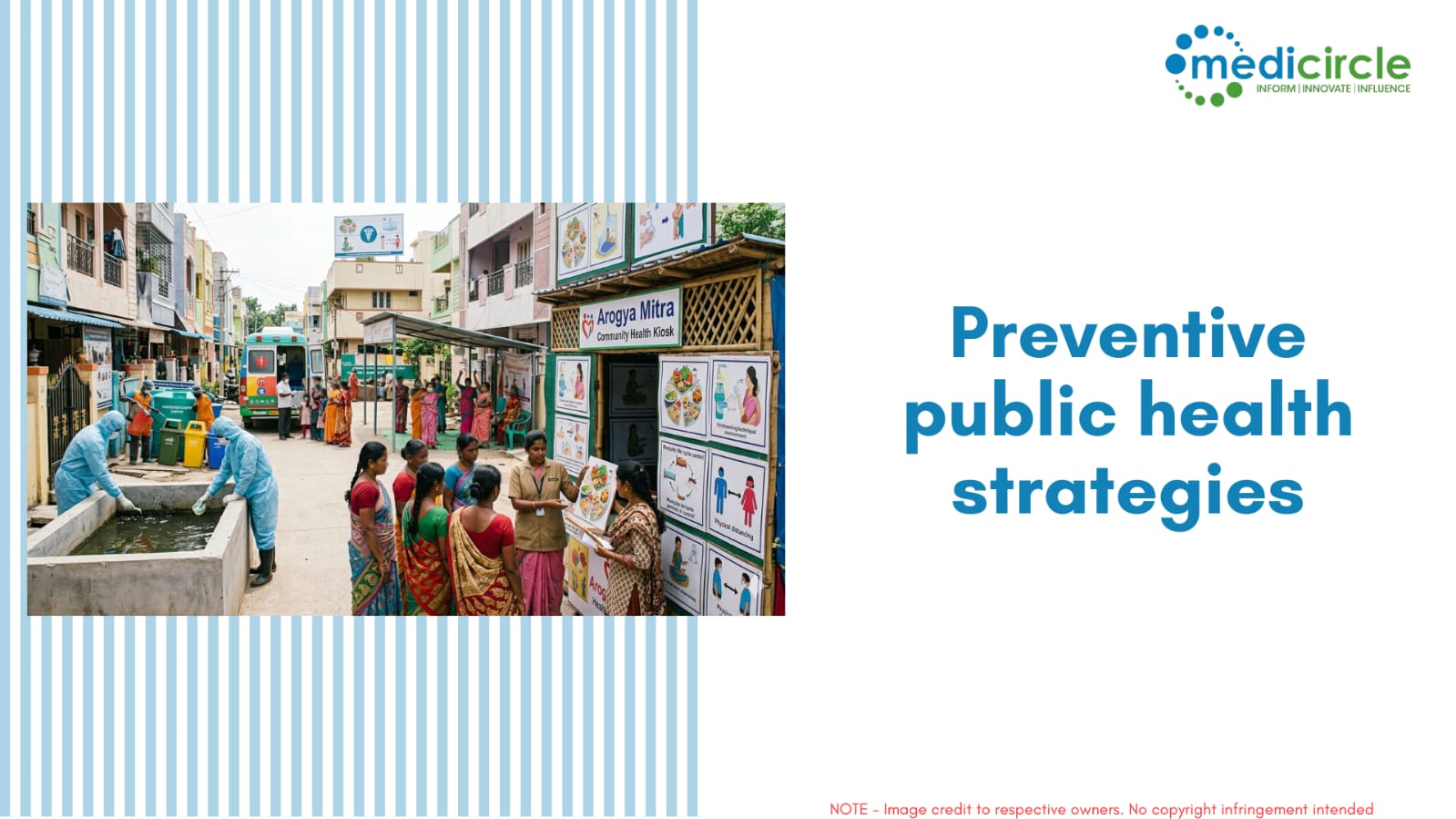
 India is shifting from reactive treatment to proactive prevention. By utilizing digital tools, institutional wellness, and personalized data, the nation aims to improve long term public health outcomes.




Preventive Public Health Strategies for a Healthier India
For many generations, the typical approach to healthcare in India remained strictly reactive. Most people sought medical assistance only when symptoms became severe or when a physical condition started to hinder daily activities. However, as the nation faces a sharp increase in lifestyle diseases such as diabetes and hypertension, this traditional habit is becoming both dangerous and expensive. India is currently experiencing a significant cultural shift where the focus is moving from the hospital room into our daily lives. Healthcare is no longer just a service to fix a problem but a proactive method to protect our long term wellbeing.
This evolution is not merely about being cautious but about being intelligent with our choices. Avoiding an illness is significantly less exhausting for the finances and the emotions of a family than managing a medical emergency. By merging modern technology with a higher level of awareness, the country is creating a new framework. In this system, maintaining good health becomes a deliberate choice instead of a matter of chance.
Digital Screening Tools
Accessing Remote Care
In a country with such diverse geography, receiving a medical checkup should not depend on your proximity to a major city. Digital health infrastructure is finally creating an equal opportunity for everyone. Integrated platforms and remote diagnostics now permit individuals in smaller towns to access high quality health insights. These resources were previously available only to those living in metropolitan hubs.
Predictive Health Intelligence
The current trend is moving toward what experts call preventive intelligence. Instead of using basic tests that only identify existing sickness, modern screenings analyze metabolic patterns and nutrient levels. These data points help predict potential health risks that might occur years into the future. By connecting these findings to digital health records, individuals can monitor their personal health journey over time. This continuous tracking allows for minor lifestyle adjustments that can prevent major medical events later in life.
Institutional Wellness Programs
Health as Community
Wellness is not just an individual duty but a shared community goal. Schools and corporations across the nation are realizing that a stressed student or an exhausted professional cannot perform effectively. Consequently, there is a visible rise in managed healthcare solutions that treat physical and mental health as a single unit. These programs create a supportive environment where staying healthy becomes the standard expectation.
Mental Health Integration
These initiatives are expanding far beyond simple annual physical examinations. They now incorporate stress management, ergonomic advice, and accessible professional counseling. By making mental health discussions normal, these institutions identify psychological triggers of physical illness early. Professionals can address these issues before they turn into chronic heart problems or digestive disorders.
Personalized Lifestyle Management
Individualized Health Data
While medical intervention remains vital, our daily habits serve as the most effective defense. The modern Indian population is more aware of health than ever before, but general advice is no longer sufficient. We are entering an era where wellness is tailored to the specific needs of the individual. Wearable technology and smart applications now allow us to monitor sleep cycles and activity levels in real time.
Precision Wellness Services
This model of personalized care allows people to adjust their daily routines with high precision. For example, data might reveal that a specific individual responds better to certain types of nutrition or exercise. Such proactive monitoring ensures that minor health imbalances are corrected through simple lifestyle changes. These adjustments often happen long before a medical prescription becomes necessary for the individual.
Rural Health Inclusion
Bridging the Divide
The gap between urban and rural medical access has long been a significant challenge for the nation. Today, artificial intelligence and mobile health units are filling that void effectively. Hybrid care models allow local health workers to use digital tools to consult with specialists located hundreds of miles away. This means a person in a remote village can receive a screening for chronic diseases just as easily as a city resident.
Empowering Frontline Workers
By providing frontline workers with digital certifications and smart tools, the nation is strengthening the final link in the healthcare chain. These workers are becoming the new guardians of public safety. They ensure that preventive care is not a luxury for a small group but a basic standard for every citizen.
Strategic Health Investments
Economic National Impact
From a broader perspective, prevention is a massive economic victory for the country. As specialized medical treatments become more expensive, the financial strain on the average household can become overwhelming. National strategies are now designed to keep the population out of the hospital through better choices. These strategies include encouraging healthy nutrition and creating insurance plans that reward a fit lifestyle.
Long Term Benefits
When society prevents a single case of heart disease or stroke, it saves more than just hospital costs. It ensures that a person remains a vibrant and contributing member of their family and the community. Investing in prevention is a strategy that provides massive dividends in the overall quality of life for every citizen.
Future Health Perspectives
The transition toward a prevention first mindset is a hopeful development for the future of the nation. It is a movement that respects mental peace as much as physical strength. Success in this new era requires active participation from every individual. By using digital tools and attending regular screenings, we are reclaiming our collective vitality. Healthcare is now about the small and informed decisions we make every single day.






.jpeg)










.jpg)
.jpg)
.jpg)
.jpg)
.jpg)
.jpg)


.jpg)