QNET India Region Launches ‘Sweet Without Guilt?’ Campaign for World Diabetes Day, Promoting Smarter Wellness Choices

▴ Nutriplus - #ManageDiabetesWithQNET
The digital-first initiative highlights the Nutriplus product range as a natural and healthier alternative for managing diabetes.


Hyderabad, 11th November 2025: QNET, one of Asia’s leading direct selling companies, has launched a new digital campaign titled ‘Sweet Without Guilt?’ to mark World Diabetes Day 2025. The initiative aims to raise awareness about diabetes management and promote informed lifestyle choices that align with QNET’s broader wellness philosophy.

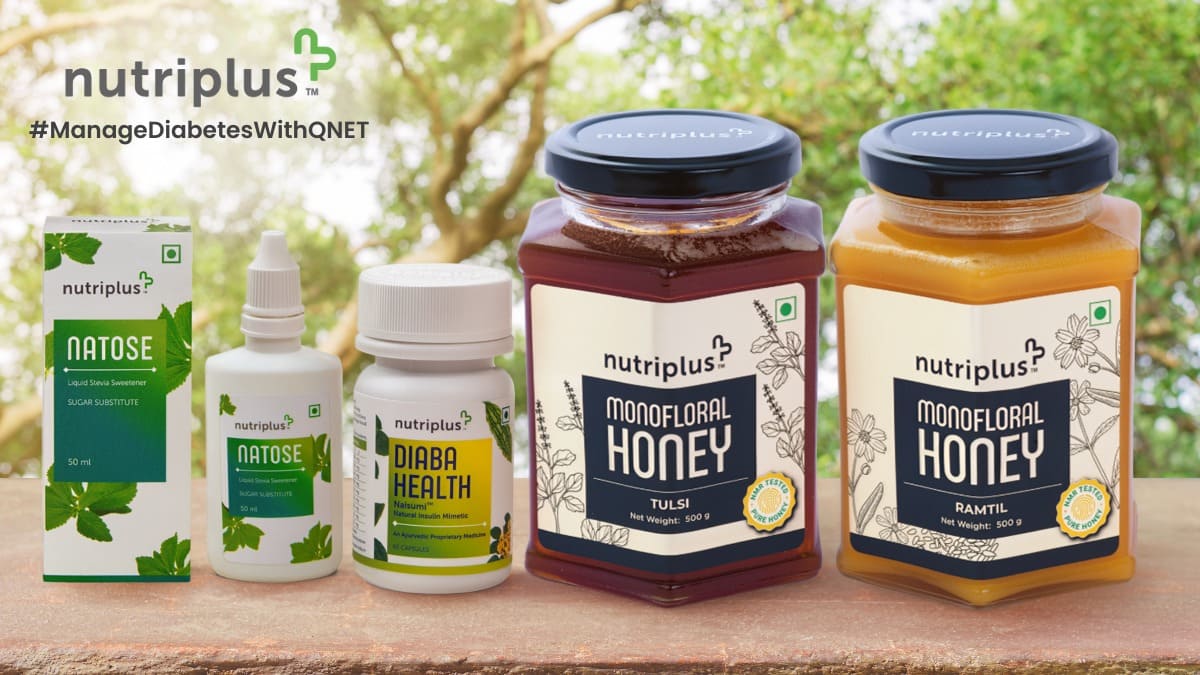
Through the theme #ManageDiabetesWithQNET, the campaign breaks common myths surrounding diabetic diets and emphasizes moderation, balance, and natural wellness. The 30-second digital film showcases QNET’s Nutriplus Monofloral Honey, Nutriplus Natose Stevia, and Nutriplus DiabaHealth - products developed to help consumers make smart, sustainable health choices without compromising on taste or vitality.

The ‘Sweet Without Guilt?’ campaign adopts a relatable “Myth vs Fact” storytelling approach, reflecting QNET’s focus on making wellness communication more accessible. With clean, natural visuals and an empowering tone, the campaign underlines that diabetes management is not about restriction, but about making conscious daily swaps.

Commenting on the initiative, Nischal C, Head of Corporate Communications, QNET India region said,  “Our mission is to empower individuals to take control of their wellness journey through awareness and choice. This World Diabetes Day, we’re encouraging consumers to explore natural, evidence-backed alternatives that make everyday living both healthier and happier.”


Tags : #

About the Author


Team Medicircle

Related Stories

Loading Please wait...

-Advertisements-


Trending Now

Smart Operating Rooms: The Future of Hospital OTNovember 21, 2026
Smartphone Diagnostics: Phones as Medical Screening ToolsNovember 21, 2026
AI-Enabled Endoscopy: Can It Detect More Than the Human Eye?November 20, 2026
Hospital-at-Home in India: Can Technology Deliver Safe Care?November 20, 2026
Digital Identity Fraud in Healthcare: What India Must KnowNovember 18, 2026
Wearables in Clinical Care: When Should Doctors Trust the Data?November 18, 2026
Cybersecurity for Medical Startups: What Founders MissNovember 18, 2026
Remote Patient Monitoring: The Next Phase of Virtual CareNovember 18, 2026
Digital Health Wallets: Future of Medical Records in IndiaNovember 17, 2026
How Hospitals Can Prepare for a Transparent Healthcare MarketNovember 17, 2026
Childhood Nutrition: Understanding Micronutrient Gaps Beyond CaloriesNovember 16, 2026
Anaemia in Adolescent Girls: Connecting Prevention, Testing and Nutrition SupportNovember 16, 2026
Health Information Exchanges in India: Are Medical Records Finally Going Portable?November 16, 2026
Hospital Accreditation in 2026: What Is Changing Beyond the Checklist?November 16, 2026
Digital Insurance Platforms and India's Health Coverage FutureNovember 14, 2026
ABDM 2.0: India's Digital Health Ecosystem FutureNovember 14, 2026
Vaccine Cold-Chain Management: Protecting Immunisation Quality From Storage to DeliveryNovember 14, 2026
Foodborne Illness Surveillance: How Public Health Systems Track RisksNovember 14, 2026
Interoperability in Indian Healthcare: Why Patient Data Still StrugglesNovember 13, 2026