 Saturday, November 21, 2026
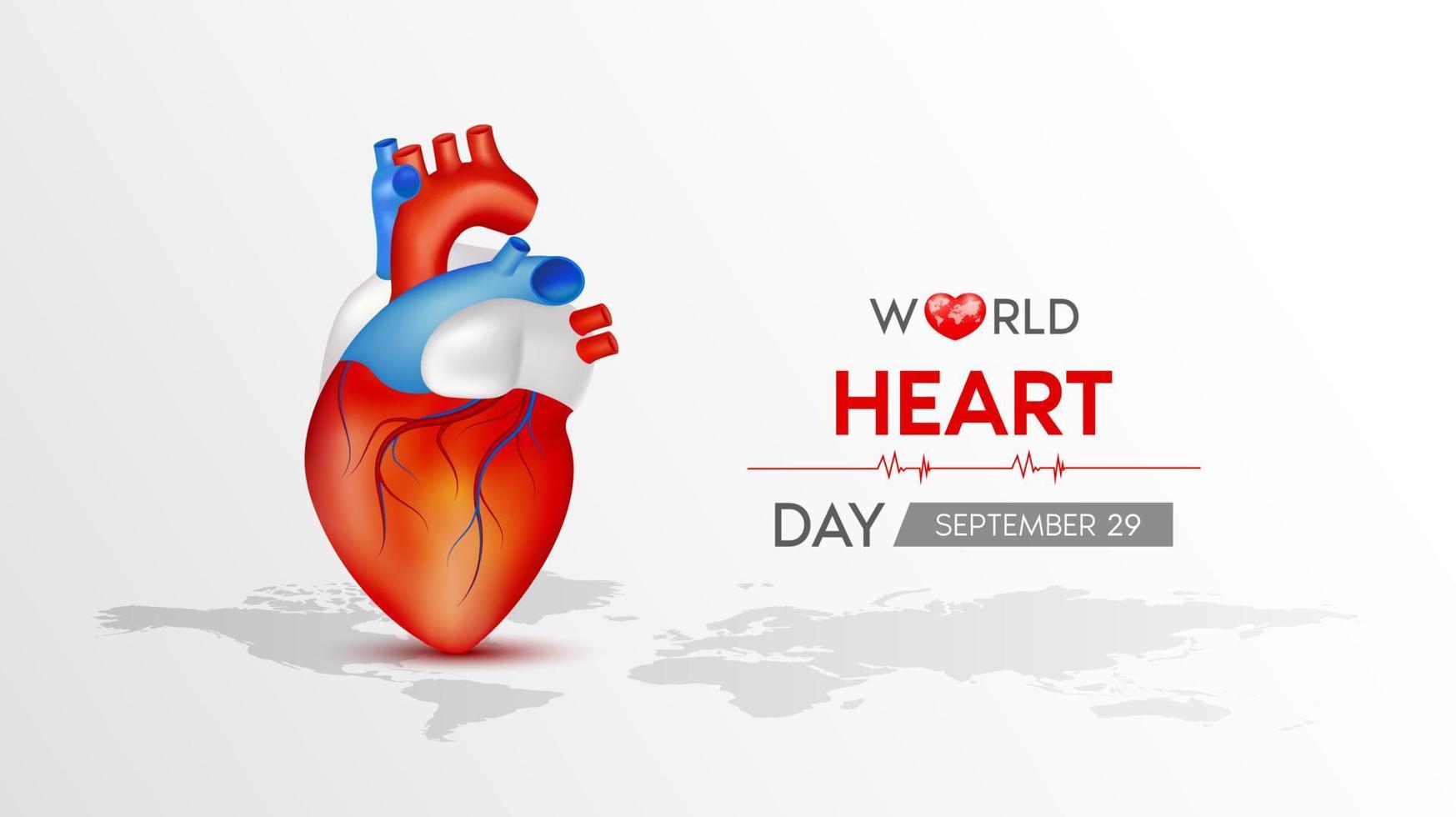
 Nearly one in four deaths in India are caused by obesity, smoking, hypertension, sedentary habits and cardiovascular diseases (CVDs); they contribute to an alarming increase in heart-related conditions.





Chennai, 26 September 2025: On World Heart Day, Rela Hospital is conducting a Free Heart Health Camp on 28 September 2025. The initiative aims to raise awareness on cardiovascular health, promote early diagnosis, and encourage timely lifestyle interventions.
The free check-up includes blood pressure measurement, random blood sugar, height and weight assessment, ECG, ECHO, and cardiologist consultation. The camp is open to the public with prior registration. To register, patients can contact: +91 93846 81770
Cardiovascular diseases (CVDs) continue to rise rapidly in India, largely driven by changing diets, stress, lack of physical activity, and metabolic disorders. Symptoms such as palpitations, shortness of breath, dizziness, chest or upper body pain, heartburn, and swelling in the legs should not be ignored as they may indicate possible heart conditions.
Speaking on the occasion, Dr. A. Ashok Kumar, Group Director and Head Department of Cardiology, Rela Hospital Chennai said, “Our initiative with World Heart Day is to encourage heart health and prevent heart disease. We want to establish a free camp to help facilitate individuals taking charge of their heart health by detecting risk factors early and accessing appropriate care.”
Cardiovascular diseases (CVDs) are responsible for nearly 27% of all deaths in India, affecting 11% of the adult population. Among those aged 45 and above, 47% suffer from hypertension, 12% from diabetes, and 30% lead physically inactive lives, factors that significantly contribute to the country’s leading cause of mortality. Lifestyle choices, genetic factors, environmental conditions, stress, and mental health all play a critical role in increasing cardiovascular risk. Adults over 40 are particularly susceptible, highlighting the pressing need for proactive screening and preventive interventions.





-23-300x250.png)




















