 Thursday, October 08, 2026
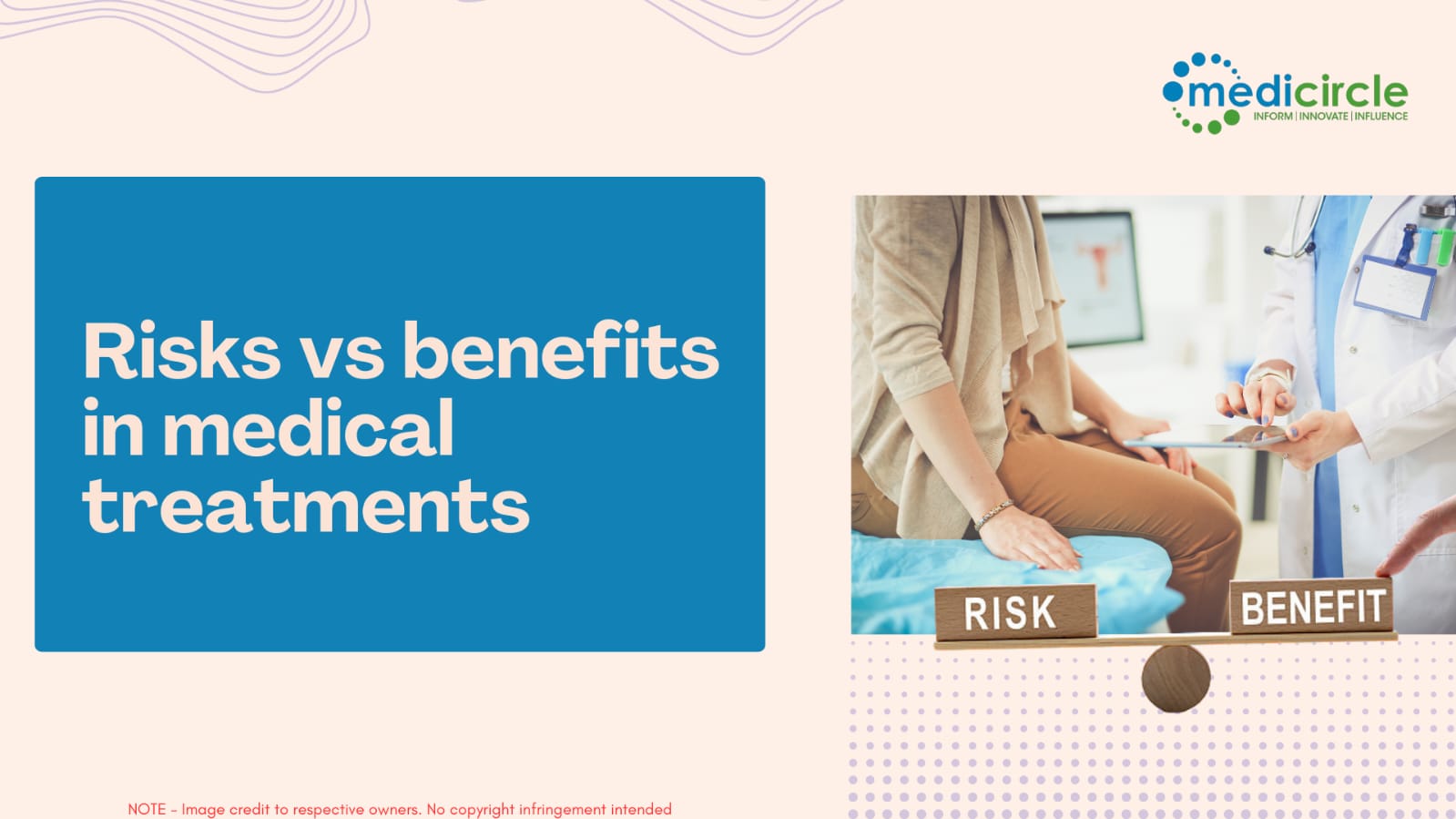
 Understanding the balance of medical risks and benefits is essential for informed health choices. By weighing potential gains against personal lifestyle needs, patients can navigate treatments with clarity and confidence.




Seeking medical care is often driven by a single goal of returning to a normal and healthy life. Whether you are visiting a local clinic for a persistent cough or consulting a specialist for a long term condition, the underlying hope is for a quick and effective recovery. However, medicine is rarely a one size fits all solution. Every intervention, from a simple over the counter pill to a complex surgical procedure, carries a unique set of pros and cons.
In the Indian context, where healthcare decisions are frequently a family affair and deeply tied to our emotional and financial well-being, learning how to weigh these factors is crucial. Being an informed patient does not mean having a medical degree. It means understanding how a specific treatment fits into your life.
Understanding Medical Trade-offs:
At its core, medical decision making is about comparison. The benefit is the desired outcome, which could be a reduction in pain, the prevention of a future heart attack, or the ability to walk without assistance. The risk, conversely, is the possibility of an unintended consequence. These can range from minor inconveniences, like a dry mouth or mild nausea, to more significant health complications.
It is a common misconception that good treatments have zero risks. In reality, medical science is about managing probabilities. Recognizing that every choice involves a trade-off is the first step toward taking control of your health journey.
Evaluating Net Gains:
Doctors do not recommend treatments at random because they base their suggestions on clinical evidence and your specific health data. The key is to look at the net gain. For example, a medication used to manage severe hypertension might have side effects that affect your energy levels. However, when compared to the high risk of a stroke or heart failure if the blood pressure remains unchecked, the benefit of the medication becomes the much safer bet.
In India’s diverse medical landscape, where many people combine conventional medicine with traditional practices, this evaluation becomes even more important. Every choice, including lifestyle modifications or herbal supplements, should be viewed through the same lens. You must ask if the potential for improvement significantly outweighs the possibility of harm.
Considering Personal Lifestyle:
A risk benefit ratio is not a fixed number because it changes depending on who you are. Your age, your profession, and your daily responsibilities play a massive role in what constitutes an acceptable risk.
Consider a treatment that might cause temporary blurred vision. For an elderly person who stays mostly at home, this might be a minor hurdle. For a young delivery partner or a bus driver, that same side effect is a major risk to their safety and livelihood. This is why being open with your doctor about your daily life is essential. When a physician understands your priorities, such as a fast recovery to get back to work or avoiding long term dependency on a drug, they can suggest a path that respects your personal circumstances.
Evaluating Modern Surgery:
Surgery is perhaps where the balance of risk and benefit is most visible. The idea of going under the knife can be intimidating due to concerns about anesthesia, hospital acquired infections, or long healing periods.
However, medical technology has transformed the surgical experience. In modern Indian hospitals, robotic assisted surgeries and laparoscopic procedures have turned what used to be major operations into day care or short stay events. These innovations are designed specifically to tilt the scales in the favor of the patient by reducing physical trauma and speeding up the return to normal life. When discussing surgery, ask about these advanced options to see if they offer a safer route for your specific needs.
Managing Chronic Illness”
When dealing with conditions like diabetes, asthma, or high cholesterol, the decision making process is not a one-time event. It is a lifelong strategy. Here, the risk is often the danger of doing nothing.
Leaving a chronic condition unmanaged leads to silent damage that accumulates over years and eventually affects vital organs. In these scenarios, the benefit of consistent treatment is the preservation of your future health. Success in managing chronic illness comes from a partnership. You are not just a passive recipient of care. You are an active manager who works with your doctor to tweak your plan as your body and lifestyle change over time.
Effective Clinical Conversations:
The best way to find clarity is through direct communication. Many patients feel hesitant to bother their doctor with questions, but a good healthcare provider values an engaged patient. If you are feeling uncertain, try focusing your conversation on these four points:
- Expected Results: What is the realistic best case scenario if I start this treatment?
- Common Side Effects: What are the most likely issues I might face and how can we manage them?
- The Wait and See Approach: What are the risks if we choose not to do this treatment right now?
- Interactions: How will this new plan affect the medications or supplements I am already taking?
Choosing Clarity:
Healthcare should be a source of hope rather than anxiety. By understanding the balance of risks and benefits, you move away from making decisions based on fear or hearsay and start making them based on facts and personal values.
As the healthcare system in India becomes more transparent and technologically advanced, patients have more resources than ever to stay informed. Your health is a partnership between medical expertise and your personal goals. By weighing your options carefully and asking the right questions, you ensure that every step you take is a move toward a healthier and more confident future.






.jpeg)








.jpg)
.jpg)
.jpg)
.jpg)
.jpg)
.jpg)


.jpg)
.jpg)
.jpg)