Tuesday, October 27, 2026
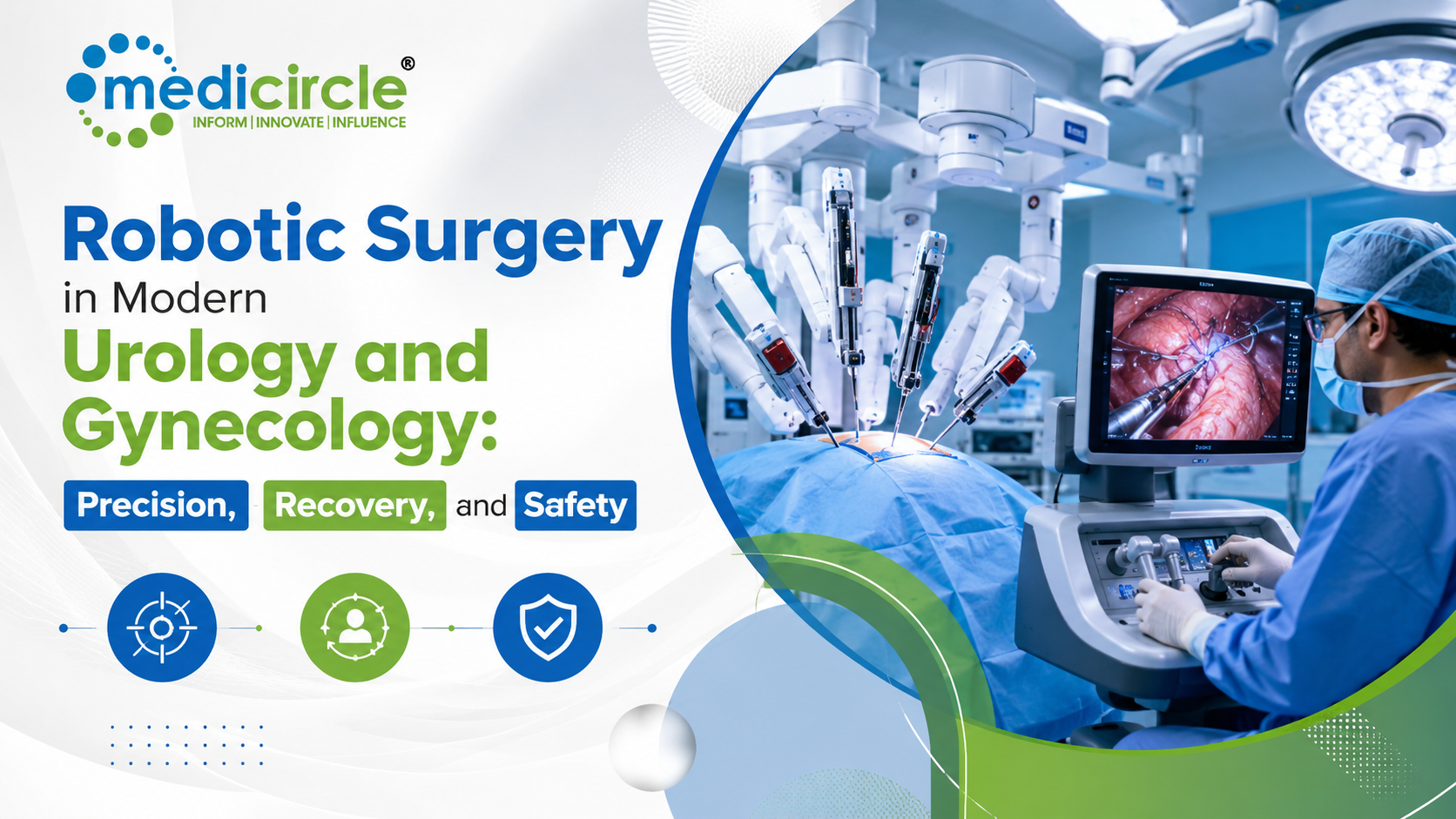
 Robotic-Assisted Surgery (RAS) has transformed modern pelvic surgery by replacing highly invasive open procedures with precision-driven, minimally invasive techniques. Advanced robotic systems enhance surgical accuracy, improve patient outcomes, and support faster recovery across oncology and reconstructive specialties.




The landscape of surgical medicine has fundamentally evolved. Over the past several decades, the choice for complex pelvic interventions was restricted to highly invasive open laparotomies or conventional rigid laparoscopy. Today, precision oncology and reconstructive fields are built around Robotic-Assisted Surgery (RAS).
By utilizing advanced systems—such as the da Vinci SP/Xi, CMR Versius, and Senhance Surgical System—modern urologists and gynecologists can navigate deep, narrow pelvic fields with unmatched clarity. Urology and gynecology represent the highest per-system usage rates globally, accounting for over 40% of all robotic procedures.
Rather than relying on broad, invasive abdominal incisions, modern pelvic operations use micro-machined, wristed instruments inserted through small keyhole ports. This structural shift protects delicate neurovascular networks, minimizes blood loss, and significantly reduces post-operative hospital recovery times.
1. The Surgical Continuum: Mapping Patient Trajectories
To understand how robotic assistance optimizes patient care, it is vital to trace the clinical journey from initial entry to full recovery. The flowchart below illustrates the standard operational pathway for a patient undergoing a robotic pelvic intervention:
[ CLINICAL ENTRY & MOLECULAR PROFILING ]
│
▼
[ 3D HIGH-DEFINITION SURGICAL MATRIX ]
(10x Magnification, Endowrist Micro-Dissection)
│
┌────────────────┴────────────────┐
▼ ▼
[ RETZIUS-SPARING UROLOGY ] [ MINIMALLY INVASIVE GYNECOLOGY ]
• Radical Prostatectomy • Robotic Total Hysterectomy
• Partial Nephrectomy • Advanced Myomectomy / Endometriosis
│ │
└────────────────┬────────────────┘
│
▼
[ LOW-TRAUMA POST-OPERATIVE DISCHARGE ]
(Mean Hospital Stay: 1.08 - 2 Days)
│
▼
[ ACCELERATED 4-WEEK RECOVERY ZONE ]
(90%+ Continent; Rapid Tissue Healing)
2. Technical Mechanics: Engineering Surgical Precision
The extreme accuracy of robotic pelvic surgery is driven by specific engineering features designed to overcome the physical limits of standard laparoscopy:
- 10× Magnified 3D Stereoscopic Vision: Traditional laparoscopy provides a flat, two-dimensional view on a monitor screen. Robotic consoles deliver an immersive, high-definition 3D visualization that magnifies delicate tissues up to 10 times. This depth perception allows surgeons to identify thin fascial planes, distinguish tumor margins, and isolate microscopic blood vessels cleanly.
- Endowrist Instrument Articulation: Human fingers and conventional laparoscopic tools lack the ability to bend or pivot at extreme angles inside narrow anatomical spaces. Robotic instruments feature internal wristed joints that provide 7 degrees of freedom and a full 540^\circ rotation, allowing for smooth, highly accurate suturing and tissue dissection behind complex organs.
- Automated Tremor Filtration and Motion Scaling: The robotic platform monitors the surgeon’s hand movements at the console in real time, completely filtering out natural physiological micro-tremors. Additionally, motion scaling settings can translate a deliberate 5-centimeter hand gesture into a precise, 5-millimeter micro-motion inside the patient's body cavity.
3. Clinical Outcomes: Urology vs. Gynecology Profiles
Robotic systems deliver excellent, documented clinical improvements across both major pelvic specialties:
Advanced Urological Applications (e.g., Radical Prostatectomy)The primary challenge of a radical prostatectomy is removing the cancerous gland completely while preserving the fragile neurovascular bundles responsible for urinary continence and erectile function.
Utilizing an advanced Retzius-sparing robotic approach, surgeons can access the prostate from behind, leaving the bladder's supportive anterior connective tissues completely untouched. Multi-center clinical audits indicate that up to 90% of men achieve immediate urinary continence upon catheter removal, with overall erectile recovery timelines accelerating compared to conventional open surgery methods.
Progressive Gynecological Interventions (e.g., Total Hysterectomy & Myomectomy)In complex gynecological operations—such as removing deep uterine fibroids (myomectomy) or treating severe endometriosis—surgeons must operate around dense scarring and highly vascular tissues.
Recent multi-year institutional audits evaluating modular systems like the CMR Versius show that blood loss is maintained beneath 100 mL in 78% of all robotic cases. Furthermore, the minimal trauma to the vaginal cuff and surrounding pelvic floor tissues ensures that over 91% of patients are safely discharged home within 24 hours of surgery.
Comparative Grid: Open Surgery vs. Next-Gen Robotic Systems
The matrix below contrasts the physiological indicators and performance metrics of historical open laparotomies against modern, precision-driven robotic platforms.
|
Operational Performance Vector |
Conventional Open Pelvic Laparotomy |
Next-Gen Robotic-Assisted Surgery |
Systemic Patient Safety Advantage |
|---|---|---|---|
|
Average Physical Incision Size |
Single, large abdominal cut (15 to 25 cm). |
4 to 5 small keyhole ports (5 to 12 mm). |
Reduces surgical wound trauma and limits cosmetic scarring. |
|
Intraoperative Blood Loss Logs |
Frequently exceeds 500 to 800 mL; high transfusion risk. |
Maintained under 100 to 200 mL in standard cases. |
Eliminates the need for donor blood transfusions in 95%+ of cases. |
|
Mean Post-Op Hospital Stay |
4 to 7 days under continuous acute monitoring. |
1.08 to 2 days (Many home within 24 hours). |
Decreases risk of hospital-acquired infections. |
|
Typical Return to Desk Work |
4 to 6 weeks off work due to core muscle healing. |
10 to 14 days to resume light, desk-based tasks. |
Minimizes economic downtime and loss of personal wages. |
|
Neurovascular Muscle Sparing |
Limited visibility; higher risk of localized nerve damage. |
10x magnified 3D view with micro-motion tools. |
Maximizes preservation of urinary and reproductive function. |
4. Operational Implementation Action Plan
To successfully integrate robotic platforms into active hospital infrastructure, surgical chairs and medical directors should execute a structured, multi-phase operational protocol:
- Mandate Comprehensive, Simulator-Led Surgeon Credentialing
Phase 1
Dismantle unguided robotic transitions. Ensure all operating staff complete multi-hour virtual simulation blocks, master emergency docking procedures, and log observed clinical cases before achieving full independent system operational approval. - Deploy Standardized Cross-Departmental Safety Checklists
Phase 2
Protect the operating theater from avoidable technical friction. Establish clear, automated pre-flight checks that verify arm clearance angles, inspect instrument insulation integrity, and run software self-tests prior to initiating the first incision. - Integrate Centralized Multi-Center Registry Audits for Analytics
Phase 3
Ditch uncoordinated paper charting logs. Link your hospital's robotic case data natively with secure clinical registries, allowing your medical board to continuously monitor 30-day readmission metrics, track complication rates, and optimize performance.
Actionable Strategy: Your Institutional Governance Roadmap
- Link Surgical Tracking with the Universal ABHA Platform Natively: Ensure your hospital informatics system logs robotic case types cleanly through the Ayushman Bharat Digital Mission (ABDM) grid. Storing treatment histories natively under a patient's digital health ID preserves their medical timeline, prevents fragmented charts, and simplifies multi-center oncology tracking.
- Establish Routine Screening for Post-Operative Pelvic Function: Maximize the value of your precision data by incorporating standardized quality-of-life evaluations. Mandate 3-month, 6-month, and 12-month follow-up reviews tracking urinary control scores and sexual health restoration metrics to verify long-term surgical success.
- Conduct Semi-Annual Instrument and Consumable Cost Audits: Keep a continuous, objective eye on operational expenditures. Convene your surgical committee twice a year to review instrument recycling lifecycles, monitor tool wear indicators, and balance procurement budgets against international healthcare efficiency standards.
Frequently Asked Questions (FAQs)
Q1. Is robotic surgery safe, and who actually controls the robotic arms?Yes, it is highly safe. The robot cannot make independent decisions, move on its own, or perform cuts autonomously. Every micro-motion, instrument flex, and laser energy discharge is directed in real time by an expert surgeon seated at the console interface.
Q2. Why do robotic operations significantly lower intraoperative blood loss?The combination of high-definition 3D magnification and micro-wristed tools allows surgeons to spot tiny blood vessels early and seal them precisely using bipolar energy before making cuts, keeping average blood loss well below traditional open surgical markers.
Q3. What is a Retzius-sparing prostatectomy, and how does it speed up recovery?A Retzius-sparing prostatectomy is an advanced surgical technique where the clinician accesses the prostate gland from a posterior path. This approach avoids cutting the vital ligaments and muscle structures in front of the bladder, allowing up to 90% of patients to regain immediate urinary control.
Q4. How long do robotic instruments last before requiring replacement?Modern robotic surgical platforms use specialized smart instruments equipped with internal microchips that track tool wear. Most instruments are certified for 10 to 15 distinct clinical uses before the software requires replacement to ensure absolute patient safety.
Q5. What exactly does "motion scaling" mean on a robotic console?Motion scaling is a safety setting that translates a surgeon's larger hand movements at the console into micro-motions inside the patient. For example, a 3-to-1 scaling ratio converts a 30-millimeter hand gesture into a precise, 10-millimeter instrument adjustment, maximizing accuracy around fragile nerves.
Q6. Can a patient with previous abdominal surgeries undergo robotic pelvic operations?Yes, but it requires careful planning. Previous open surgeries can leave behind dense internal scarring (adhesions). A skilled surgeon can use the magnified 3D view of the robot to slowly clear away these scar tissues safely, though it may extend the early setup phases of the operation.
Q7. Why do robotic gynecological cases report shorter hospital stays than open procedures?Because robotic surgeries use tiny keyhole ports instead of cutting through the core abdominal muscle walls, patients experience dramatically less tissue trauma, minimal post-operative pain, and regular bowel function returns, allowing over 90% of patients to go home within 24 hours.
Q8. What parameters are continuously monitored on a 360-degree robotic quality scorecard?A holistic performance scorecard monitors metrics across multiple clinical layers, cross-referencing average skin-to-skin operative times, intraoperative conversion-to-open rates, 30-day emergency readmission counts, margin-negative oncological scores, and long-term pelvic function scores.
Q9. How long does it typically take to return to strenuous exercise after a robotic operation?While most professionals return to light walking within days and desk-based careers within 10 to 14 days, returning to heavy weightlifting or high-impact athletics requires waiting 4 to 6 weeks to ensure deep muscle structures have fully healed.
Q10. What steps should an operating team take if a robotic platform flags an unexpected system error?The team must follow a strict safety protocol: immediately pause all movements, maintain the instruments in a stable position, check the console diagnostic screen for error codes, and, if necessary, safely undock the robotic arms to transition the patient smoothly to standard laparoscopic or open backup methods.





-23-300x250.png)

.jpeg)






.jpg)
.jpg)
.jpg)
.jpg)
.jpg)
.jpg)
.jpg)
.jpg)
.jpg)