Tuesday, October 06, 2026
.jpeg)
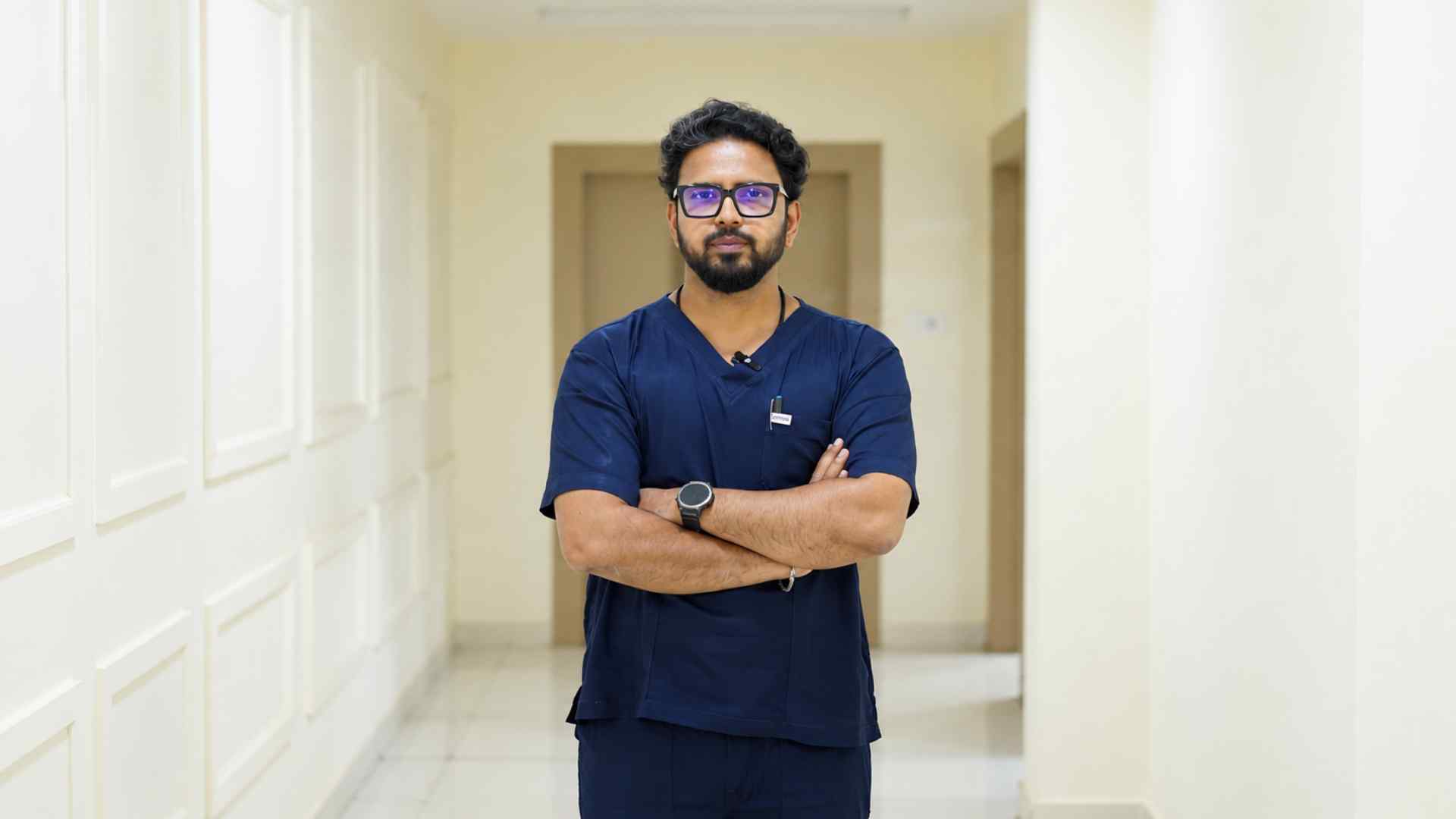
 Interviews help doctors build credibility, connect with patients and present their human side. By sharing expertise clearly, they strengthen trust, improve communication and enhance their professional standing in healthcare.




In the healthcare sector, a patient's confidence is the ultimate measure of a doctor's success. A strong reputation goes far beyond academic credentials. While a medical degree is essential, the trust that guides a patient to select a particular doctor is cultivated slowly through genuine rapport and clear communication. In our connected world, a surprisingly straightforward method, the interview, has become a powerful tool for forging this vital connection.
This refers not to a formal assessment, but to a doctor engaging in a discussion, offering insights and showing the human side of their practice. For initiatives like Medicircle, which aim to foster a trustworthy health information network, these dialogues are fundamental. They change a doctor's digital presence from a mere listing to that of a knowledgeable guide.
Connecting beyond consultation:
Today, a health inquiry typically begins with an online search. People look for information and crucially for clarity. The internet often presents an overwhelming amount of contradictory advice, which can lead to confusion and concern.
By taking part in an interview, a doctor enters this arena directly. They can tackle frequent questions, break down complicated medical topics into understandable terms and address common misconceptions. Someone managing blood pressure might discover an interview where a specialist talks plainly about lifestyle adjustments. A new parent anxious about vaccinations could find comfort in a pediatrician's clear explanation of the process.
This generous sharing of expertise serves a profound purpose. It shows the doctor as a community minded expert, dedicated to wider education, not just clinic based treatment. It highlights their role as an educator, a key part of the healing profession.
Beyond the profession:
A standard online profile displays credentials, specialties and experience. This information is necessary, yet it can feel impersonal. A well conducted interview introduces character and depth. It lets a doctor’s individual style, their core philosophy about care and their empathy become apparent.
Can the doctor make a complex topic easy to grasp? What are their views on holistic health? Do they come across as approachable and attentive? An interview provides clues to these questions ahead of a first appointment. The cadence of their speech, their language and their ability to explain things respectfully, these nuances foster a sense of familiarity. People seek more than a qualified specialist; they want a collaborator for their health with whom they feel at ease.
Shaping identity:
Medicine is a broad field. A general physician may be highly skilled, but how does someone find the expert focused on their specific issue? An interview offers a stage to highlight a particular area of knowledge.
For example, a gastroenterologist might elaborate on managing gut health through diet. An orthopedic surgeon could explain new, less invasive procedures for knee pain. By concentrating on specialized subjects, a doctor shows depth of understanding and a dedication to their niche. This helps them distinguish themselves and connect with patients who need their specific skillset, transforming them from a general option into the obvious choice.
A collaborative effort:
When a platform like Medicircle coordinates these interviews, it benefits everyone involved. It helps build a network of professionals who are not just names on a page, but voices that can be heard and understood. It creates a valuable collection of dependable knowledge for the public.
The objective is to nurture an environment where accessible information builds awareness and awareness strengthens trust. When a doctor agrees to an interview, they are opening a door. They are communicating their identity, their expertise and their readiness to assist.
The enduring value:
Ultimately, a doctor's stature rests on a combination of skill, empathy and dialogue. Their clinical work will always be primary, but the resonance of their voice online carries significant weight. It helps make medicine more approachable, dissolves fears and establishes a layer of confidence that makes the first visit to the clinic much less daunting.
It reinforces a fundamental truth: that beneath all the advances and jargon, healthcare is profoundly human. It often begins with a simple, honest conversation.






.jpeg)
.jpg)
.jpg)
.jpg)
.jpg)
.jpg)
.jpg)


.jpg)
.jpg)
.jpg)
.jpg)
.jpg)
.jpg)