 Saturday, November 21, 2026
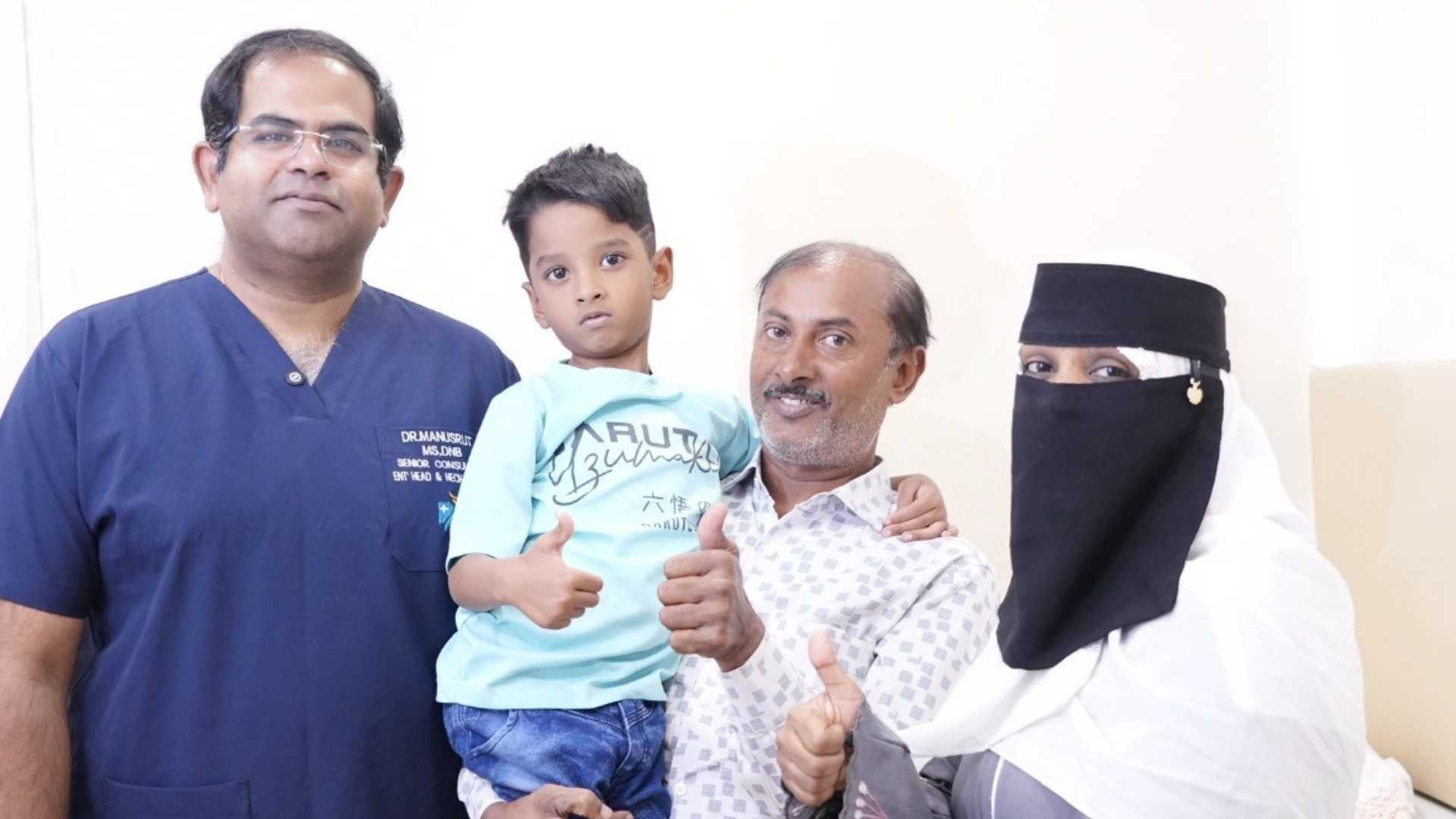
 Doctors at Apollo Hospitals Jubilee Hills successfully treated a six-year-old child suffering from recurrent swelling and pain below the jaw caused by a salivary gland stone using advanced minimally invasive sialendoscopy.





Hyderabad, May 12: Doctors at Apollo Hospitals Jubilee Hills successfully treated a six-year-old child suffering from recurrent swelling and pain below the jaw caused by a salivary gland stone using advanced minimally invasive sialendoscopy.
According to Dr. Manusrut, the child had repeated episodes of swelling in the submandibular gland region, particularly during meals, due to blockage of the salivary duct by a stone. Using a 1.3 mm miniature endoscope inserted through the natural duct opening, doctors removed the stone without any external incision or major surgery.
The gland was preserved completely, enabling quick recovery with minimal discomfort and no visible scar, the surgeon said.
Dr. Manusrut described sialendoscopy as a significant advancement in the treatment of salivary gland disorders. The procedure helps diagnose and treat conditions such as salivary stones, ductal narrowing, recurrent gland infections, autoimmune-related salivary disorders, post-radioiodine therapy complications and juvenile recurrent parotitis.
He said patients with salivary duct obstruction often experience recurrent swelling near the jaw, pain while eating, dry mouth and repeated infections. Earlier, severe cases frequently required open surgery or removal of the gland, but sialendoscopy now offers a scar-free, gland-preserving alternative with faster recovery and shorter hospital stay.
Tejasvi Veerepalli said the successful procedure underlines the growing importance of minimally invasive salivary gland endoscopy services and the need for greater awareness and timely referrals for such conditions.





-23-300x250.png)




















