 Thursday, October 08, 2026
 ShardaCare-Healthcity Launches North India's Largest Institute of Bone Marrow Transplant: Bringing curative hope for patients with Serious Blood Disorders.




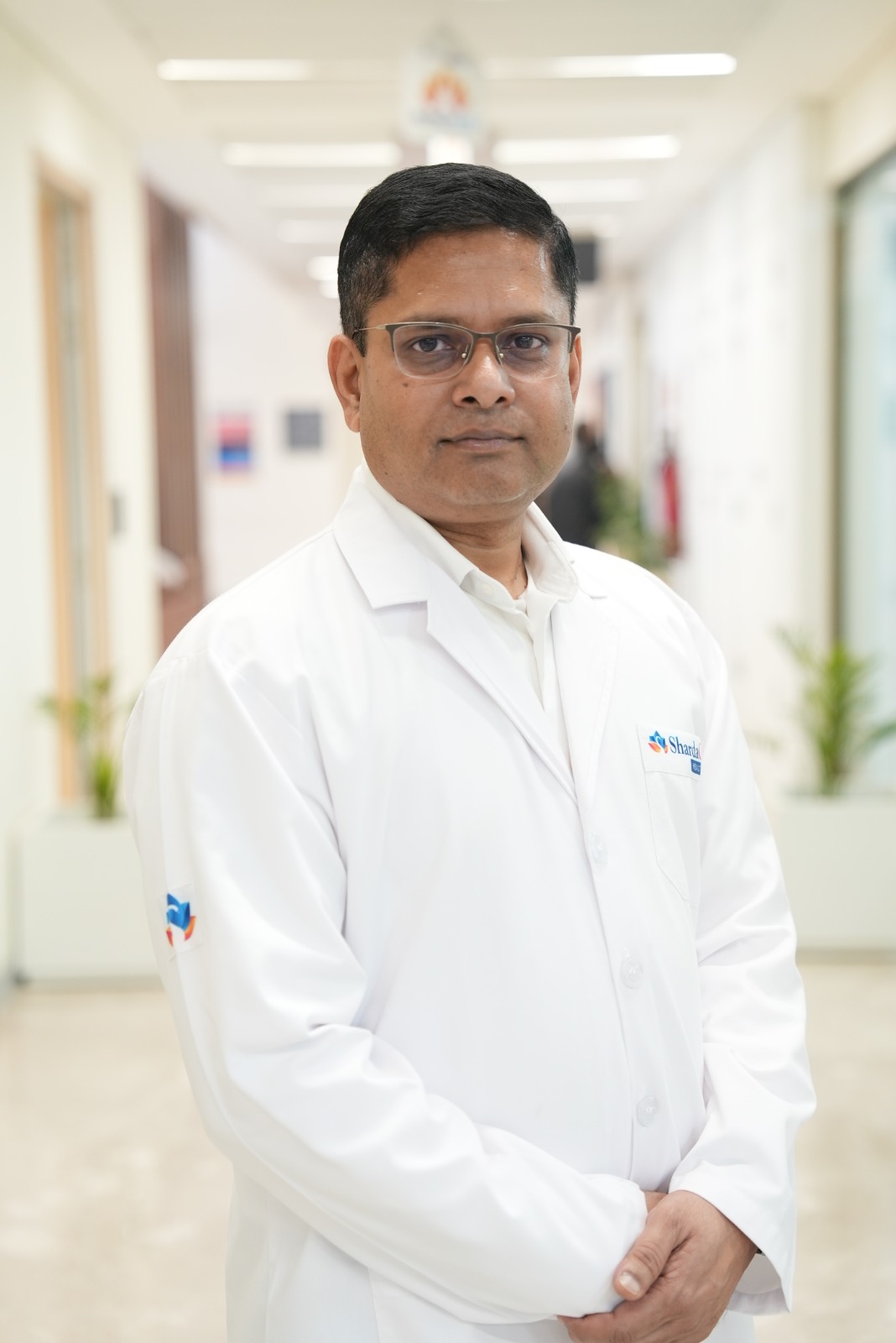
Greater Noida, 28th January 2026: Reinforcing its commitment for making advanced healthcare accessible to all communities, ShardaCare-Healthcity, the largest super speciality hospital in Greater Noida, has launched The Institute of Bone Marrow Transplant (BMT) aimed at treating complex blood disorders. The Institute is further strengthened with the joining of Dr. Pawan Kumar Singh, a leading Haemato-Oncologist and Bone Marrow Transplant Specialist in North India, as Vice Chairman, Department of Haemato-Oncology & BMT, ShardaCare-Healthcity. He will spearhead the clinical and operational development of the Institute, supported by Dr. Isha, Associate Consultant, Department of Haemato-Oncology & BMT, ShardaCare-Healthcity to treat a wide range of blood disorders such as leukaemia, lymphoma, multiple myeloma, aplastic anaemia, bone marrow failure syndromes, thalassemia and sickle cell disease, along with high-risk and complex transplant cases.
The Bone Marrow Transplant (BMT) facility at ShardaCare–Healthcity will offer both paediatric and adult transplants, including matched sibling, matched unrelated donor and haploidentical (half-match) transplants. The facility will also offer autologous BMT for autoimmune diseases, particularly multiple sclerosis, supported by high-dose and induction therapies, targeted and immunotherapies, advanced graft manipulation, T-cell-depleted haploidentical transplants and CAR-T cell therapy.
India is facing a silent health crisis driven by the rising burden of inherited blood disorders, affecting both children and adults. While a study found that more than one in four children aged 0 to 12 suspected of having a blood disorder were diagnosed with inherited haemoglobin diseases —over half of them below the age of three. [2] —Many adults continue to live undiagnosed or with long-term complications due to delayed detection. Across age groups, limited awareness, late diagnosis and restricted access to specialised treatments such as bone marrow transplantation (BMT) or immunosuppressive therapy remain major barriers. However, advances in BMT and emerging gene therapies are transforming outcomes, offering curative possibilities, reducing lifelong dependence on transfusions, and improving quality of life for both paediatric and adult patients.
On the launch, Dr. Pawan Kumar Singh, Vice Chairman, Department of Haemato-Oncology & BMT, ShardaCare-Healthcity, said, “I am grateful for the opportunity to join ShardaCare–Healthcity and lead this important Institute. Blood disorders in India severely impact quality of life and survival across age groups, affecting not only children but also adults who are often diagnosed late. While bone marrow transplantation offers a potential cure, access remains limited due to challenges such as donor availability, high costs and delayed referrals. In adults, BMT is advisable at a younger age, as outcomes are significantly better when the procedure is undertaken early. The lack of proactive screening and timely intervention continues to burden thousands with preventable genetic conditions. Through this Institute, we aim to build a structured, ethical and patient-centric BMT ecosystem, while strengthening early diagnosis, donor matching and access to advanced therapies.”
Dr. Kousar Shah, Group CEO, ShardaCare-Healthcity, added, “The launch of the Institute of Bone Marrow Transplant is a significant milestone for ShardaCare-Healthcity. Our focus is on building a sustainable, high-quality transplant centre that can serve both paediatric and adult patients with blood disorders. By combining clinical expertise, global mentorship, and community-focused initiatives, we aim to bridge gaps in access and bring hope to families who need these lifesaving treatments the most.”






.jpeg)










.jpg)
.jpg)
.jpg)
.jpg)
.jpg)
.jpg)


.jpg)