 Tuesday, October 27, 2026
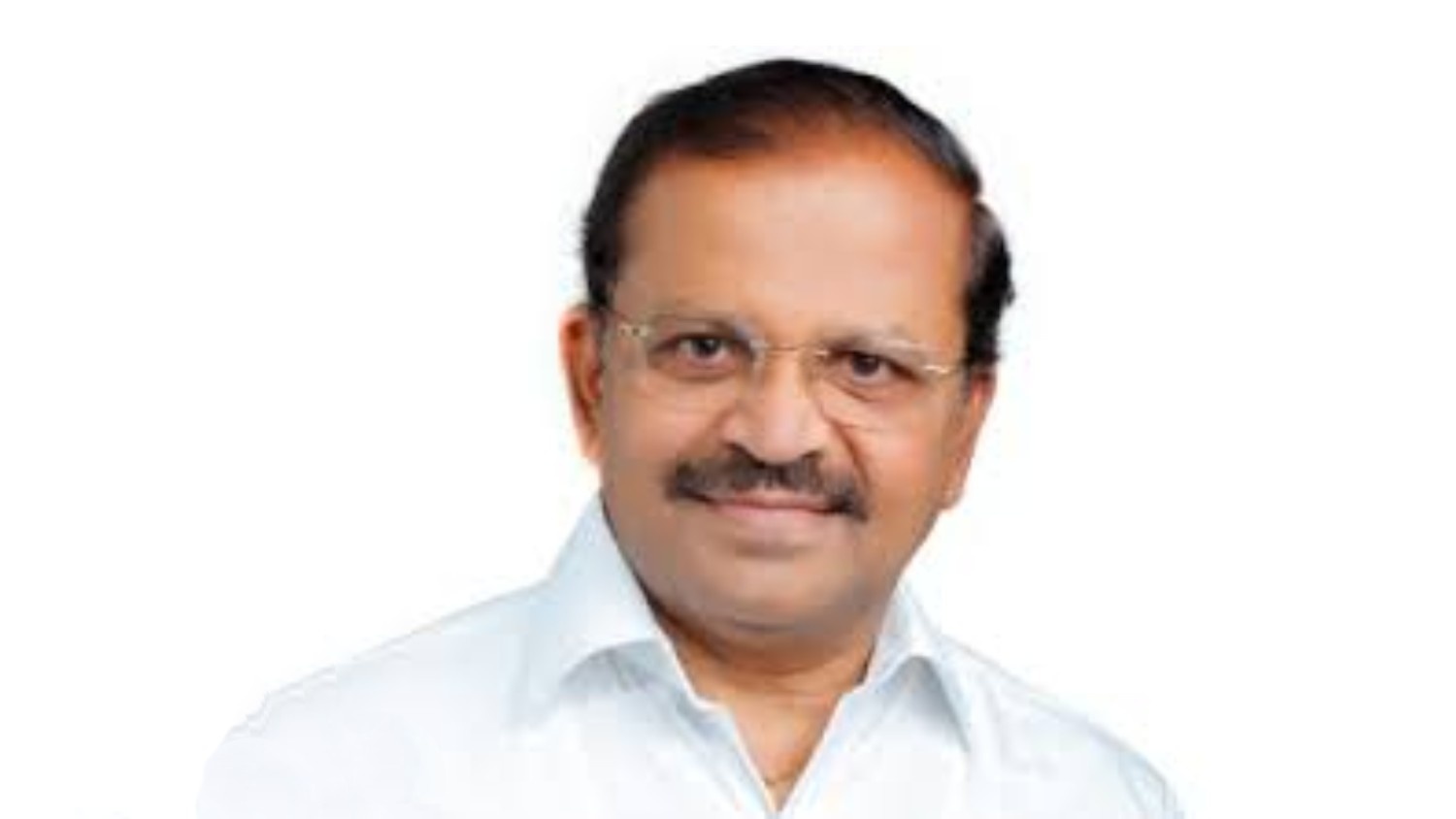
 Sightsavers India, in collaboration with Dr. Ramalinga Reddy Maxivision Super Speciality Eye Hospitals, is advancing efforts to improve access to quality eye care for underserved communities in Hyderabad through its Urban Eye Health Programme.




Hyderabad, April 20, 2026: Sightsavers India, in collaboration with Dr. Ramalinga Reddy Maxivision Super Speciality Eye Hospitals, is advancing efforts to improve access to quality eye care for underserved communities in Hyderabad through its Urban Eye Health Programme.
From April 2025 to March 2026, the partnership has focused on delivering essential eye care services in low-income neighbourhoods, particularly targeting migrant workers and families living in urban slums who often face barriers in accessing timely care.
During this period, services delivered through the Hyderabad Private Vision Centre included screening 5,276 individuals, providing 687 spectacles, and identifying 844 people with cataract for referral. At the Hyderabad Urban Primary Health Centre (UPHC) Vision Centre, 6,179 individuals were screened, 577 people were identified for cataract referral, and 370 individuals were screened for diabetic retinopathy.
Rapid urbanisation has contributed to the growth of densely populated settlements where access to healthcare remains uneven. Even where hospitals are geographically close, structural and socio-economic barriers often delay or prevent timely eye care.
In response, the partnership is working to strengthen access through a combination of Community Vision Centres and enhanced services at Urban Primary Health Centres (UPHCs). These efforts aim to bring eye care closer to communities while improving early detection and referral systems.
RN Mohanty, CEO, Sightsavers India, said, “Addressing avoidable vision impairment in urban settings requires collaborative efforts between development organisations, healthcare providers, and public health systems. Through our partnership with Dr. Ramalinga Reddy Maxivision Super Speciality Eye Hospitals and our engagement with Urban Primary Health Centres, we are supporting efforts to make eye care services more accessible at the community level. Initiatives like this demonstrate how coordinated action can help strengthen urban eye health services and ensure that people are able to access care closer to where they live.”
A spokesperson from Dr. Ramalinga Reddy Maxivision Super Speciality Eye Hospitals said, “Hospital-based care is only one part of the eye health ecosystem. Collaborations that link specialised medical services with community outreach and public health systems are essential for expanding access to care. Through this partnership, we are working together to ensure that more people can receive timely eye examinations and appropriate treatment.”
The programme follows a dual approach to strengthen service delivery. Community Vision Centres, staffed by trained optometrists and health workers, provide eye examinations, spectacles, and referrals. At the same time, Urban Primary Health Centres are being equipped with trained personnel and essential resources to integrate eye care into routine health services.
These facility-based services are supported by outreach camps in underserved neighbourhoods, along with community meetings, public announcements, and awareness materials that encourage regular eye check-ups. Together, these efforts are helping detect vision problems early and connect individuals with appropriate treatment.
Through this continued partnership, Sightsavers India and Dr. Ramalinga Reddy Maxivision Super Speciality Eye Hospitals are working to strengthen urban eye health systems and ensure that essential services reach those who need them most.





-23-300x250.png)

.jpeg)






.jpg)
.jpg)
.jpg)
.jpg)
.jpg)
.jpg)
.jpg)
.jpg)
.jpg)

