Friday, October 23, 2026
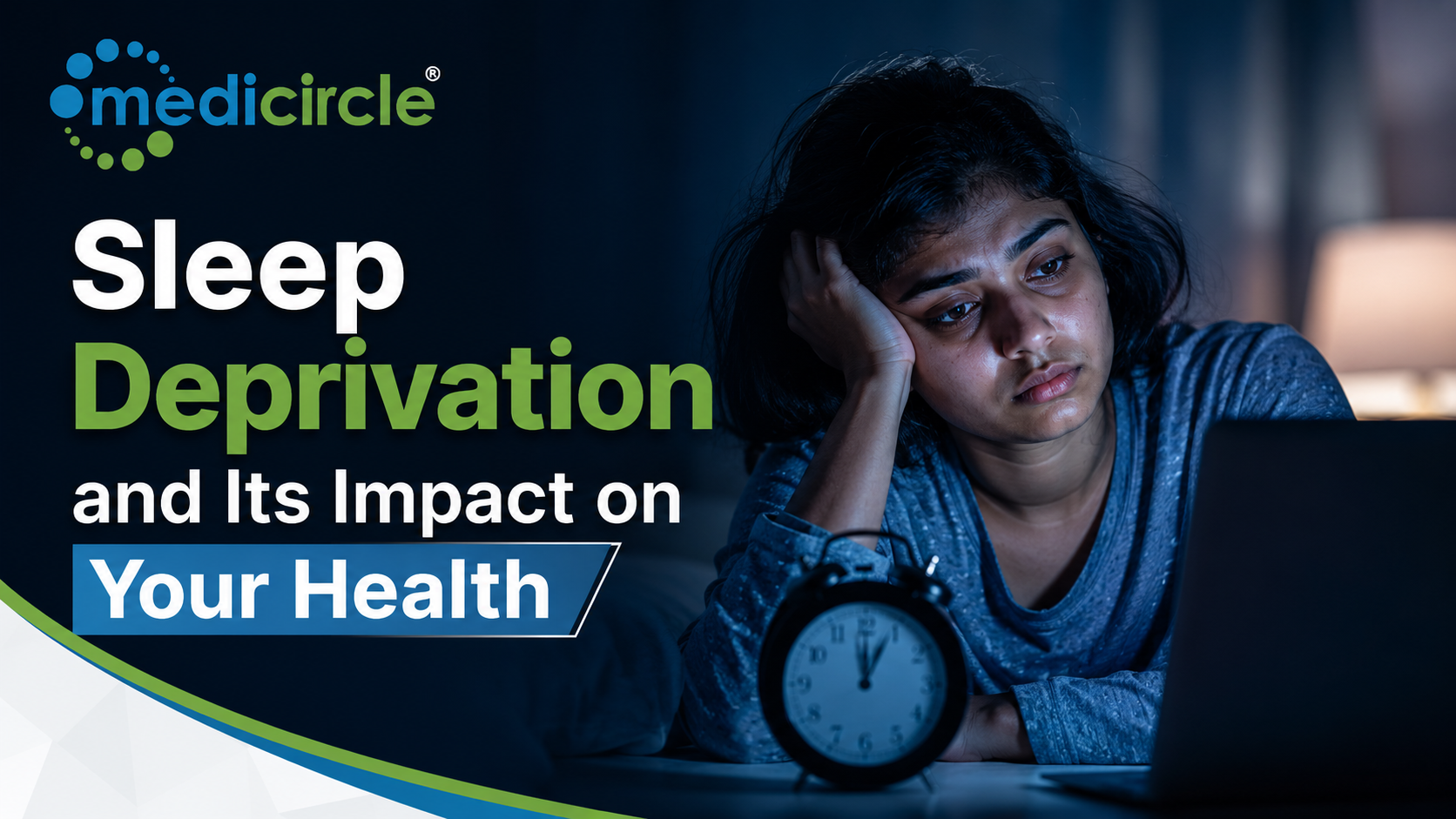
 Chronic sleep deprivation poses serious health risks including cardiovascular disease, diabetes, obesity, and mental health disorders. This article explores causes, symptoms, and evidence-based prevention strategies for Indian readers.





Introduction
Sleep is not a luxury. It is a biological necessity as fundamental to human survival as food and water. Yet, in a country where long working hours, late-night screen use, erratic meal timings, and chronic stress have become the norm, millions of Indians are quietly living in a state of persistent sleep deprivation without fully recognising what it is doing to their bodies.
According to recent global surveys, India ranks among the most sleep-deprived nations in the world. Urban professionals in cities like Mumbai, Bengaluru, Delhi, and Hyderabad frequently sleep well below the recommended 7 to 9 hours per night. Call centre workers, IT professionals, healthcare staff, students preparing for competitive examinations, and daily wage workers doing night shifts are among the most affected groups. What is alarming is that many of these individuals believe that running on five or six hours of sleep is simply a part of modern life. It is not.
The consequences of inadequate sleep are not limited to feeling tired the next morning. An extensive and growing body of scientific evidence, including a landmark 2025 umbrella review published in the American Journal of Lifestyle Medicine analysing 29 systematic reviews and meta-analyses, confirms that chronic sleep deprivation is a serious risk factor for cardiovascular disease, metabolic disorders, weakened immunity, and deteriorating mental health. Understanding what sleep deprivation truly means, how it develops, and how to address it is one of the most important health conversations India needs to have right now.
Understanding Sleep Deprivation: More Than Just Feeling Tired
Sleep deprivation occurs when a person consistently gets less sleep than the body requires to function optimally. For most adults, this means sleeping fewer than 7 hours per night on a regular basis. However, sleep deprivation is not only about duration. A person who spends 8 hours in bed but experiences fragmented, poor-quality sleep due to obstructive sleep apnoea or frequent nocturnal awakenings may still suffer from functional sleep deprivation.
The human body cycles through four distinct stages of sleep throughout the night. These include light sleep, deeper non-REM sleep, the deepest restorative stage, and REM sleep, the stage associated with dreaming and emotional processing. A healthy night consists of four to five complete sleep cycles. When sleep is cut short or disrupted, the body loses critical restorative time that it cannot fully recover. The brain uses sleep to clear metabolic waste, consolidate memories, regulate hormones, and repair cellular damage. When that process is interrupted night after night, the downstream effects on health are profound.
Sleep requirements also change with age. Children aged 6 to 12 years need 9 to 12 hours of sleep, while teenagers between 13 and 18 years need 8 to 10 hours. Adults up to the age of 65 need 7 to 9 hours, and those above 65 require 7 to 8 hours. In India, particularly among school-going children in Tier 1 cities who are under significant academic pressure, sleep is often the first thing to be sacrificed, setting the stage for long-term health consequences from a young age.
Common Causes and Risk Factors in the Indian Context
Sleep deprivation rarely occurs without a reason. In India, the causes are a unique blend of lifestyle factors, occupational pressures, social habits, and underlying medical conditions.
Extended working hours and shift work are among the leading contributors. India's booming technology sector, logistics industry, and healthcare workforce routinely demand night shifts and irregular schedules. Shift work disrupts the body's circadian rhythm, the internal biological clock that regulates sleep and wakefulness, making it difficult to fall asleep or stay asleep at appropriate times.
Mobile phone and social media use in the hours before bedtime is another significant and rapidly growing concern, particularly among India's youth demographic. The blue light emitted by screens suppresses melatonin production, the hormone that signals the brain to prepare for sleep. Coupled with the psychologically stimulating nature of social media content, late-night device use has become one of the most common self-imposed causes of sleep deprivation in urban India.
Stress is a major contributor as well. Whether it is financial stress, academic pressure, family conflict, or work-related anxiety, unresolved psychological stress activates the body's fight-or-flight response, keeping cortisol levels elevated and making it very difficult to fall into restful, sustained sleep.
Other important risk factors include:
- Undiagnosed or untreated obstructive sleep apnoea, which is more common in individuals with obesity and is significantly underdiagnosed in India
- High caffeine and tea consumption later in the day, a deeply ingrained habit across Indian households
- Consumption of heavy, spice-rich evening meals that delay digestion and interfere with sleep onset
- Chronic pain conditions, such as arthritis or lower back pain, which are prevalent in India's ageing population
- Depression, anxiety, and other mental health conditions that are still largely undertreated in India due to the stigma surrounding psychiatric care
Recognising the Symptoms: When the Body Starts Sending Signals
Sleep deprivation reveals itself gradually, and many people normalise its symptoms for months or even years before seeking help. The early signs are subtle but meaningful.
Persistent daytime sleepiness is typically the first and most recognisable symptom. A person who consistently feels the urge to nap during the day, even after a full night's sleep attempt, is likely not getting restorative rest. This is followed by difficulty concentrating, forgetfulness, slowed reaction times, and increased irritability. Tasks that previously required little mental effort begin to feel draining and error-prone.
As sleep deprivation progresses, the symptoms become considerably more serious. Microsleep episodes, brief and involuntary lapses into sleep lasting only a few seconds, can occur during conversations, at office desks, or most dangerously, while driving. Road accidents caused by driver fatigue are a significant and underreported public health problem in India. Mood disturbances become more pronounced, with individuals experiencing heightened emotional sensitivity, disproportionate anger, and an inability to regulate their reactions to stressful situations.
Severe or prolonged sleep deprivation can lead to symptoms that resemble intoxication, including impaired judgment, slurred speech, trembling hands, and in extreme cases, visual or tactile hallucinations. These represent medical emergencies and require immediate clinical evaluation.
The Health Impact: What Chronic Sleep Loss Does to the Body
The science on this is clear and consistent. Sleep deprivation does not merely make people feel unwell. It drives the development of serious, life-shortening diseases across multiple organ systems.
Cardiovascular ConsequencesThe heart bears a significant burden when the body is deprived of adequate sleep. Research shows that sleeping fewer than 7 hours per night is associated with a 17 percent higher risk of hypertension compared to those who sleep adequately. The risk of coronary heart disease rises by approximately 11 percent for each hour of sleep lost below the recommended duration. Stroke risk also increases by 15 to 19 percent among individuals with chronic sleep deprivation.
The mechanisms behind these outcomes include elevated inflammatory markers, increased sympathetic nervous system activity, reduced blood pressure dips during sleep that are essential for vascular recovery, and impaired endothelial function, the process by which blood vessel walls regulate themselves. Short sleep duration has also been linked to an increased risk of atrial fibrillation, a serious heart rhythm disorder that significantly elevates stroke risk.
For India, where cardiovascular disease is already the leading cause of death and is occurring at younger ages compared to Western populations, the sleep-heart connection deserves far greater public health attention than it currently receives.
Metabolic and Weight-Related EffectsSleep plays a critical regulatory role in the body's metabolic functions. When sleep is insufficient, levels of ghrelin, the hunger-stimulating hormone, rise, while levels of leptin, the hormone that signals fullness, fall. This hormonal imbalance drives increased appetite, particularly for calorie-dense, high-carbohydrate foods, and contributes directly to weight gain.
Individuals sleeping fewer than 6 hours per night are 1.45 to 1.55 times more likely to be obese compared to those with normal sleep patterns. The risk of developing Type 2 diabetes is also 9 percent higher among chronic short sleepers, with the mechanisms involving reduced insulin sensitivity, impaired glucose tolerance, and increased cortisol secretion through the hypothalamic-pituitary-adrenal axis.
These findings are particularly relevant for India, which carries the world's largest burden of Type 2 diabetes. Nutritional and lifestyle awareness campaigns in India have focused heavily on diet and physical activity, but sleep is an equally important pillar of metabolic health that is rarely addressed in public health messaging.
Mental Health and Emotional WellbeingThe link between sleep and mental health is bidirectional and deeply consequential. Sleep deprivation has a measurable anxiogenic effect, meaning it actively increases anxiety levels. This occurs partly because the amygdala, the brain's emotional processing centre, becomes hyperactive under sleep-deprived conditions, while its connectivity with the prefrontal cortex, which governs rational thought and emotional regulation, becomes impaired.
The result is heightened emotional reactivity, increased irritability, impulsive behaviour, and a diminished capacity to manage interpersonal conflict. Studies have shown that individuals with chronic sleep deprivation are more likely to experience marital conflict, workplace friction, and social withdrawal. Sleep loss is also strongly associated with depressive symptoms, with disruptions to serotonin and dopamine neurotransmitter systems playing a central role.
In India, where mental health awareness is improving but stigma remains a significant barrier to care, unrecognised and untreated sleep deprivation may be silently worsening the burden of anxiety and depression in the population.
Immune System VulnerabilitySleep is when the immune system does much of its most important repair and defence work. During sleep, the body produces cytokines and antibodies that protect against infection and inflammation. When sleep is consistently inadequate, this immune defence is weakened, making individuals more susceptible to viral and bacterial infections, slower to recover from illness, and at greater risk of developing chronic inflammatory conditions over time.
Diagnosis and Medical Evaluation
Sleep deprivation is often diagnosed clinically, based on a detailed conversation between the patient and a healthcare provider about sleep patterns, symptoms, and lifestyle factors. However, when an underlying sleep disorder is suspected, additional investigations may be warranted.
A polysomnography, commonly known as a sleep study, records brain waves, oxygen levels, heart rate, breathing, and body movements during sleep. It is the gold standard for diagnosing obstructive sleep apnoea and other complex sleep disorders. At-home sleep apnoea testing devices are increasingly available as well, offering a more accessible option for patients in Tier 2 and Tier 3 cities where formal sleep laboratories may not be available.
Under the Ayushman Bharat Digital Mission (ABDM), India is working toward more integrated patient health records and expanded access to specialist care. This opens opportunities for sleep health to be better assessed and tracked as part of routine primary care, particularly at Health and Wellness Centres being set up across the country.
Treatment Options and Management Strategies
The approach to treating sleep deprivation depends on its underlying cause, severity, and duration. There is no single universal solution, but effective options are available.
Behavioural and Lifestyle Interventions form the foundation of sleep health management. Cognitive Behavioural Therapy for Insomnia (CBT-I) is internationally recognised as the most effective long-term treatment for chronic insomnia-related sleep problems. It addresses the thought patterns and behaviours that perpetuate poor sleep, and it has lasting results without the side effects of medication.
Sleep hygiene improvements, including maintaining a consistent sleep and wake schedule, avoiding screens for at least one hour before bedtime, keeping the bedroom cool and dark, and avoiding caffeine after midday, can produce significant improvements in sleep quality for many individuals.
Medical Treatment becomes necessary when sleep deprivation is linked to an identifiable medical condition. Obstructive sleep apnoea, for instance, is treated effectively with Continuous Positive Airway Pressure (CPAP) therapy. Hormonal imbalances, thyroid disorders, and chronic pain conditions that disrupt sleep also require specific medical management.
Medications are used cautiously in sleep medicine. While sedative-hypnotic drugs can help in the short term, long-term use carries risks of dependence and rebound insomnia. Healthcare providers in India increasingly favour non-pharmacological approaches wherever possible, particularly given the risk of self-medication with over-the-counter sedatives.
Prevention and Proactive Sleep Health Measures
Preventing sleep deprivation requires a conscious and sustained commitment to treating sleep as a health priority rather than an optional luxury.
The most impactful preventive measures include:
- Setting a consistent bedtime and wake time, even on weekends
- Creating a pre-sleep routine that signals the body to wind down, such as reading, light stretching, or practising diaphragmatic breathing
- Avoiding alcohol in the evening, as it disrupts REM sleep and reduces overall sleep quality
- Managing occupational stress through structured breaks, mindfulness practices, and yoga, a practice deeply embedded in Indian culture and evidence-supported for improving sleep quality
- Engaging in moderate physical activity, which improves both sleep duration and sleep architecture, though vigorous exercise too close to bedtime should be avoided
India's National Health Policy and the Indian Council of Medical Research (ICMR) have increasingly emphasised the importance of lifestyle modification in preventing non-communicable diseases. Incorporating sleep health into these national conversations, from school health education to corporate wellness programmes and primary care guidelines, represents a significant and largely untapped public health opportunity.
Platforms such as Medicircle play an important role in closing the awareness gap by bringing expert-led, credible health information on topics like sleep directly to patients, caregivers, and healthcare professionals across India.
Conclusion
Sleep is not a passive state. It is an active and essential biological process that sustains every organ system in the human body. The evidence is overwhelming that chronic sleep deprivation, defined as consistently sleeping fewer than 7 hours per night, meaningfully increases the risk of hypertension, coronary heart disease, stroke, obesity, Type 2 diabetes, anxiety, depression, and all-cause mortality.
For India, a nation grappling with a rapidly rising burden of non-communicable diseases and mental health challenges, sleep health cannot remain an afterthought. Every conversation about heart health, diabetes prevention, weight management, or mental wellbeing is incomplete without acknowledging the foundational role of sleep. The good news is that sleep deprivation is largely preventable and treatable. Awareness is the first and most important step, and the step that every individual, family, and healthcare provider can take today.
Frequently Asked Questions
Q1: How many hours of sleep do adults need every night?
Adults between the ages of 18 and 65 need 7 to 9 hours of sleep per night. Adults above 65 should aim for 7 to 8 hours. Consistently sleeping below 7 hours increases the risk of cardiovascular disease, diabetes, obesity, and mental health disorders. Individual variation exists, but these are the evidence-based recommendations from leading global health authorities.
Q2: What are the early warning signs of sleep deprivation?
Early signs include persistent daytime fatigue, difficulty concentrating, increased forgetfulness, frequent mood changes, headaches, and slower reaction times. Many people normalise these symptoms and attribute them to a busy lifestyle. If these signs appear regularly and do not improve with additional rest, a healthcare consultation is advisable.
Q3: Can chronic sleep deprivation cause heart disease?
Yes. Research strongly links chronic sleep deprivation to an increased risk of hypertension, coronary heart disease, and stroke. Sleeping fewer than 7 hours per night raises the risk of coronary heart disease by approximately 11 percent for each hour of sleep lost below the recommended level. The mechanisms involve elevated inflammatory markers, increased blood pressure, and impaired vascular repair.
Q4: How does sleep deprivation affect mental health?
Sleep deprivation has a measurable negative impact on mental health. It increases anxiety, emotional instability, irritability, and depressive symptoms. The brain's emotional processing centre becomes hyperactive under sleep-deprived conditions, while the regions responsible for rational thought and emotional regulation become less effective. Long-term sleep loss is associated with a higher risk of clinical anxiety and depression.
Q5: What can Indians do to improve sleep quality naturally?
Several practical steps can help. Maintaining a consistent sleep and wake schedule, reducing screen use before bedtime, avoiding caffeine and heavy meals in the evening, incorporating yoga or mindfulness into a daily routine, and creating a cool, quiet, and dark sleep environment are all evidence-supported strategies. Those with persistent or worsening sleep problems should consult a qualified doctor rather than self-medicate.
Resources
- Indian Council of Medical Research (ICMR): Guidelines and publications on non-communicable disease prevention and lifestyle health in India
- World Health Organization (WHO) India Country Office: Reports and data on sleep health, mental health, and public health interventions
- PubMed / National Library of Medicine (pubmed.ncbi.nlm.nih.gov): Peer-reviewed research and systematic reviews on sleep deprivation and health outcomes
- Ministry of Health and Family Welfare, Government of India (mohfw.gov.in): National health policies, Ayushman Bharat programme updates, and public health advisories
- National Institute of Mental Health and Neurosciences (NIMHANS), Bengaluru: Research and clinical guidance on sleep disorders, insomnia, and mental health in India
Interlinking Keywords
sleep deprivation symptoms, effects of poor sleep on heart health, how to improve sleep quality in India, sleep and diabetes risk, anxiety and sleep loss, insomnia treatment India, sleep hygiene tips, mental health and sleep, obstructive sleep apnoea India, cardiovascular disease prevention
Last medically reviewed by:
Medicircle Editorial and Healthcare Desk on 24 July 2026
Medical Disclaimer:
This article is intended for general informational and patient awareness purposes only. It does not constitute medical advice, diagnosis, or treatment. The information provided should not be used as a substitute for professional medical consultation, diagnosis, or treatment by a qualified and licensed healthcare provider. Readers are advised to consult their doctor or a certified healthcare professional before making any decisions related to their health, medical conditions, or treatment options. Medicircle does not endorse any specific products, medications, or treatment protocols. If you are experiencing symptoms related to sleep disorders or any other health condition, please seek immediate professional medical attention.





-23-300x250.png)

.jpeg)
.jpg)
.jpg)
.jpg)
.jpg)
.jpg)
.jpg)
.jpg)
.jpg)
.jpg)