 Thursday, October 08, 2026
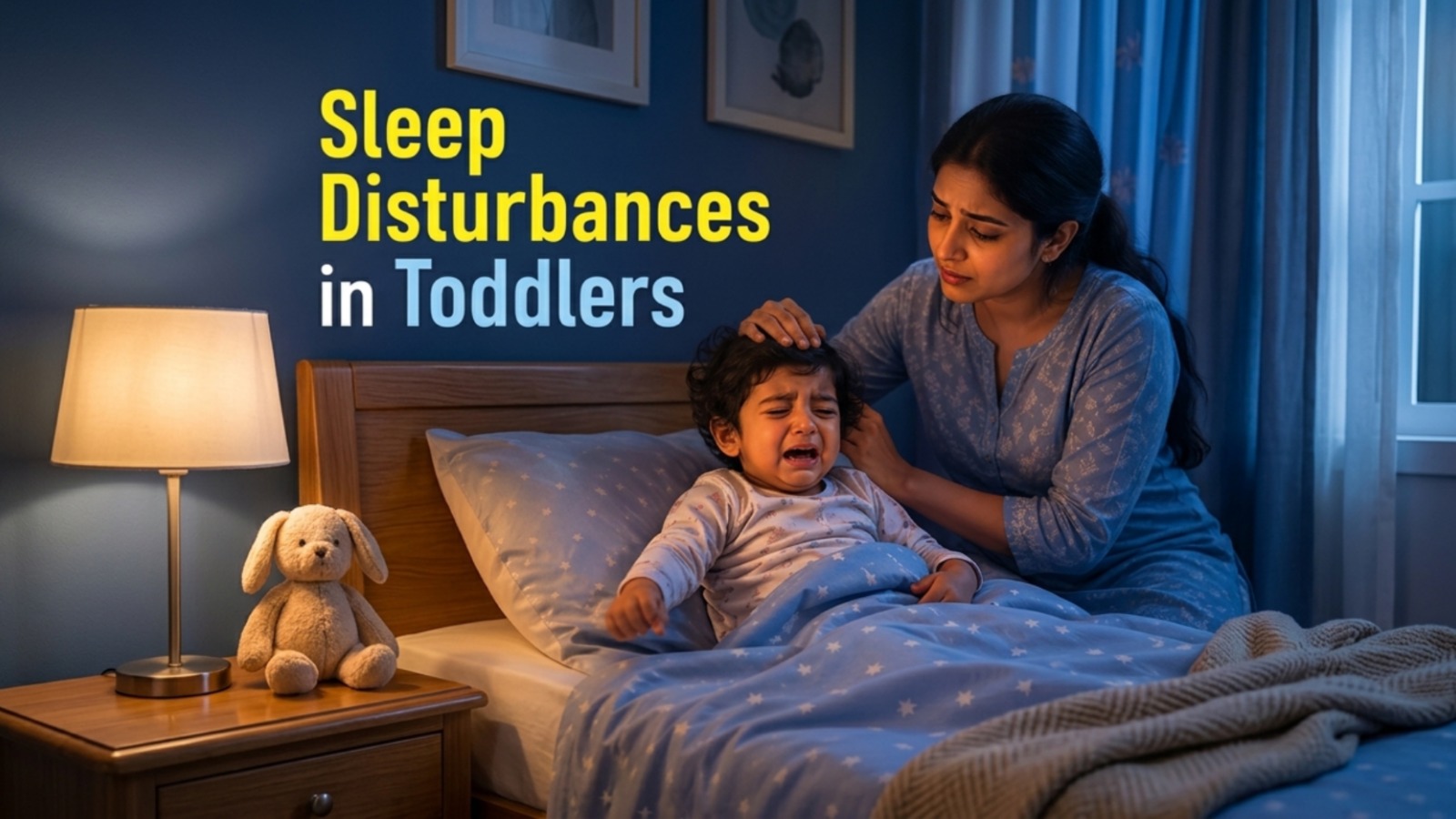
 Toddler sleep disturbances often arise from a mix of behavioral patterns, developmental growth, and environmental factors affecting sleep cycles. Understanding these causes helps parents manage night wakings, crying episodes, and sleep disruptions more effectively with consistent routines and awareness.





Sleep disruptions in toddlers can feel overwhelming, especially when nights are broken by sudden crying or restlessness. Many parents wonder why 18 month old wakes up screaming without clear reasons. These disturbances are rarely random. They are often linked to behavioral patterns, developmental changes, or underlying physical factors. Understanding the real cause behind these patterns helps parents respond with clarity instead of confusion.
Why Toddler Sleep Is Naturally Unstable in Early Development
Toddler sleep is not as predictable as adult sleep. During early development, the brain is actively forming connections, which affects sleep cycles. Toddlers move between light and deep sleep more frequently, making them more sensitive to disturbances.
This explains why parents often ask why does my 12 month old wake up crying or why does my 13 month old wake up crying. At this stage, children are learning to process emotions, memory, and sensory experiences. These processes continue even during sleep.
A toddler may fall asleep peacefully but wake up disoriented because their brain shifts into a lighter sleep phase. Unlike adults, they do not always know how to return to sleep independently. This leads to crying or calling for comfort.
In real-life situations, a toddler who recently learned a new skill, such as walking or speaking, may show more sleep disturbances. Their brain remains active, replaying these experiences, which interrupts restful sleep.
Sleep instability is not always a problem. It is often a reflection of growth. However, when disruptions become frequent, it is important to identify whether the cause is behavioral or medical.
Behavioral Causes Behind Night Wakings and Crying
Behavioral factors are one of the most common reasons toddlers wake up at night. These are linked to habits, emotional needs, and learned sleep associations.
Parents often notice patterns like why does my 15 month old wake up crying or why does my 16 month old wake up at night. These are typically tied to how the child falls asleep in the first place.
If a toddler relies on rocking, feeding, or parental presence to sleep, they may wake up when that condition is missing. This creates a cycle where the child expects the same support every time they wake.
Common Behavioral Triggers That Affect Sleep- Sleep associations create dependency on external comfort
When a child gets used to falling asleep with help, they may struggle to self-soothe during night wakings. This leads to repeated crying episodes, especially in toddlers who are still developing independence in sleep patterns. - Separation awareness increases emotional sensitivity at night
Around 12 to 18 months, toddlers become more aware of separation. This explains why parents ask why does my 14 month old wake up crying or why does my 15 month old cry at night. The child may wake up and feel anxious when they do not see a familiar presence. - Overstimulation before bedtime affects sleep quality
Activities close to bedtime, such as screen exposure or high-energy play, can delay calming down. This results in lighter sleep and frequent waking during the night. - Irregular sleep routines disrupt internal rhythm
Inconsistent bedtime schedules confuse the child’s internal clock, leading to unpredictable sleep patterns and night awakenings.
These behavioral causes are often manageable once patterns are recognized and adjusted gradually.
Medical and Physical Factors That Disrupt Toddler Sleep
While behavioral causes are common, medical factors should not be overlooked. Physical discomfort can cause sudden waking, crying, or restlessness.
Parents may observe patterns like why does my 16 month old wake up screaming or why does my 17 month old wake up every night. These may indicate underlying discomfort rather than habit.
Common physical factors include teething, digestive discomfort, mild infections, or sensitivity to environmental changes. Even minor discomfort can disrupt a toddler’s sleep because they cannot communicate clearly.
Physical Reasons That May Affect Sleep- Teething causes discomfort that peaks during night hours
Pain from emerging teeth often intensifies at night, leading to crying or sudden waking. This is a common reason behind why does my 14 month old wake up screaming. - Digestive discomfort creates uneasiness during sleep cycles
Mild bloating or stomach discomfort can interrupt sleep, especially if the child ate close to bedtime. - Temperature and environment influence sleep quality
A room that is too warm or too cold can make a toddler restless and increase night wakings. - Growth-related discomfort affects sleep patterns
Rapid physical growth can cause temporary discomfort, leading to disrupted sleep.
These factors often overlap with behavioral patterns, making it important to observe changes carefully.
Why Toddlers Wake Up Crying or Screaming Suddenly
Sudden crying or screaming during sleep can feel alarming. Parents often search for answers to why do 2 year olds wake up crying or why do 3 year olds wake up at night.
This behavior is often linked to partial awakenings during sleep cycles. The child may not be fully awake but reacts emotionally to internal or external triggers.
Night terrors can also play a role. Unlike nightmares, which occur during deeper awareness, night terrors happen when the child is between sleep stages. The child may cry, scream, or appear distressed but may not fully wake up.
In real-life scenarios, a toddler may sit up crying but not respond to comfort immediately. This can be confusing for parents, but it usually resolves on its own as the child transitions back into sleep.
Understanding this distinction helps parents respond calmly instead of trying to fully wake the child, which may prolong the episode.
Patterns Across Different Ages and Development Stages
Sleep disturbances vary depending on the child’s age and development. This explains why parents ask questions like why does my 17 month old wake up at night or why does my 16 month old wake up crying.
Younger toddlers may wake due to developmental milestones, while older toddlers may experience disruptions due to emotional or environmental factors.
How Sleep Changes With Age- 12 to 14 months involve rapid developmental growth
During this stage, children experience changes in movement and awareness. This often leads to questions like why does my 14 month old wake up crying. - 15 to 18 months bring stronger emotional responses
Separation awareness increases, leading to more night wakings and crying. - 18 to 24 months show more independence but also resistance
Toddlers may resist sleep or wake up seeking reassurance. - 2 to 3 years involve imagination and fear development
This stage may introduce fears or confusion during sleep, leading to night waking.
Recognizing these patterns helps parents respond in ways that match the child’s developmental needs.
Practical Ways to Support Better Sleep in Toddlers
Improving toddler sleep involves addressing both behavioral and environmental factors. It is not about quick fixes but consistent patterns.
Approaches That Help Improve Sleep Stability- Create a predictable bedtime routine that signals rest
A consistent routine helps the child understand when it is time to sleep. This reduces confusion and supports smoother transitions into sleep. - Encourage self-soothing gradually without sudden changes
Helping a child learn to fall asleep independently reduces reliance on external comfort. This approach takes time but improves long-term sleep patterns. - Maintain a calm and comfortable sleep environment
A quiet, dimly lit room with a stable temperature supports better sleep quality and reduces disturbances. - Observe patterns instead of reacting immediately to every waking
Not every waking requires intervention. Sometimes the child can return to sleep naturally.
These practices focus on long-term improvement rather than immediate results.
Conclusion
Sleep disturbances in toddlers are rarely caused by a single factor. They often result from a combination of behavioral patterns, developmental changes, and physical influences. Questions like why 18 month old wakes up screaming or why 20 month old wakes up at night reflect common concerns faced by parents worldwide.
Understanding the underlying reasons helps create a more balanced approach to managing sleep. With patience, observation, and consistent routines, most sleep disturbances improve over time.
Frequently Asked Questions (FAQs)
1. Why does my toddler suddenly start waking up every night?Sudden night waking is often linked to changes in sleep cycles, emotional development, or routine shifts. This is why many parents search why does my 17 month old wake up every night or notice similar patterns. During this phase, the child may struggle with self-soothing due to developing independence and awareness. Understanding these toddler sleep patterns and applying consistent bedtime routines can help stabilize sleep over time.
2. Why does my toddler cry immediately after waking up at night?Crying right after waking often happens when a toddler feels disoriented or unable to settle back to sleep. This explains queries like why does my 16 month old wake up crying or similar concerns across age groups. The child may still be transitioning between sleep stages, leading to emotional reactions. Recognizing these sleep cycle transitions and creating a calming environment can support better night waking management.
3. Is it normal for toddlers to wake up screaming in the middle of the night?Yes, it can be normal in many cases, especially during phases of development. Parents often wonder why does my 15 month old wake up screaming or experience sudden distress. This may relate to partial awakenings or night terrors, where the child is not fully awake. Understanding night disturbances and maintaining consistent sleep hygiene helps reduce these episodes over time.
4. Why does my toddler wake up multiple times after going to sleep?Frequent waking is often connected to how the child falls asleep initially. If they rely on external comfort, they may wake when that condition changes. This explains questions like why does my 16 month old wake up at night. Improving sleep associations and encouraging gradual independence supports better sleep consolidation.
5. Can changes in routine cause sleep disturbances in toddlers?Yes, even small routine changes can affect sleep significantly. Travel, schedule shifts, or new environments can disrupt toddler sleep behavior. This can lead to patterns similar to why does my 14 month old wake up crying. Maintaining consistent daily rhythms helps restore balance.
6. Why does my toddler wake up crying even after a full day of activity?Physical tiredness does not always guarantee restful sleep. Overstimulation or overtiredness can lead to lighter sleep and frequent waking. This explains why parents search why do 2 year olds wake up crying. Understanding the balance between activity and rest improves sleep quality and supports better recovery during the night.
7. Are night wakings related to developmental milestones?Yes, developmental milestones often affect sleep patterns. Learning new skills like walking or speaking keeps the brain active, even during sleep. This can lead to patterns similar to why does my 17 month old wake up at night. Recognizing these developmental sleep changes helps parents respond with patience and consistency.
8. Why does my toddler seem awake but not fully responsive at night?This behavior is often linked to partial awakenings or night terrors. The child may appear awake but is still in a deep sleep stage. This is commonly associated with queries like why 18 month old wakes up screaming. Understanding sleep stage confusion and avoiding full stimulation helps the child return to sleep naturally.
9. How can I tell if my toddler’s sleep issue is behavioral or physical?Behavioral issues usually follow patterns related to routines or habits, while physical causes often involve discomfort or sudden changes. For example, patterns like why does my 14 month old wake up screaming may require closer observation. Identifying triggers through sleep tracking and understanding environmental factors helps distinguish between the two.
10. Why does my toddler wake up more frequently during certain phases?Sleep disturbances often increase during growth phases or emotional development periods. This explains why parents notice patterns like why do 3 year olds wake up at night. These phases reflect changes in the brain and behavior. Understanding sleep regression patterns and maintaining consistent routines supports better long-term sleep stability.






.jpeg)










.jpg)
.jpg)
.jpg)
.jpg)
.jpg)
.jpg)


.jpg)