 Sunday, October 11, 2026
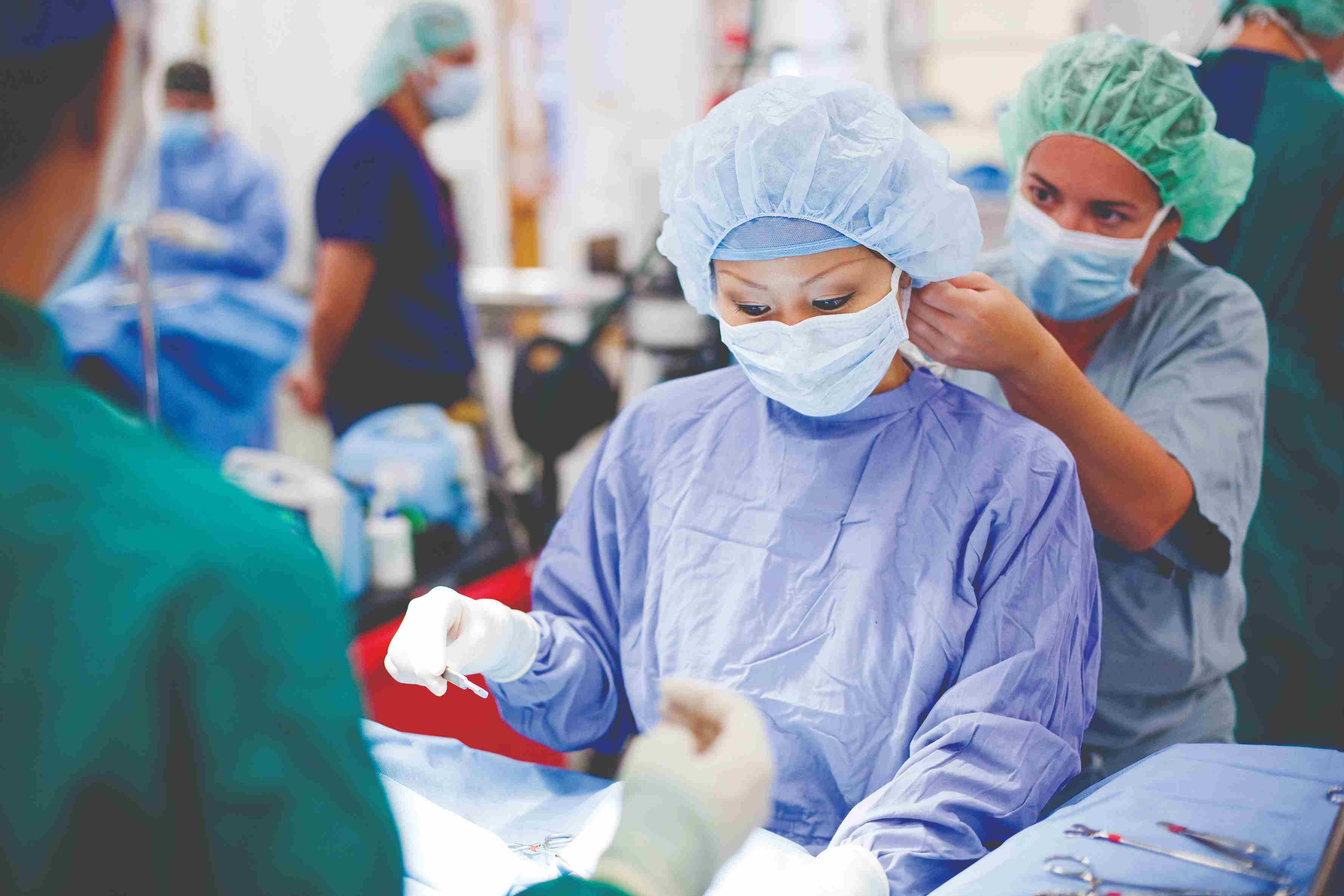
 Rising global cancer incidence is placing mounting pressure on healthcare systems, and India is facing an acute challenge.




Bangalore, India, February 03, 2026 - Rising global cancer incidence is placing mounting pressure on healthcare systems, and India is facing an acute challenge. According to estimates from the ICMR–National Cancer Registry Programme (NCRP), India recorded approximately 1.53 million new cancer cases in 2024, reflecting a continued upward trend in disease burden. However, the availability of trained cancer-care specialists has not kept pace with this growth. India is estimated to have only 2,000–2,500 practicing oncologists across medical, surgical, and radiation oncology, resulting in a significant mismatch between patient demand and specialist capacity. This shortage is further compounded by the uneven distribution of oncology services, with expertise concentrated in urban centers while large parts of the country remain underserved. Together, these trends underscore the urgent need to strengthen India’s oncology workforce and care infrastructure across the full continuum of care.
Recognizing the importance of addressing workforce shortage in India, St. George’s University (SGU) School of Medicine in Grenada, West Indies, highlights how its medical education approach supports the development of clinical competencies relevant to cancer care across healthcare settings.
These challenges reflect broader global trends, where cancer care increasingly depends on multidisciplinary teams rather than specialty expansion alone. SGU’s curriculum is designed to build a strong foundation in clinical diagnosis, patient communication and multidisciplinary care, which are essential skills for effective oncology and cancer-related care. Through anatomy labs, simulation-based learning, and integrated digital tools, students develop foundational clinical skills in structured, supervised environments designed to reflect real-world medical practice.
The curriculum also integrates traditional cadaveric dissection with modern 3D anatomical modeling. This blend helps students visualize the human body in a holistic way while reinforcing knowledge through their hands-on interaction. SGU’s simulation lab also enables medical students to have their first direct interaction with ill patients in a safe, simulated learning environment.
On top of core medical training, SGU offers early exposure to prevention, diagnosis and patient-centered care to prepare graduates to tackle complex health issues. SGU has developed long-standing relationships with more than 75 established hospitals and clinical centers in the US and UK. These clinical placements provide exposure to diverse patient populations and care environments, including settings where cancer diagnosis and management are part of routine clinical practice.
Indian SGU alumni are contributing to healthcare systems through roles that intersect with cancer diagnosis, treatment coordination, and long-term patient care. For example, Dr. Aadhyaa Shenoy, MD ’23, from Mumbai, is currently an internal medicine resident at The Wright Center for Graduate Medical Education in Pennsylvania. A graduate of St. George’s University School of Medicine, she credits her experience as a patient care coordinator with shaping her commitment to holistic, patient-centred care. Looking ahead, Dr. Shenoy aspires to further specialise while making meaningful contributions to global health initiatives and underserved communities.
As global cancer incidence continues to rise, strengthening healthcare capacity will depend not only on increasing specialist numbers, but on preparing physicians with adaptable clinical skills applicable across the cancer care continuum. Medical education plays a critical role in equipping future doctors to navigate complex diagnoses, coordinate multidisciplinary care, and respond to evolving patient needs within diverse health systems.
On World Cancer Day 2026, the growing focus on cancer care highlights the importance of long-term investment in physician training. Through its global medical education model, SGU supports the development of broadly trained physicians who are prepared to contribute to healthcare systems in India and beyond.






.jpeg)










.jpg)
.jpg)
.jpg)
.jpg)
.jpg)
.jpg)


.jpg)