 Friday, October 09, 2026
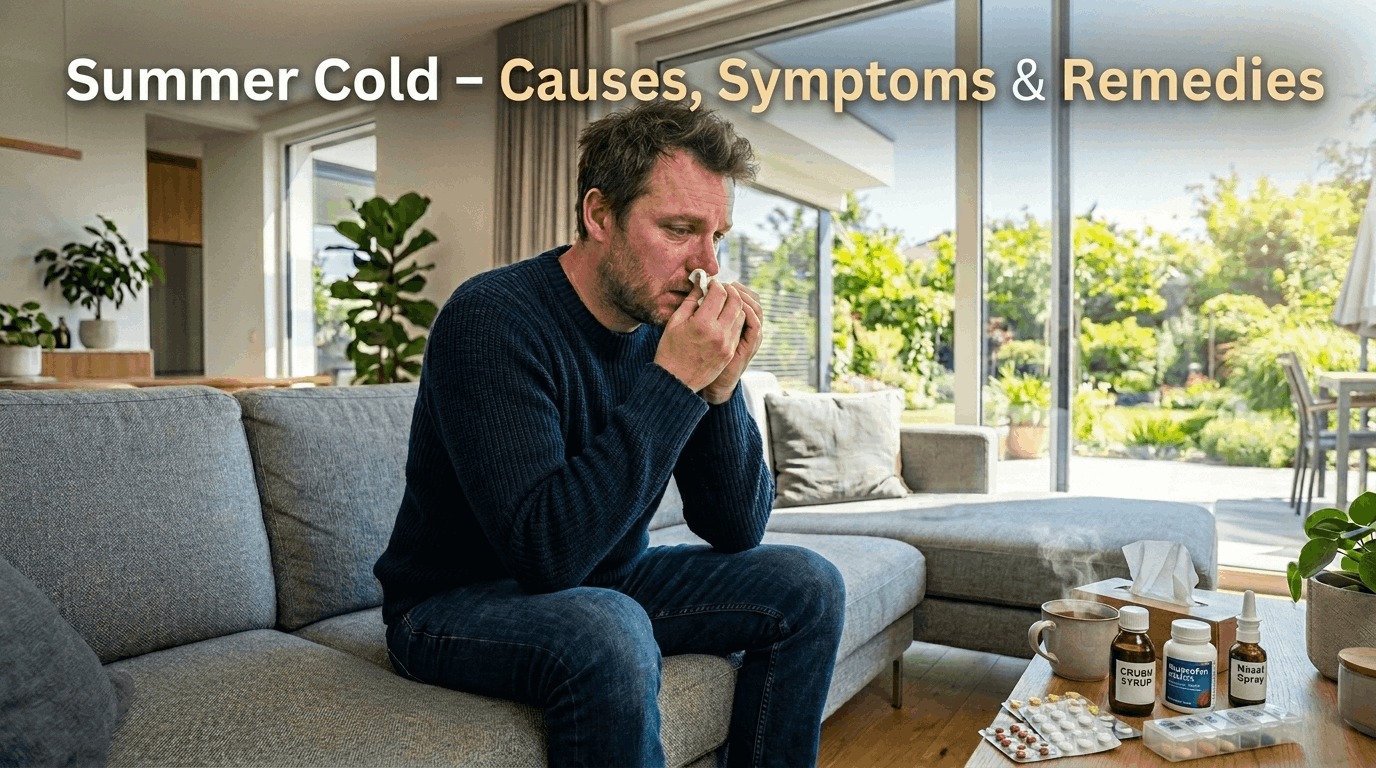
 A summercold is a seasonal condition influenced by temperature changes, indoor environments, and lifestyle habits. Understanding summer cold symptoms, using simple remedies for cold, and applying effective prevention strategies help manage cold & cough effectively at home.




Catching a cold during summer often feels unexpected. Most people associate colds with winter, yet many experience a common cold in summer when temperatures are high. This leads to confusion—why does a cold virus in summer spread even in warm weather?
The reality is that a summercold is a real seasonal issue. Changes in temperature, indoor cooling systems, travel, and lifestyle habits across countries like the US, UK, Canada, and Australia contribute to its spread. People often move between hot outdoor conditions and cold indoor environments, creating the perfect setting for a common cold.
Understanding summer cold symptoms, how they differ from winter colds, and how to manage them effectively is essential for maintaining health during warmer months.
What Is a Summer Cold and Why It Happens
A common cold in summer is caused by viruses that thrive in different environmental conditions than winter viruses. While winter colds are often linked to colder weather, a cold virus in summer spreads due to lifestyle and environmental factors.
In countries like the US and Canada, air-conditioned indoor spaces such as offices and malls create temperature contrasts. In the UK and Australia, seasonal transitions and humidity changes can weaken immunity. These factors increase the chances of developing a summercold.
People who keep getting a cold during seasonal changes often experience repeated exposure to such conditions.
Common Summer Cold Symptoms to Watch For
Recognizing summer cold symptoms early helps in managing the condition effectively. While similar to winter colds, some symptoms feel slightly different due to heat and humidity.
Typical Symptoms of a Summer Cold- Runny or blocked nose with mild irritation: A blocked nose is common, especially when moving between warm outdoor air and cold indoor environments.
- Sore throat and dryness due to temperature shifts: Sudden exposure to cold air conditioning can lead to throat discomfort and irritation.
- Persistent cough at night affecting sleep: A persistent cough at night may worsen due to dry indoor air, making rest difficult.
- Fatigue and mild body discomfort: Even in summer, viral infections can lead to tiredness and reduced energy levels.
These summer head cold symptoms may overlap with viral cold symptoms, making it important to identify patterns early.
How Summer Cold Differs from Winter Cold
Although both conditions fall under the common cold, there are noticeable differences.
A winter cold often feels heavier, with more congestion and chills. A cold during summer may feel lighter but more irritating due to heat. Symptoms like dehydration and fatigue are more common in warmer climates.
In countries like Australia, where seasons are reversed, the concept of a common cold in summer can vary depending on the region and climate.
Health Effects of Summer Cold on Daily Life
A summercold can affect daily routines more than expected. Unlike winter, people remain active during summer, making symptoms harder to manage.
The health affect of a summer cold includes reduced productivity, disturbed sleep due to persistent cough at night, and discomfort during outdoor activities.
For individuals who keep getting a cold, repeated infections can impact overall energy levels and lifestyle balance.
How to Manage Summer Cold Symptoms Effectively
Managing summer cold symptoms requires a combination of awareness and simple lifestyle adjustments.
Practical Ways to Manage Cold and Cough- Stay hydrated to support recovery and comfort: Drinking fluids helps reduce throat irritation and supports overall body function during a cold and cough.
- Use simple home remedies for blocked nose relief: Steam inhalation and warm fluids are commonly used home remedies for blocked nose that improve breathing comfort.
- Maintain balanced indoor and outdoor exposure: Avoid sudden temperature changes by adjusting gradually when moving between environments.
- Ensure proper rest to support recovery: Adequate sleep helps the body respond better to viral cold symptoms.
These approaches support common cold treatments without relying on complex interventions.
Seasonal Prevention Tips for Cold and Cough
Preventing a cold virus in summer is possible with simple habits and awareness.
Effective Prevention StrategiesPreventing a cold virus in summer requires more awareness than effort. Unlike winter, where cold exposure is obvious, summer-related infections often come from lifestyle patterns, indoor environments, and sudden temperature shifts. Adopting simple habits can help reduce the chances of developing a common cold in summer and recurring cold & cough.
Effective Prevention Strategies- Maintain consistent hygiene to reduce viral exposure: Regular handwashing and avoiding frequent face touching help limit contact with viruses that cause common cold symptoms. In countries like the US and UK, where public spaces and shared environments are common, hygiene plays a key role in prevention.
- Avoid sudden temperature transitions between environments: Moving quickly from hot outdoor weather to cold indoor air conditioning can stress the body. Gradual adjustment helps prevent irritation that can trigger summer cold symptoms and throat discomfort.
- Support immunity through hydration and balanced routine: Staying hydrated is essential during summer, as dehydration can weaken the body’s natural defense. A consistent routine supports overall health affect and reduces vulnerability to seasonal infections.
- Be mindful of crowded and enclosed indoor spaces: Offices, malls, and public transport often have controlled environments where a cold virus in summer can spread easily. Limiting prolonged exposure and ensuring proper ventilation can help reduce risk.
- Practice simple daily habits that prevent cold & cough effectively: Small actions like maintaining a stable indoor temperature, getting enough rest, and avoiding overexertion help in the prevention of cold & cough at home. These habits are practical and sustainable across different lifestyles.
These prevention tips are especially useful during seasonal transitions in countries with varying climates.
Summer Cold Across Different Age Groups
A summercold affects individuals differently depending on age, immunity, and daily habits. Understanding these variations helps in managing symptoms more effectively across lifestyles and environments.
Children and TeenagersChildren are more exposed to viruses due to school activities, outdoor play, and group interactions. They may experience frequent common cold symptoms like runny nose and throat irritation. Teenagers, especially those with irregular sleep or high screen time, may ignore early signs, which can lead to prolonged discomfort and recurring cold and cough episodes during seasonal transitions.
AdultsAdults often face a cold during summer due to work routines that involve constant movement between air-conditioned spaces and outdoor heat. This temperature contrast can trigger summer head cold symptoms such as fatigue, throat dryness, and mild congestion. Busy schedules also make it harder to rest, which may delay recovery and increase the chances of keep getting a cold patterns.
Elderly IndividualsOlder adults may experience more noticeable effects of a common cold in summer, especially symptoms like persistent cough at night and fatigue. Their immune response may be slower, making recovery longer. Maintaining comfort, avoiding sudden temperature exposure, and ensuring hydration become important for managing viral cold symptoms in this age group.
Challenges in Managing Summer Cold
Managing a common cold in summer comes with unique challenges. Heat can make symptoms feel more uncomfortable, while dehydration can worsen throat irritation.
Additionally, people often mistake symptoms for allergies or fatigue, delaying proper care. This confusion makes it harder to apply effective cold treatment strategies early.
Home Remedies and Practical Insights
Simple and practical approaches can help manage summer cold symptoms effectively at home. These methods focus on comfort, hydration, and maintaining balance without relying on complex treatments.
- Warm fluids help soothe throat irritation and support hydration: Drinking warm water, herbal drinks, or light soups helps reduce throat discomfort caused by cold and cough. It also prevents dehydration, which is more common during summer and can worsen symptoms.
- Steam inhalation supports relief from blocked nose and congestion: Using steam is one of the most common home remedies for blocked nose, helping to clear nasal passages and improve breathing. It is especially useful when symptoms are triggered by indoor cooling or dust exposure.
- Balanced indoor environment reduces symptom irritation: Avoiding extremely cold air conditioning and maintaining a moderate room temperature helps prevent worsening of summer cold symptoms. Gradual temperature changes are easier on the body.
- Rest and light activity help the body recover naturally: While complete inactivity is not required, allowing the body enough rest supports recovery from viral cold symptoms. Overexertion during illness may prolong fatigue and discomfort.
- Simple remedies support overall comfort during seasonal cold: Following basic remedies for cold, such as staying hydrated and avoiding irritants, helps manage symptoms effectively. These methods are practical and suitable across different age groups.
Conclusion
A cold during summer may seem unusual, but it is a common seasonal issue influenced by lifestyle, climate, and environmental factors. Understanding summer cold symptoms, recognizing early signs, and applying simple prevention strategies can help manage the condition effectively.
Whether it is a common cold in summer or recurring cold and cough, maintaining balance in daily habits plays a key role. With proper awareness and simple adjustments, it becomes easier to reduce discomfort and stay active during the summer months.
Frequently Asked Questions (FAQs)
1. What are the most common summer cold symptoms?The most common summer cold symptoms include a runny or blocked nose, sore throat, mild headache, and fatigue. Many people also experience cold & cough along with throat irritation due to sudden temperature changes. These symptoms may feel lighter than winter colds but can still affect daily comfort.
2. Why do I get a cold during summer instead of winter?A cold during summer usually occurs due to sudden exposure to air conditioning, crowded indoor spaces, and seasonal changes. These conditions can weaken immunity and increase exposure to viruses, leading to a seasonal cold & cough even in warmer weather.
3. How long does a summer cold usually last?A typical summer cold lasts around a few days to a week, depending on how well it is managed. Following simple remedies for cold and maintaining hydration can help reduce discomfort. Effective manage cold & cough at home practices can also support quicker recovery.
4. Is a summer cold different from a winter cold?Yes, a common cold in summer may feel different from a winter cold. While winter colds often include heavy congestion, summer colds are more associated with throat irritation and fatigue. The health affect of a summer cold may also feel more uncomfortable due to heat and dehydration.
5. Can air conditioning cause a cold virus in summer?Air conditioning itself does not cause illness, but it can create conditions that allow a cold virus in summer to spread easily. Dry indoor air and sudden temperature changes can irritate the throat, leading to viral cold symptoms and increased discomfort.
6. What are the early signs of a summer head cold?Early signs of summer head cold symptoms include mild throat irritation, sneezing, and a blocked nose. These symptoms may gradually develop into a seasonal cold & cough, especially if not managed early with simple care.
7. Why do I keep getting a cold during seasonal changes?People who keep getting a cold often experience changes in immunity due to shifting weather conditions. Seasonal transitions can affect the body’s resistance, making it easier for infections to occur. Practicing prevention of cold & cough effectively can help reduce recurrence.
8. What helps relieve a blocked nose during a summer cold?Relief from a blocked nose can be achieved through home remedies for blocked nose such as steam inhalation and hydration. These methods help clear nasal passages and improve breathing, making them effective remedies for cold during summer.
9. When should I worry about persistent cough at night?A persistent cough at night should be monitored if it continues for several days or disrupts sleep regularly. It may indicate irritation caused by dryness or ongoing cold & cough, and managing symptoms early can help reduce discomfort.
10. How can I prevent common cold symptoms in summer?Preventing common cold symptoms in summer involves maintaining hygiene, staying hydrated, and avoiding sudden temperature changes. Following simple prevention tips for cold & cough at home can help reduce the chances of infection and support overall health.






.jpeg)










.jpg)
.jpg)
.jpg)
.jpg)
.jpg)
.jpg)


.jpg)