 Thursday, October 08, 2026
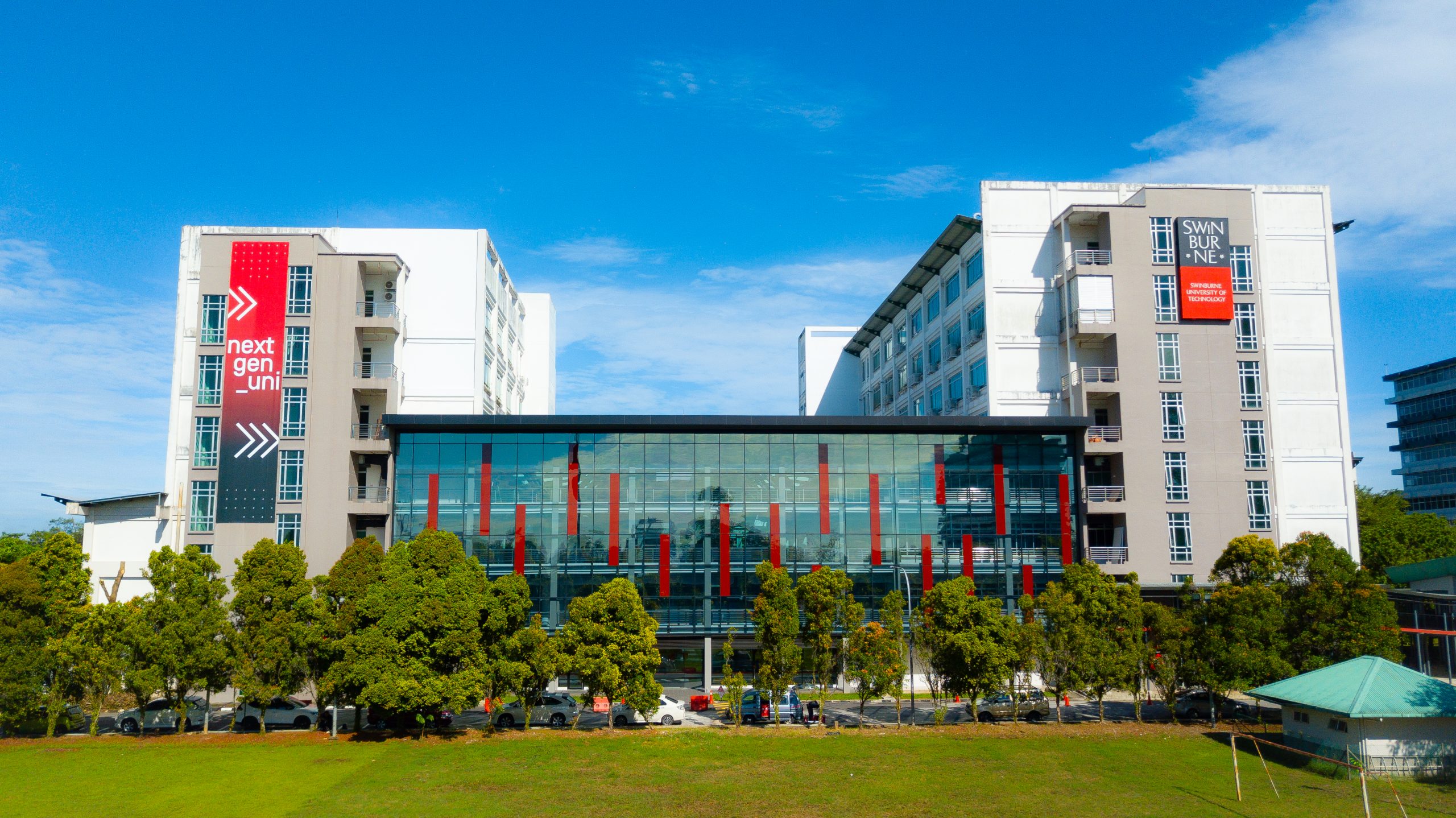
 The postgraduate degree helps engineering graduates build specialist knowledge through advanced coursework and research-driven learning.




August 10th, 2026: Swinburne University of Technology is now accepting applications for its Master of Engineering Science course, commencing in September 2026. Designed for engineering graduates looking to expand their technical expertise, the course combines advanced academic learning with independent research to prepare students for specialised roles across engineering and technology sectors.
The two-year postgraduate degree enables students to strengthen their understanding of engineering principles while developing the research capabilities needed to address increasingly complex industry challenges. Through a combination of discipline-specific coursework and practical research, the program equips graduates with the skills required to address contemporary engineering challenges across infrastructure, manufacturing, energy, telecommunications and advanced technologies.
The curriculum combines advanced coursework with a substantial engineering research thesis, allowing students to investigate real-world engineering problems while developing technical, research and professional capabilities. Through this blend of specialised learning and independent research, graduates are prepared to contribute to innovation across industry, research organisations and engineering practice.
Course Delivery:
The Master of Engineering Science can be completed over 2 years of full-time study or equivalent part-time study. The discipline comprises core engineering subjects, specialisation units and a major research thesis, offering students the flexibility to tailor their studies according to their academic interests and career aspirations.
The curriculum covers areas including Engineering Project Management, Professional Practice in Engineering, Research Methods, and the Engineering Master Major Thesis, in addition to specialised engineering subjects that provide advanced knowledge in students' chosen disciplines.
Entry Requirements: Applicants must have completed a recognised Bachelor of Engineering or Bachelor of Engineering (Honours) degree (minimum four years of full-time study) in a relevant discipline or meet the university’s equivalent entry requirements.
Start Date: 29 September 2026
Application Deadline: 26 August 2026
Duration: 2 years
English Language Requirements: Students will need an IELTS overall band score of 6.5, with no individual band below 6.0, or an equivalent recognised English language qualification.
Tuition: 47,420 (AUD)
Career Outcomes: Graduates can pursue advanced engineering and technical roles across industries including infrastructure, manufacturing, energy, telecommunications and advanced technology. Career pathways may include engineering consultant, design engineer, research engineer, structural engineer, civil engineer, electrical engineer, mechanical engineer, telecommunications engineer, project engineer and specialist technical roles within industry or research organisations.






.jpeg)








.jpg)
.jpg)
.jpg)
.jpg)
.jpg)
.jpg)


.jpg)
.jpg)
.jpg)