Monday, October 26, 2026
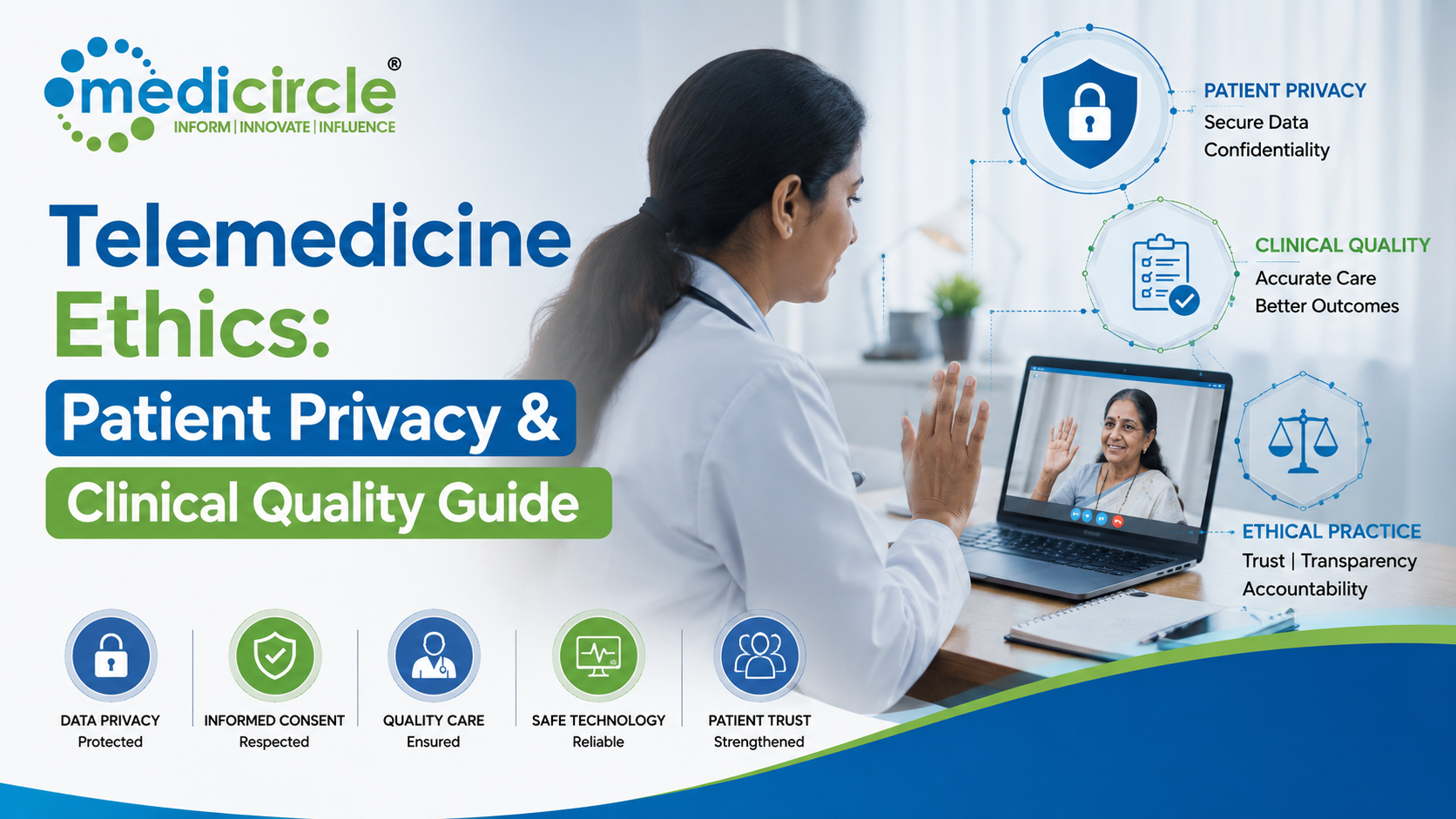
 The rapid integration of virtual consultations into mainstream healthcare delivery has transformed how patients access medical expertise. What began as an emergency stopgap during global health crises has evolved into a permanent, highly convenient pillar of modern clinical practice.




The rapid integration of virtual consultations into mainstream healthcare delivery has transformed how patients access medical expertise. What began as an emergency stopgap during global health crises has evolved into a permanent, highly convenient pillar of modern clinical practice. Through high-speed video links, digital prescription tools, and connected diagnostic devices, virtual care breaks down geographic barriers, reduces transit times for rural populations, and streamlines routine follow-ups. However, this shift from the traditional physical examination room to digital interfaces introduces complex ethical challenges that healthcare providers, administrators, and policy developers must carefully navigate.
At the heart of telehealth ethics lies a delicate balance: expanding medical access and operational convenience while safeguarding the core principles of the Hippocratic Oath. Virtual consultations alter traditional doctor-patient dynamics, introducing unique risks regarding digital data privacy, informed consent, diagnostic limitations, and boundaries of professional liability. As health systems transition to hybrid care models, establishing clear ethical guidelines is essential for protecting patient welfare, maintaining diagnostic precision, and preserving public trust in digital healthcare platforms.
1. The Core Pillars of Digital Health Ethics
Ethical medical practice rests on four primary principles: autonomy, beneficence, non-maleficence, and justice. In virtual consultations, these foundational concepts take on distinct technological dimensions.
A. Patient Autonomy and Digital Informed ConsentAutonomy requires that patients have full authority over their healthcare decisions, which begins with transparent informed consent. In a virtual setting, obtaining consent involves more than simply having a patient click "agree" to a terms-of-service document. Clinicians must explicitly inform patients about:
- The specific technical limitations of a virtual examination compared to a hands-on physical assessment.
- The security measures used to protect video streams, audio feeds, and electronic medical records.
- The risk of unforeseen connection drops or data breaches on third-party digital networks.
- Alternative options for in-person evaluations if the virtual session proves insufficient for an accurate diagnosis.
The principle of non-maleficence ("first, do no harm") requires clinicians to recognize the diagnostic limitations of remote interactions. While virtual consultations are ideal for managing chronic conditions, reviewing lab results, or addressing mild dermatological complaints, relying solely on a video feed for acute abdominal pain, complex neurological symptoms, or severe respiratory distress can lead to diagnostic missteps. Ethically, a physician must be willing to pause a virtual session and redirect a patient to an emergency department or local clinic whenever a physical examination is clinically necessary.
C. Distributive Justice and Digital Health EquityThe ethical principle of justice demands that medical advances be distributed fairly across society. While telemedicine is often praised for expanding access, an over-reliance on complex digital platforms can inadvertently exclude vulnerable populations—such as low-income households, elderly individuals, or residents in remote areas with limited internet infrastructure. Ethical telehealth design requires creating accessible, low-bandwidth interfaces, multi-lingual audio options, and community-assisted consultation hubs to prevent the "digital divide" from widening existing health disparities.
2. Navigating Patient Privacy, Data Security, and Regulatory Compliance
Maintaining patient privacy is a critical ethical and legal responsibility in virtual care. Unlike the soundproof walls of a traditional clinic, digital consultations process sensitive health data across video platforms, cloud servers, and remote mobile devices.
A. Encrypted Communication and System IntegrityEthical virtual care requires the use of secure, clinical-grade telemedicine platforms featuring end-to-end encryption (such as AES 256-bit protocols) that comply with national data protection laws, such as the Health Insurance Portability and Accountability Act (HIPAA) or India's Digital Personal Data Protection (DPDP) Act. Conducting consultations over unsecured commercial social media apps or basic video calls exposes sensitive patient interactions to unauthorized interception, violating professional confidentiality standards.
B. Securing Both Ends of the ConsultationData security involves more than just software encryption; it also requires managing the physical environment on both sides of the screen.
Physicians must conduct virtual visits from private, soundproof offices, utilizing noise-canceling headsets to prevent unauthorized individuals from overhearing clinical discussions. Similarly, clinicians should gently advise patients to join calls from private spaces, away from household members or smart home speakers that could record conversations.
C. Explicit Data Ownership and Consent GatewaysModern digital health infrastructure—such as India's Ayushman Bharat Digital Mission (ABDM)—uses consent-manager architectures to protect data privacy. Under these models, a patient's historical medical files, lab reports, and e-prescriptions cannot be accessed arbitrarily by a platform or provider. The system requires an explicit, digital authorization request sent to the patient's mobile device, allowing them to specify what information is shared and for how long. Honoring these digital boundaries is a core component of modern clinical ethics.
3. Maintaining Clinical Quality and the Boundaries of Remote Care
To protect clinical quality during virtual consultations, health systems must establish clear professional boundaries regarding what can—and cannot—be safely managed online.
A. Standard of Care ParityA foundational legal and ethical rule in telemedicine is standard of care parity: the quality of care provided during a virtual consultation must match the standard expected during an in-person visit. A physician cannot excuse a missed diagnosis or incomplete medical history simply because the interaction occurred over a digital screen. If a condition requires physical palpation, auscultation with a stethoscope, or detailed anatomical inspection that camera resolution cannot provide, the clinician is ethically obligated to advise an in-person follow-up.
B. Prescription Ethics and Antibiotic StewardshipPrescribing medications virtually requires careful clinical judgment. While renewing long-term maintenance prescriptions for controlled conditions like hypertension or hypothyroidism is straightforward online, issuing first-time prescriptions for high-risk medications—such as controlled substances, strong sedatives, or broad-spectrum antibiotics—demands caution.
Empirical prescribing of antibiotics over video calls without diagnostic confirmation contributes to global antimicrobial resistance and risks missing underlying conditions, making strict prescription protocols essential for virtual care platforms.
4. Preventing Clinician Burnout and Maintaining Human Connection
While much of the discussion around virtual care ethics focuses on patient safety, protecting the well-being of healthcare providers is equally important. The rapid adoption of digital health tools has introduced new sources of professional stress that can impact care quality over time.
A. Overcoming "Screen Fatigue" and Diagnostic DepersonalizationConducting back-to-back virtual visits requires continuous visual focus and intense cognitive effort as clinicians interpret subtle cues through low-resolution video feeds. This constant screen time can lead to digital fatigue and depersonalization, making interactions feel transactional. To maintain empathetic, patient-centered care, health systems should structure virtual schedules with reasonable daily limits, short rest breaks, and a healthy balance between online and in-person clinical shifts.
B. Establishing Digital Availability BoundariesThe 24/7 nature of mobile apps and patient portals can blur the line between professional work and personal time, creating the expectation that doctors are always available to answer messages immediately. Health platforms must establish clear communication boundaries by setting expected response times, utilizing automated after-hours messaging, and providing clear emergency contacts. Protecting physicians from continuous digital demands helps prevent burnout and preserves high clinical standards during working hours.
10 Frequently Asked Questions (FAQs)
Q1. What does "standard of care parity" mean in virtual consultations?Standard of care parity means that a physician is held to the same high clinical, diagnostic, and ethical standards during a virtual consultation as they would be during an in-person visit. The medium of delivery does not lower the legal or professional expectations for medical accuracy and patient safety.
Q2. Is it ethical for a doctor to record a virtual consultation for medical records?Yes, but only if the clinician obtains explicit, documented consent from the patient prior to recording. The recording must then be stored in a secure, encrypted medical records system that complies with relevant national health data privacy laws.
Q3. How should a physician handle a situation where a virtual examination proves inadequate?If a video consultation does not provide sufficient clarity to make a safe diagnosis, the physician is ethically required to inform the patient, document the limitation in their clinical notes, and refer the patient to a physical clinic or local emergency facility for an in-person assessment.
Q4. What encryption standards are required to protect virtual patient consultations?Clinical video platforms should utilize bank-grade, end-to-end encryption protocols (such as AES 256-bit encryption). Unencrypted commercial consumer apps should be avoided for clinical visits to protect patient confidentiality and prevent data breaches.
Q5. Can controlled substances be ethically prescribed during a first-time virtual visit?In most jurisdictions, prescribing controlled substances (such as potent narcotics or strong sedatives) during an initial, online-only interaction is strictly regulated or prohibited. An in-person physical evaluation is generally required before initiating high-risk medication therapies.
Q6. How do digital health platforms protect patient autonomy regarding their health records?Digital platforms preserve autonomy through consent-manager frameworks. These systems require providers to send formal, digital access requests to the patient's mobile device, allowing the patient to grant, limit, or revoke access to their medical files at any time.
Q7. What steps can doctors take to maintain a personal connection during virtual visits?Physicians can enhance digital rapport by maintaining direct eye contact with the camera, speaking clearly at a measured pace, minimizing visible typing during conversation, and explicitly confirming that the patient feels heard and understood despite the screen distance.
Q8. How do digital health guidelines prevent the exclusion of populations with limited tech access?Ethical digital health frameworks promote health equity by encouraging platforms to offer low-bandwidth video options, telephone-based audio channels, interfaces in regional languages, and community-assisted virtual access centers in underserved rural areas.
Q9. What are the main privacy risks associated with patients joining calls from home?Patients joining calls from home may inadvertently expose clinical discussions to household members or unencrypted smart home devices. Physicians should remind patients at the start of a session to join from a private, quiet room to protect their personal privacy.
Q10. Why is antibiotic stewardship particularly challenging in virtual care settings?Virtual care can create pressure to issue quick prescriptions without physical diagnostic confirmation. Prescribing broad-spectrum antibiotics over video feeds without verifying viral versus bacterial causes contributes to drug resistance, making verified diagnostic testing essential before prescribing.
5. Conclusion: Building an Ethical Foundation for Digital Health
The expansion of telemedicine offers immense potential to make healthcare more accessible, efficient, and patient-centered. However, fulfilling this promise requires a firm commitment to clinical ethics and privacy protections. Virtual care should enhance, rather than replace, the foundational values of the doctor-patient relationship.
By utilizing secure, encrypted platforms, respecting patient data consent, adhering to standard-of-care parity, and establishing healthy digital boundaries for clinicians, health systems can build a resilient virtual care model. Adopting these ethical frameworks ensures that modern digital health platforms expand access while continuing to deliver safe, compassionate, and high-quality medical care for every patient.





-23-300x250.png)

.jpeg)


.jpg)
.jpg)
.jpg)
.jpg)
.jpg)
.jpg)
.jpg)
.jpg)
.jpg)