Sunday, October 25, 2026
 The modern healthcare ecosystem is undergoing its most profound structural evolution in a century. For generations, medical systems operated primarily on a reactive, episodic model: patients sought treatment only after symptoms became unmanageable, relying heavily on localized physical clinics and fragmented paper records.




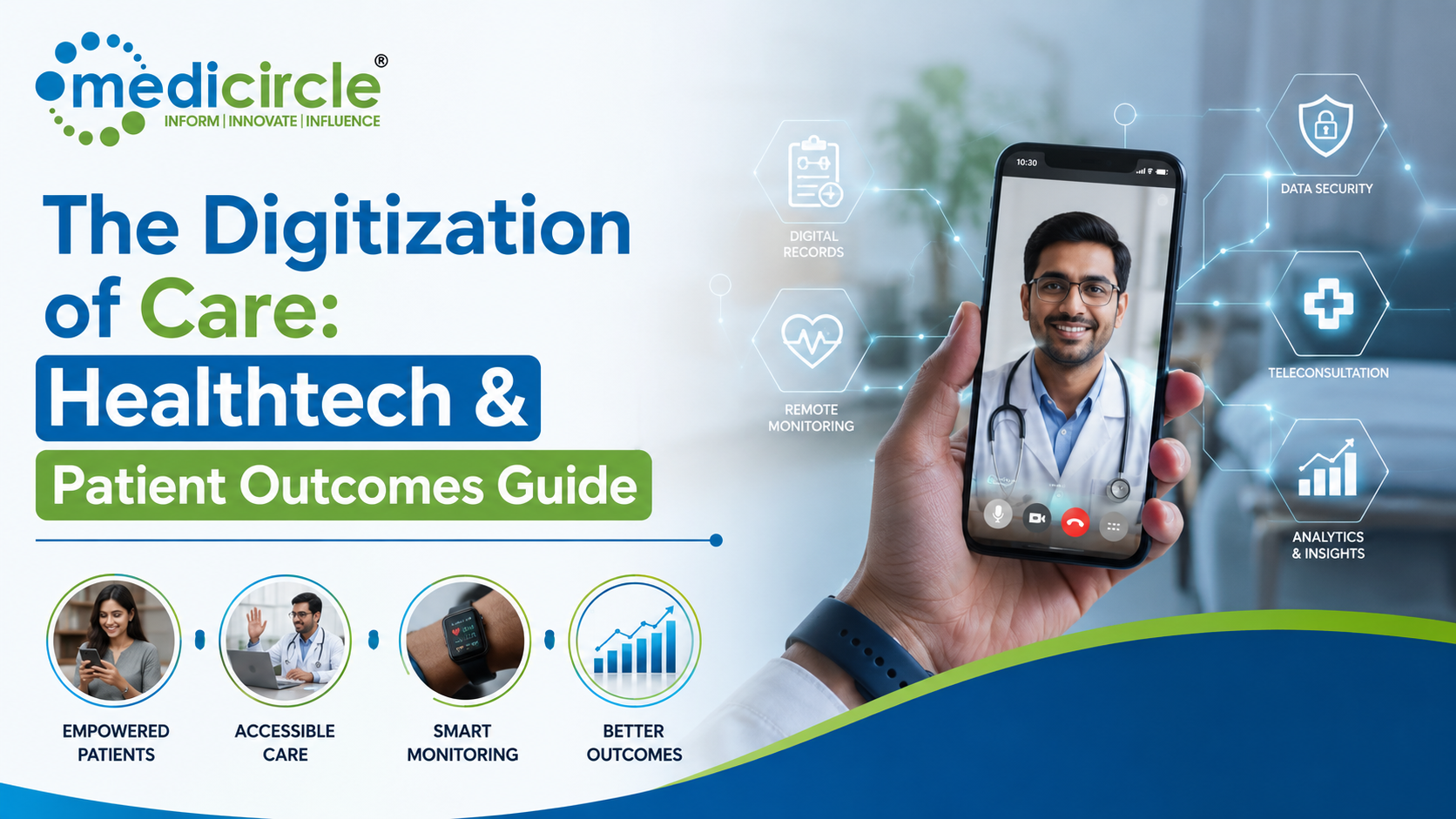
The modern healthcare ecosystem is undergoing its most profound structural evolution in a century. For generations, medical systems operated primarily on a reactive, episodic model: patients sought treatment only after symptoms became unmanageable, relying heavily on localized physical clinics and fragmented paper records. Today, the global integration of artificial intelligence, remote patient monitoring, digital self-management applications, and nationwide health identity registries is creating a proactive, continuous, and patient-centered model of wellness. This shift toward the digitization of care is fundamentally redefining how diseases are diagnosed, managed, and prevented.
As chronic conditions like diabetes, cardiovascular diseases, and hypertension increase worldwide, traditional brick-and-mortar facilities face mounting pressure from workforce shortages and rising operational costs. In response, digital health solutions are stepping in to bridge critical accessibility gaps, empower individuals to take charge of their own health, and optimize clinical workflows for physicians. This comprehensive guide explores the multi-layered impact of healthtech innovations, analyzing how the digitization of care improves clinical precision, lowers hospitalization rates, and builds a sustainable model for global healthcare delivery.
1. The Modern Healthcare Paradigm Shift: From Reactive Treatment to Proactive Engagement
The transition from episodic, facility-bound treatment to decentralized, continuous care represents the core ethos of modern healthtech. Historical clinical models placed the physician at the absolute center of every decision, leaving patients as passive recipients of periodic advice. Under this traditional dynamic, critical health trends occurring between annual check-ups went unnoticed until acute complications arose.
Through the digitization of care, patient engagement has moved from episodic clinic visits to daily, continuous interaction. Digital self-management applications, smart wearables, and connected diagnostic devices allow individuals to track physiological parameters like blood glucose, blood pressure, oxygen saturation, and heart rate variability in real time. When patients gain immediate access to their biological metrics, their compliance with medication schedules, dietary guidelines, and exercise routines increases significantly.
Furthermore, continuous data collection provides clinical teams with a clear view of a patient's health trajectory. Rather than relying on a single, isolated blood pressure reading taken in a high-stress clinic setting, doctors can review multi-week trends captured during normal daily life. This transition to data-driven, proactive care enables early clinical interventions, preventing minor physiological spikes from escalating into emergency hospitalizations.
2. Core Technological Pillars Driving the Digitization of Care
The overarching framework of healthtech relies on several interconnected technological pillars that work together to streamline medical information and improve patient care.
A. Electronic Health Records (EHRs) and Interoperable Health RegistriesDigital health records replace fragmented paper files with unified, accessible medical profiles. Advanced national initiatives—such as India's Ayushman Bharat Digital Mission (ABDM)—demonstrate how centralized digital architectures streamline healthcare access. By establishing unique digital health IDs, comprehensive Healthcare Professionals Registries (HPR), and Health Facility Registries (HFR), interoperable systems allow clinical data to move securely between primary clinics, diagnostic laboratories, and tertiary care centers. This seamless flow of information ensures that attending physicians can instantly review past diagnoses, active prescriptions, and known allergies, significantly reducing medical errors and duplicate testing.
B. Telemedicine and Virtual Consultation EcosystemsTelemedicine has evolved from an emergency pandemic stopgap into a permanent pillar of modern clinical practice. Platform solutions enable virtual consultations that remove geographic barriers for rural, elderly, and mobility-impaired populations. Major public implementations, such as the e-Sanjeevani platform operated by the Ministry of Health and Family Welfare in India, highlight how virtual care scales across diverse demographics. Operating through direct doctor-to-patient modules (e-Sanjeevani OPD) and facility-to-facility models (e-Sanjeevani AB-HWC), telemedicine connects peripheral health posts directly with specialist physicians, democratizing access to expert medical advice.
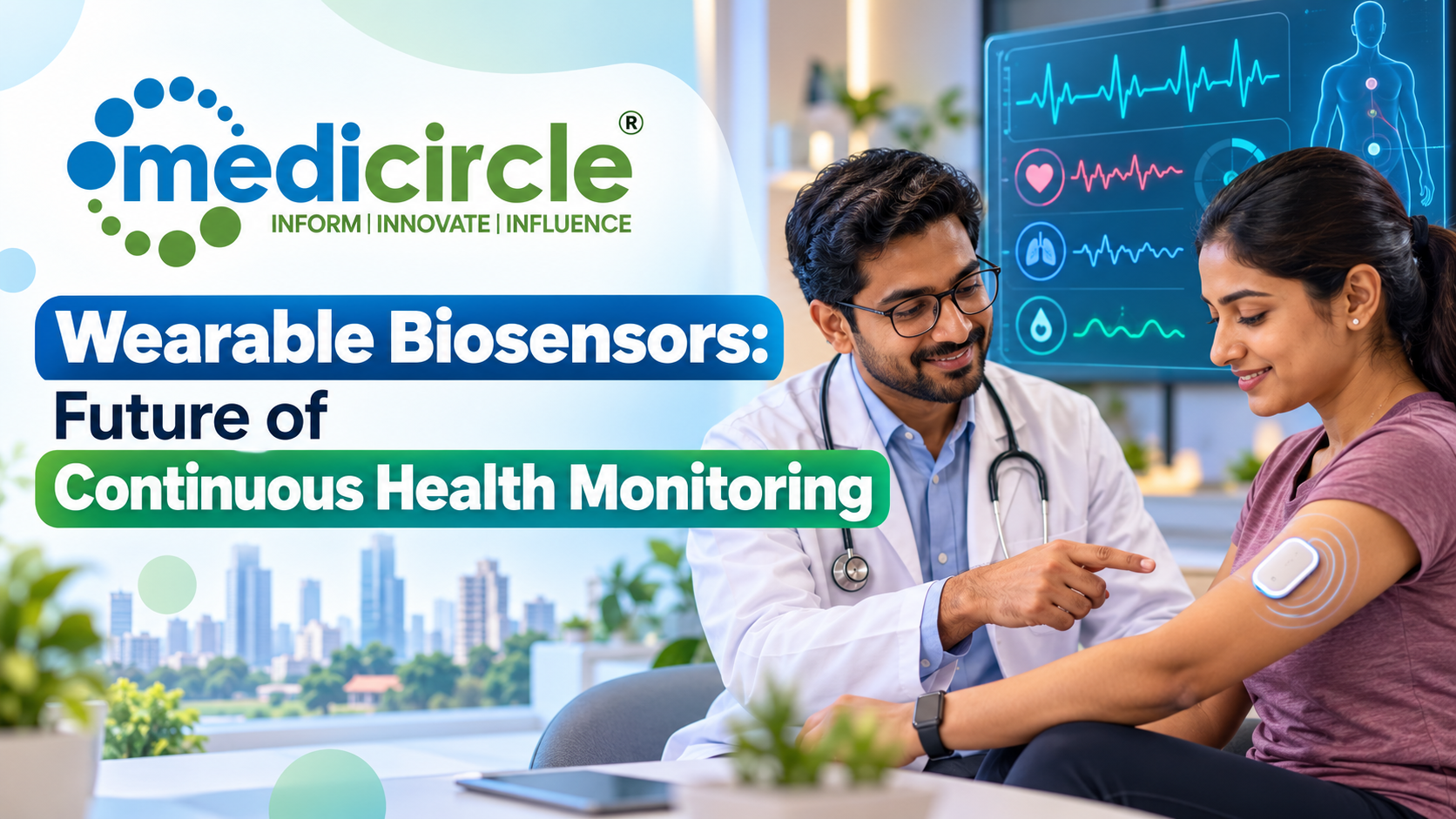
C. Wearable Medical Devices and Remote Patient Monitoring (RPM)Remote Patient Monitoring (RPM) utilizes clinical-grade sensors and wearable devices to track vital signs outside the hospital environment. Modern wearables passively monitor key health indicators, such as continuous glucose levels, heart rhythms via single-lead ECGs, and sleep architecture. These devices automatically flag dangerous physiological anomalies—such as nocturnal hypoglycemia or atrial fibrillation—and alert clinical teams to intervene immediately, protecting patients in high-risk categories.
D. Artificial Intelligence and Predictive AnalyticsArtificial intelligence (AI) serves as the analytical engine driving the digitization of care. Machine learning algorithms process vast amounts of unstructured clinical data, medical imaging, and genetic profiles to identify subtle patterns that human observers might overlook. From screening mammograms in radiology to predicting sepsis onset in intensive care units, AI-driven predictive analytics help clinicians intervene early, tailor personalized treatment plans, and optimize health outcomes.
3. Digital Self-Management Tools: Empowering Patients in Chronic Disease Management
Chronic conditions—including Type 2 diabetes, hypertension, asthma, and chronic kidney disease—require continuous, daily management. Digital self-management tools give patients the knowledge, tracking capabilities, and behavioral feedback needed to manage these long-term conditions effectively.
Interactive Mobile Health ApplicationsMobile health (mHealth) applications act as digital health companions, transforming complex medical guidelines into manageable daily routines. Key features of effective self-management applications include:
- Automated medication reminders that help patients adhere to complex, multi-drug regimens.
- Integrated dietary logs that calculate carbohydrate loads and calorie counts, helping users make informed nutrition choices.
- Symptom tracking journals that record daily pain scores, fatigue levels, or blood pressure readings to share during medical reviews.
- Educational modules that improve health literacy by explaining disease progression and lifestyle adjustments in simple language.
Sustaining lifestyle changes over time can be challenging for many patients. Modern self-management platforms incorporate behavioral economics, using daily streak counts, milestone badges, and personalized reminders to keep users motivated. By turning health tracking into an engaging, interactive routine, these platforms help users build lasting habits, such as meeting daily step goals, staying hydrated, or taking medications on time.
Closed-Loop Feedback NetworksAdvanced digital self-management tools do more than just record static numbers; they provide immediate, actionable feedback. For example, when a patient with Type 2 diabetes logs an unusually high post-meal blood glucose reading, a smart health app can immediately offer personalized advice, such as suggesting a short walk or calculating a corrective insulin dose based on their physician's pre-approved guidelines. This immediate guidance helps patients make safe, real-time adjustments, reducing the stress associated with managing chronic illness.
4. National Infrastructure & Policy Blueprints: The Indian Digital Health Experience
Analyzing large-scale national implementations provides valuable real-world context for how the digitization of care operates at a population level. India's public health technology ecosystem offers a compelling case study in building inclusive, scalable digital health infrastructure.
The Ayushman Bharat Digital Mission (ABDM) BlueprintLaunched to build a unified digital health infrastructure, the Ayushman Bharat Digital Mission (ABDM) integrates healthcare service providers and citizens through standardized digital identity frameworks.
- Ayushman Bharat Health Account (ABHA): A unique, 14-digit identifier that allows citizens to store and share verified medical records across clinics, hospitals, and diagnostic labs nationwide. By early 2025, over 73 crore ABHA accounts had been successfully created, with women accounting for nearly half (49.15%) of total account holders.
- Healthcare Professionals Registry (HPR): A comprehensive, verified database of over 500,000 registered medical professionals across modern and traditional systems of medicine, protecting patients from unverified providers.
- Health Facility Registry (HFR): A centralized digital directory linking public hospitals, private clinics, diagnostic centers, and pharmacies into a single searchable network.
- Unified Health Interface (UHI): An open, interoperable network protocol that allows patients to book appointments, schedule teleconsultations, and access health services across different software applications seamlessly.
- Digital Health Incentive Scheme (DHIS): A financial incentive framework that encourages hospitals, laboratories, and healthtech startups to adopt digital records, helping accelerate the transition to a paperless healthcare system.
Expanding on the lessons learned from large-scale digital platforms during global health crises, the Ministry of Health and Family Welfare introduced the U-WIN portal to digitize vaccination services nationwide. Designed to track immunization schedules for pregnant women and children from birth to 17 years under the Universal Immunization Programme, U-WIN provides anywhere-access digital records. By late 2024, the platform had registered over 7.43 crore beneficiaries, logged 27.77 crore administered vaccine doses, and issued QR-based e-vaccination certificates across 11 regional languages, demonstrating how targeted digital infrastructure can strengthen maternal and child health outcomes.
5. Physician Perspectives & Alleviating Burnout: Insights from Global Medical Networks
While patient empowerment is a primary driver of digital health adoption, the success of the digitization of care also depends on its impact on doctors, nurses, and allied healthcare professionals. Clinical burnout remains a significant global challenge, driven by heavy administrative paperwork, documentation demands, and back-office inefficiencies.
Data and discussions from physician networks, such as Sermo's global community of verified healthcare professionals, highlight how doctors view digital transformation.
Adoption and Endorsement of Telemedicine and RPMPhysician attitudes toward remote care tools have shifted dramatically in recent years. Surveys show that 83% of healthcare providers endorse the use of telemedicine and remote patient monitoring, a significant increase from 73% prior to the pandemic. Clinicians highlight several key benefits, including:
- Significant drops in chronic disease markers like HbA1c and resting blood pressure among monitored patients.
- Reductions in missed appointments and improved follow-up rates for post-operative care.
- Faster access to real-time patient data, enabling quicker medication adjustments without requiring in-person clinic visits.
However, physician perspectives also reflect practical concerns about maintaining a healthy work-life balance. In Sermo polls regarding the long-term impact of telemedicine on doctor-patient relationships, 31% of surveyed physicians felt virtual visits enhanced communication and accessibility, 39% worried it could reduce personal connections or trust, and 19% anticipated minimal change beyond added convenience. Family medicine practitioners often emphasize that while virtual access improves follow-up convenience, health systems must establish clear communication boundaries to prevent the expectation that doctors are available 24/7.
Easing Administrative Load through AI AutomationA major area where physicians welcome digital support is administrative automation. Integrating ambient AI scribes, automated claims processing, and smart transcription tools into electronic health records helps reduce the hours doctors spend typing notes. By reducing routine paperwork, AI automation gives physicians more time to engage directly with their patients during consultations, helping lower clinical exhaustion and improve job satisfaction.
6. Overcoming Implementation Challenges: Data Privacy, Digital Divide, and Interoperability
Despite the clear benefits of the digitization of care, scaling healthtech solutions globally involves addressing complex technical, regulatory, and social challenges.
A. Data Privacy, Cybersecurity, and Patient TrustHealthcare data is highly sensitive, making medical institutions prime targets for cyberattacks and ransomware. Storing health information across mobile apps, cloud servers, and connected wearables increases security risks. To maintain patient trust, healthtech platforms must implement robust cybersecurity measures, including AES 256-bit encryption, strict access controls, and compliance with data privacy regulations such as HIPAA or India's Digital Personal Data Protection Act.
B. The Digital Divide and Health EquityThe benefits of digital health cannot be fully realized if advanced tools remain accessible only to tech-savvy or affluent urban populations. Individuals living in low-income urban areas or remote rural communities often face barriers like spotty internet coverage, limited smartphone ownership, or lower digital literacy. Addressing these disparities requires inclusive design strategies:
- Building offline-first applications that can buffer data locally and sync automatically when a connection becomes available.
- Offering voice-assisted interfaces in regional languages to support users with low literacy skills.
- Creating community-assisted digital access points, such as Ayushman Arogya Mandirs, where trained health workers help citizens access digital services.
A common operational hurdle in digital healthcare is data fragmentation. When a patient's diagnostic imaging, pharmacy records, and primary care charts are stored in incompatible software formats, medical teams face incomplete patient profiles. Overcoming these data silos requires universal adoption of open communication protocols, such as Fast Healthcare Interoperability Resources (FHIR) and open API frameworks, ensuring different healthcare systems can share information securely and efficiently.
7. The Future Outlook: Value-Based Care and AI-Driven Personalization
Looking ahead, the digitization of care is set to accelerate, driven by developments in artificial intelligence, genomic data integration, and value-based care models.
Transitioning to Value-Based Healthcare (VBHC)Traditional fee-for-service healthcare models reward the volume of procedures and office visits performed, regardless of patient outcomes. Digital transformation enables a smoother transition toward Value-Based Healthcare (VBHC), which aligns financial incentives with patient health outcomes, treatment quality, and long-term recovery. By leveraging continuous remote monitoring, predictive analytics, and digital self-management tools, healthcare providers can reduce hospital readmission rates, prevent chronic disease complications, and lower overall treatment costs.
Precision Medicine and Generative AIAs processing power grows and machine learning models advance, treatment plans will become increasingly personalized. By combining real-time vital sign data from wearables with an individual's genetic profile, lifestyle metrics, and historical health records, AI systems will assist clinicians in prescribing targeted therapies with higher success rates and fewer side effects. From automated diagnostic imaging reviews to personalized digital coaching, healthtech innovations will continue to enhance clinical decision-making while keeping the patient at the center of care.
10 Frequently Asked Questions (FAQs)
Q1. What does the term "digitization of care" mean in modern healthcare?The digitization of care refers to integrating digital technologies—such as electronic health records, telemedicine, artificial intelligence, remote monitoring devices, and mobile health apps—into clinical workflows and daily patient care to improve healthcare access, efficiency, and medical outcomes.
Q2. How do digital self-management tools help individuals managing chronic illnesses?Digital self-management tools give patients real-time tracking capabilities for vital metrics like blood pressure and glucose levels, automated medication reminders, and actionable lifestyle feedback. These features help users adhere to treatment plans, recognize symptoms early, and make informed daily health choices.
Q3. What is the Ayushman Bharat Digital Mission (ABDM), and what are its main features?The ABDM is an initiative launched by the Government of India to establish a unified national digital health infrastructure. Its key features include the unique Ayushman Bharat Health Account (ABHA) ID for citizens, the Healthcare Professionals Registry (HPR), the Health Facility Registry (HFR), and the Unified Health Interface (UHI) for seamless service delivery.
Q4. How does Remote Patient Monitoring (RPM) reduce hospital readmissions?Remote Patient Monitoring uses clinical-grade sensors and wearables to track patient vitals outside the hospital setting. When abnormal health trends or physiological spikes are detected, the system alerts the care team immediately, enabling early adjustments to medications before complications require emergency hospitalization.
Q5. Are virtual doctor consultations as effective as in-person clinic visits?Research indicates that virtual consultations are highly effective for routine follow-ups, mental health sessions, prescription renewals, and chronic disease management. However, physical, in-person examinations remain essential for acute trauma, complex surgical evaluations, and detailed hands-on procedures.
Q6. How does artificial intelligence support doctors without replacing human clinical judgment?AI tools process large volumes of clinical data, medical images, and lab results to flag subtle patterns and automate administrative tasks like clinical notes. This intelligence acts as a supportive tool, giving physicians clearer insights while leaving final diagnostic and treatment decisions to human medical judgment.
Q7. What is the function of the U-WIN platform in public healthcare?The U-WIN portal is a digital system developed by India's Ministry of Health and Family Welfare to manage vaccination records for pregnant women and children up to 17 years of age under the Universal Immunization Programme, offering automated SMS reminders and QR-verified digital certificates.
Q8. How do digital health solutions help reduce doctor burnout?By automating routine administrative tasks—such as appointment scheduling, clinical documentation, and insurance claims processing—healthtech tools reduce the administrative load on physicians, allowing them to spend more focused, quality time caring for patients.
Q9. What security measures protect patient data on mobile health platforms?Reputable digital health platforms utilize end-to-end encryption (such as AES 256-bit protocols), secure cloud environments, multi-factor authentication, and consent-based data management models that comply with national privacy laws to protect sensitive patient records.
Q10. How do digital health platforms address challenges in areas with limited internet access?To ensure equitable access in remote or low-connectivity regions, digital health platforms incorporate offline caching modes, SMS-based alerts, regional language interfaces, and community-assisted access centers staffed by trained healthcare workers.
8. Conclusion: Embracing the Future of Patient-Centered Healthcare
The digitization of care represents a fundamental, positive transformation in global healthcare delivery. By connecting electronic health registries, artificial intelligence, remote patient monitoring, and intuitive self-management tools, healthtech bridges physical access barriers and empowers individuals to take an active role in their own wellness.
While challenges around cybersecurity, digital equity, and system interoperability require continued focus and investment, the ongoing digital transformation offers a clear pathway toward a more efficient, accessible, and personalized healthcare system. Embracing these technological innovations allows healthcare providers, policymakers, and patients to work together toward a healthier, data-driven future.





-23-300x250.png)

.jpeg)


.jpg)
.jpg)
.jpg)
.jpg)
.jpg)
.jpg)
.jpg)
.jpg)
.jpg)