Tuesday, October 27, 2026
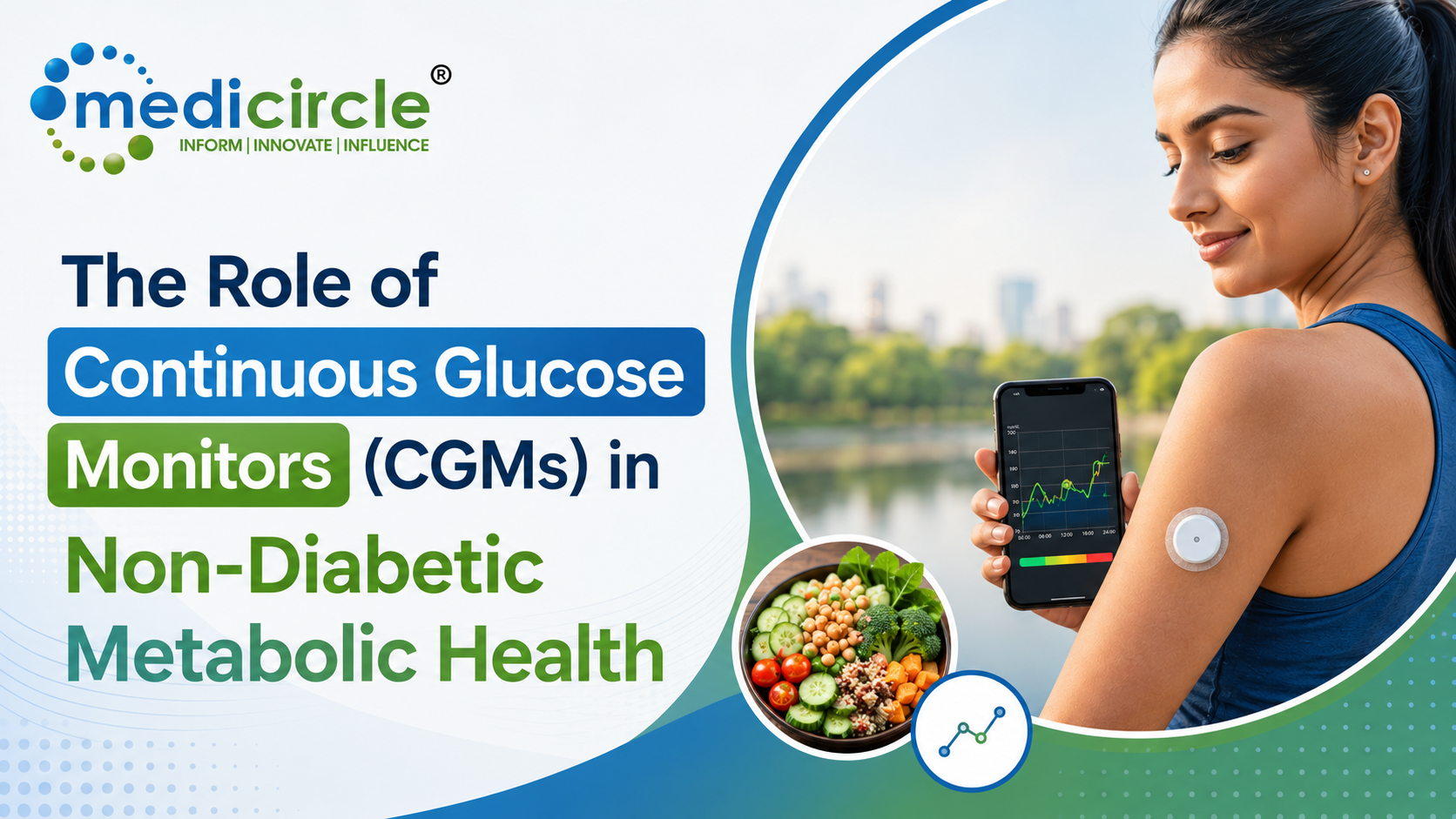
 Preventive medicine is undergoing a major transformation, moving beyond traditional single-point blood sugar tests toward continuous metabolic monitoring. Continuous Glucose Monitors (CGMs) now provide real-time insights into glucose fluctuations, helping healthy individuals better understand how food, exercise, sleep, and stress affect their metabolic health.




The field of preventive medicine is experiencing a massive paradigm shift. Historically, blood sugar tracking was strictly a reactive intervention reserved for patients already diagnosed with Type 1 or Type 2 diabetes. Standard health checks for healthy populations relied entirely on static, single-point-in-time lab tests like fasting blood glucose or Hemoglobin A1c (HbA1c).
In 2026, healthcare is shifting rapidly toward proactive metabolic optimization. Clinical studies indicate that waiting for fasting blood sugar to spike is a lagging indicator of metabolic decline. Long before the pancreas exhausts its insulin-producing capacity, individuals experience subclinical metabolic dysfunction marked by severe glucose variability (sharp spikes and crashes) and hidden insulin resistance.
The integration of continuous glucose monitors (CGMs) in non-diabetic populations has emerged as a powerful tool to bridge this diagnostic gap. By translating continuous, real-time biological data from interstitial fluid into visible trends, CGMs provide a highly personalized window into systemic metabolic health. This technology allows users to intercept cellular stress years before the onset of chronic disease.
1. Uncovering the Truth Behind Glucose Variability
A major revelation of continuous monitoring in healthy populations is that two individuals can experience completely different glycemic responses to the exact same food.
Standard dietary guidelines often treat carbohydrates uniformly, assigning fixed glycemic index scores to foods. However, CGM data demonstrates that individual glucose responses are highly variable, influenced by genetics, physical fitness, sleep quality, and gut microbiome composition.
[ THE LAGGING LAB BIAS ] [ THE REAL-TIME CGM ADVANTAGE ]
┌──────────────────────────────┐ ┌──────────────────────────────┐
│ • Measures static endpoints │ │ • Tracks continuous curves │
│ • Misses post-meal spikes │◄─────►│ • Exposes acute variability │
│ • Delays preventative action │ │ • Quantifies lifestyle cost │
└──────────────────────────────┘ └──────────────────────────────┘
A patient can present with a perfectly normal HbA1c of 5.2% and a healthy fasting glucose of 88 mg/dL, yet routinely spike above 160 mg/dL after eating refined carbohydrates. These transient, hidden surges are known as postprandial glycemic excursions.
Because traditional finger-prick tests or biannual blood draws completely miss these temporary spikes, the underlying cellular damage goes unnoticed. Chronic glucose variability triggers systemic oxidative stress, endothelial (blood vessel lining) dysfunction, and low-grade vascular inflammation, significantly elevating long-term cardiovascular risks even in non-diabetic individuals.
2. Real-Time Biofeedback: Connecting Lifestyle to Biology
The primary value of utilizing a CGM as a non-diabetic lies in its immediate, personalized behavioral feedback loop. It visualizes the direct, real-time metabolic cost of everyday lifestyle choices.
- Personalized Nutrition and Meal Sequencing: Instead of adopting highly restrictive, generic diets, CGM users can identify their specific metabolic trigger foods. Furthermore, the technology visualizes the power of meal sequencing. Eating fiber, healthy fats, and clean proteins before carbohydrates significantly flattens the resulting postprandial glucose curve.
- The Immediate Impact of Movement: CGMs illustrate how skeletal muscle functions as a primary engine for glucose disposal. Seeing a sharp post-meal spike flatten out immediately upon taking a brief 10-to-15-minute walk provides a powerful psychological motivator, driving long-term adherence to active habits.
- Quantifying Sleep and Stress Deprivation: Non-diabetic users are frequently surprised to observe elevated baseline glucose levels on mornings following poor sleep or during periods of acute psychological stress. This occurs because sleep deprivation and stress trigger the release of counter-regulatory hormones like cortisol and adrenaline, which directly induce transient insulin resistance and stimulate the liver to release stored glucose.
Comparative Matrix: Traditional Screening vs. Continuous Monitoring
The table below contrasts traditional, static laboratory testing with the dynamic insights delivered by continuous glucose monitoring.
|
Evaluation Metric |
Traditional Lab Panel (Glucose/HbA1c) |
Continuous Glucose Monitor (CGM) |
Metabolic Insight Delivered |
|---|---|---|---|
|
Data Collection Style |
Single point-in-time snapshot |
Continuous stream (every 5–15 minutes) |
Captures 24/7 trends, including overnight dips and post-meal peaks. |
|
Detection of Glycemic Variability |
Completely Blind; smooths over daily highs and lows. |
Excellent; quantifies the exact speed and height of glucose swings. |
Identifies acute spikes that drive oxidative stress and vascular inflammation. |
|
Early Insulin Resistance Clues |
Poor; markers stay normal for years due to pancreatic compensation. |
High; exposes prolonged post-meal delays in returning to baseline glucose. |
Highlights subclinical metabolic strain long before traditional failure thresholds. |
|
Behavioral Interventions |
Delayed; feedback arrives months later at the next clinic review. |
Immediate; real-time visual curves on a smartphone application. |
Delivers a powerful behavioral loop that reinforces positive choices. |
Actionable Strategy: Optimizing Your Metabolic Architecture
- Track Trends, Not Just Isolated Numbers: If you use a CGM for wellness optimization, avoid panicking over minor, isolated fluctuations. Focus your attention on broad, systemic trends: look to minimize your average 24-hour glucose level, reduce the height of post-meal spikes, and narrow your total glucose variability.
- Deploy the Power of Muscle Sequencing: Prioritize building and maintaining lean skeletal muscle mass through progressive resistance training. Muscle tissue accounts for the vast majority of insulin-mediated glucose uptake. Cultivating a robust muscular framework inherently improves your foundational insulin sensitivity.
- Utilize CGMs as a Short-Term Educational Mirror: For non-diabetic individuals, wearing a monitor continuously for a lifetime is rarely necessary. Utilizing a sensor for a 2-to-4-week window once or twice a year provides ample, highly personalized data to audit your dietary choices, optimize your exercise timing, and refine your long-term wellness blueprint.
Frequently Asked Questions (FAQs)
Q1. Can a continuous glucose monitor be used to officially diagnose diabetes or prediabetes?No. CGMs are highly advanced lifestyle optimization and tracking tools, but they are not certified diagnostic instruments. The formal, legal diagnosis of prediabetes or diabetes strictly requires standardized laboratory blood tests evaluated by a healthcare professional, such as a fasting plasma glucose test or an oral glucose tolerance test (OGTT).
Q2. How exactly does a CGM measure sugar levels without drawing blood continuously?A CGM does not measure blood glucose directly. Instead, the tiny, flexible sensor wire sits just underneath the skin in the subcutaneous tissue, where it measures glucose levels within the interstitial fluid (the fluid surrounding your cellular structures). Because glucose moves fluidly between capillaries and cells, interstitial measurements closely mirror blood sugar trends with a minor time lag of roughly 5 to 15 minutes.
Q3. Why would a non-diabetic person have a massive glucose spike after a seemingly healthy meal?Glucose responses are highly individual. A meal considered universally healthy—such as a large fruit smoothie, oatmeal, or whole-grain bread—can cause a sharp glycemic spike depending on your unique insulin sensitivity, genetic makeup, and gut microbiome. CGMs expose these hidden individual variations, allowing you to swap out generic advice for personalized nutrition.
Q4. Does intense exercise cause blood sugar to rise or fall on a CGM dashboard?It depends entirely on the workout intensity. Steady-state cardiovascular exercise (like jogging or cycling) typically lowers glucose levels because muscles pull sugar directly from the blood for fuel. Conversely, high-intensity anaerobic workouts (like heavy weightlifting or sprinting) trigger a stress-hormone response that signals the liver to dump stored glucose into the blood, causing a temporary spike that naturally stabilizes shortly after training.
Q5. Can wearing a CGM cause unnecessary health anxiety for a non-diabetic individual?Yes, this is a notable psychological risk. Because healthy blood sugar naturally rises and falls throughout the day in response to normal human biology, a user who lacks proper clinical context may become obsessive over minor, insignificant fluctuations. This anxiety can lead to overly restrictive eating patterns or unnecessary snacking to avoid normal glucose dips.
Q6. Are over-the-counter (OTC) wellness CGMs different from medical-grade prescription monitors?Technically, the underlying sensor mechanisms are identical. However, prescription-grade monitors are strictly regulated and integrated with automated insulin pumps or direct clinical alert systems for patient safety. Wellness-focused OTC monitors are paired with user-friendly consumer applications designed to analyze trends, score meal impacts, and guide general lifestyle habits.
Q7. Will a CGM track my systemic insulin levels?No. A CGM tracks glucose exclusively; it cannot measure circulating insulin levels. This is a critical limitation to keep in mind. If your body is producing massive, exhausting amounts of compensatory insulin to keep your blood sugar stable, your CGM screen will show a perfectly flat, healthy line, masking underlying cellular insulin resistance.
Q8. What is a "glucotype," and how does continuous tracking reveal it?A glucotype is a distinct classification of glycemic regulation based on your real-time glucose variability metrics. Clinical analytics group individuals into three primary categories: low, moderate, or severe spikers. Identifying your personal glucotype helps risk-stratify your long-term metabolic health and determines how aggressively you need to modify your carbohydrate delivery.
Q9. Are CGM systems covered by standard health insurance policies for non-diabetics?No. Because insurance models are built around treating diagnosed illnesses, policies generally do not cover the cost of continuous sensors for general wellness, fitness tracking, or preventive lifestyle optimization. Non-diabetic users typically purchase these devices out-of-pocket or through wellness program subscriptions.
Q10. How can a healthy individual maximize the long-term benefits of a short-term CGM trial?Treat your monitoring period as a structured learning experiment. Test your body's specific responses to your favorite foods, evaluate different meal sequences (eating protein before carbs), observe the metabolic difference between sedentary evenings and post-dinner walks, and document your personal baseline rules. Use those unique insights to build highly effective, sustainable habits that protect your health long after the sensor is removed.
Preventive medicine is undergoing a major transformation, moving beyond traditional single-point blood sugar tests toward continuous metabolic monitoring. Continuous Glucose Monitors (CGMs) now provide real-time insights into glucose fluctuations, helping healthy individuals better understand how food, exercise, sleep, and stress affect their metabolic health.





-23-300x250.png)

.jpeg)



.jpg)
.jpg)
.jpg)
.jpg)
.jpg)
.jpg)
.jpg)
.jpg)
.jpg)