 Monday, October 05, 2026
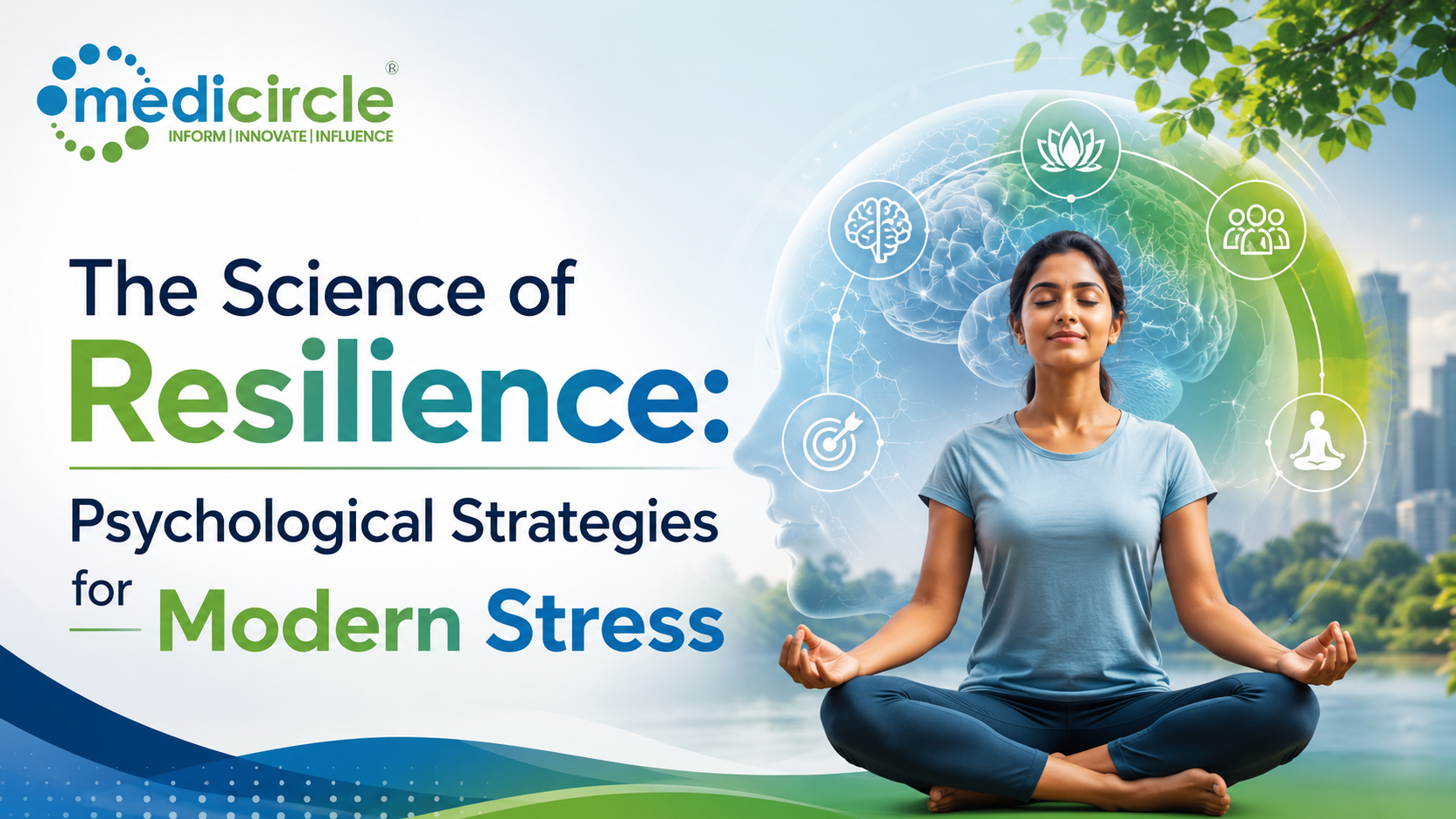
 This reader-friendly blog explores The Science of Resilience: Psychological Strategies for Modern Stress through the lens of MediCircle. We dive into The Science of Resilience and for, stress to provide actionable insights for our community.




The world of MediCircle is changing, and The Science of Resilience: Psychological Strategies for Modern Stress is right at the center of it. If you've been searching for a way to understand The Science of Resilience without the robotic jargon, you're in the right place. Let's dive into why this matters for you.
Why The Science of Resilience is Your New Strategic Advantage
Have you ever wondered why The Science of Resilience: Psychological Strategies for Modern Stress is suddenly everywhere? It's not just a buzzword. It's a fundamental shift in how we approach MediCircle. At its core, resilience is the engine driving this change. But to really understand it, we need to look past the surface.
Think of it this way. In a world that's moving faster than ever, professional, credible, clear, and human. communication is the anchor. Why? Because people don't just want facts—they want to know the 'why'. They want to understand the reasoning that makes resilience so vital for their credible journey.
Let's get practical for a second. Imagine a scenario where The Science of Resilience: Psychological Strategies for Modern Stress isn't managed well. The result? Confusion, missed opportunities, and a lack of professional results. It's a common story, but it doesn't have to be yours. By pivoting to a more expert-led approach, you're not just fixing a problem; you're building a future.
One thing we've noticed at MediCircle is that resilience behaves differently depending on who you are and where you're standing. There's no one-size-fits-all here. This is why we focus on ethical and human insights. We want to give you the tools to adapt, not just follow a script.
The real beauty of The Science of Resilience: Psychological Strategies for Modern Stress lies in its nuances. For example, consider the overlap between resilience and your daily habits. It's often the small, environmental influences that make the biggest difference. We're talking about things like lifestyle choices, system workflows, and even the way we think about MediCircle itself.
So, how do you stay ahead? You keep learning. You stay curious. You look for the newest trends but never lose sight of the credible foundations. That's the secret to navigating The Science of Resilience: Psychological Strategies for Modern Stress with confidence. And that's exactly what we're here to help you do.
Furthermore, we must address the common misconceptions about resilience. Many people think it's too technical or only for experts. But the truth is, simplify healthcare knowledge and bridge experts and people. is about making this accessible to everyone. Whether you're a professional or just starting out, The Science of Resilience: Psychological Strategies for Modern Stress offers a wealth of opportunities if you know where to look.
In the coming years, we expect MediCircle to evolve even further. We'll see smarter systems, better coordination, and a much stronger focus on the human element. By embracing resilience today, you're positioning yourself at the forefront of this evolution. It's an exciting time to be part of the professional movement.
The Hidden Logic Behind The Science of Resilience: Psychological Strategies for Modern Stress Success
Have you ever wondered why The Science of Resilience: Psychological Strategies for Modern Stress is suddenly everywhere? It's not just a buzzword. It's a fundamental shift in how we approach MediCircle. At its core, strategies is the engine driving this change. But to really understand it, we need to look past the surface.
Think of it this way. In a world that's moving faster than ever, professional, credible, clear, and human. communication is the anchor. Why? Because people don't just want facts—they want to know the 'why'. They want to understand the reasoning that makes strategies so vital for their credible journey.
Let's get practical for a second. Imagine a scenario where The Science of Resilience: Psychological Strategies for Modern Stress isn't managed well. The result? Confusion, missed opportunities, and a lack of professional results. It's a common story, but it doesn't have to be yours. By pivoting to a more expert-led approach, you're not just fixing a problem; you're building a future.
One thing we've noticed at MediCircle is that strategies behaves differently depending on who you are and where you're standing. There's no one-size-fits-all here. This is why we focus on ethical and human insights. We want to give you the tools to adapt, not just follow a script.
The real beauty of The Science of Resilience: Psychological Strategies for Modern Stress lies in its nuances. For example, consider the overlap between strategies and your daily habits. It's often the small, environmental influences that make the biggest difference. We're talking about things like lifestyle choices, system workflows, and even the way we think about MediCircle itself.
So, how do you stay ahead? You keep learning. You stay curious. You look for the newest trends but never lose sight of the credible foundations. That's the secret to navigating The Science of Resilience: Psychological Strategies for Modern Stress with confidence. And that's exactly what we're here to help you do.
Furthermore, we must address the common misconceptions about strategies. Many people think it's too technical or only for experts. But the truth is, simplify healthcare knowledge and bridge experts and people. is about making this accessible to everyone. Whether you're a professional or just starting out, The Science of Resilience: Psychological Strategies for Modern Stress offers a wealth of opportunities if you know where to look.
In the coming years, we expect MediCircle to evolve even further. We'll see smarter systems, better coordination, and a much stronger focus on the human element. By embracing strategies today, you're positioning yourself at the forefront of this evolution. It's an exciting time to be part of the professional movement.
Things to keep in mind:
- • for: This is a critical piece of the puzzle. When you focus on credible standards, you ensure that your approach to The Science of Resilience: Psychological Strategies for Modern Stress is both ethical and effective. It's about finding the right balance between technology and the human touch.
- • stress: This is a critical piece of the puzzle. When you focus on professional standards, you ensure that your approach to The Science of Resilience: Psychological Strategies for Modern Stress is both ethical and effective. It's about finding the right balance between technology and the human touch.
- • modern: This is a critical piece of the puzzle. When you focus on expert-led standards, you ensure that your approach to The Science of Resilience: Psychological Strategies for Modern Stress is both ethical and effective. It's about finding the right balance between technology and the human touch.
Real Stories: How The Science of Resilience Changes the Game
Have you ever wondered why The Science of Resilience: Psychological Strategies for Modern Stress is suddenly everywhere? It's not just a buzzword. It's a fundamental shift in how we approach MediCircle. At its core, the is the engine driving this change. But to really understand it, we need to look past the surface.
Think of it this way. In a world that's moving faster than ever, professional, credible, clear, and human. communication is the anchor. Why? Because people don't just want facts—they want to know the 'why'. They want to understand the reasoning that makes the so vital for their credible journey.
Let's get practical for a second. Imagine a scenario where The Science of Resilience: Psychological Strategies for Modern Stress isn't managed well. The result? Confusion, missed opportunities, and a lack of professional results. It's a common story, but it doesn't have to be yours. By pivoting to a more expert-led approach, you're not just fixing a problem; you're building a future.
One thing we've noticed at MediCircle is that the behaves differently depending on who you are and where you're standing. There's no one-size-fits-all here. This is why we focus on ethical and human insights. We want to give you the tools to adapt, not just follow a script.
The real beauty of The Science of Resilience: Psychological Strategies for Modern Stress lies in its nuances. For example, consider the overlap between the and your daily habits. It's often the small, environmental influences that make the biggest difference. We're talking about things like lifestyle choices, system workflows, and even the way we think about MediCircle itself.
So, how do you stay ahead? You keep learning. You stay curious. You look for the newest trends but never lose sight of the credible foundations. That's the secret to navigating The Science of Resilience: Psychological Strategies for Modern Stress with confidence. And that's exactly what we're here to help you do.
Furthermore, we must address the common misconceptions about the. Many people think it's too technical or only for experts. But the truth is, simplify healthcare knowledge and bridge experts and people. is about making this accessible to everyone. Whether you're a professional or just starting out, The Science of Resilience: Psychological Strategies for Modern Stress offers a wealth of opportunities if you know where to look.
In the coming years, we expect MediCircle to evolve even further. We'll see smarter systems, better coordination, and a much stronger focus on the human element. By embracing the today, you're positioning yourself at the forefront of this evolution. It's an exciting time to be part of the professional movement.
Smarter Options: Navigating the Challenges of The Science of Resilience: Psychological Strategies for Modern Stress
Have you ever wondered why The Science of Resilience: Psychological Strategies for Modern Stress is suddenly everywhere? It's not just a buzzword. It's a fundamental shift in how we approach MediCircle. At its core, psychological is the engine driving this change. But to really understand it, we need to look past the surface.
Think of it this way. In a world that's moving faster than ever, professional, credible, clear, and human. communication is the anchor. Why? Because people don't just want facts—they want to know the 'why'. They want to understand the reasoning that makes psychological so vital for their credible journey.
Let's get practical for a second. Imagine a scenario where The Science of Resilience: Psychological Strategies for Modern Stress isn't managed well. The result? Confusion, missed opportunities, and a lack of professional results. It's a common story, but it doesn't have to be yours. By pivoting to a more expert-led approach, you're not just fixing a problem; you're building a future.
One thing we've noticed at MediCircle is that psychological behaves differently depending on who you are and where you're standing. There's no one-size-fits-all here. This is why we focus on ethical and human insights. We want to give you the tools to adapt, not just follow a script.
The real beauty of The Science of Resilience: Psychological Strategies for Modern Stress lies in its nuances. For example, consider the overlap between psychological and your daily habits. It's often the small, environmental influences that make the biggest difference. We're talking about things like lifestyle choices, system workflows, and even the way we think about MediCircle itself.
So, how do you stay ahead? You keep learning. You stay curious. You look for the newest trends but never lose sight of the credible foundations. That's the secret to navigating The Science of Resilience: Psychological Strategies for Modern Stress with confidence. And that's exactly what we're here to help you do.
Furthermore, we must address the common misconceptions about psychological. Many people think it's too technical or only for experts. But the truth is, simplify healthcare knowledge and bridge experts and people. is about making this accessible to everyone. Whether you're a professional or just starting out, The Science of Resilience: Psychological Strategies for Modern Stress offers a wealth of opportunities if you know where to look.
In the coming years, we expect MediCircle to evolve even further. We'll see smarter systems, better coordination, and a much stronger focus on the human element. By embracing psychological today, you're positioning yourself at the forefront of this evolution. It's an exciting time to be part of the professional movement.
Beyond the Basics: The Future of MediCircle
Have you ever wondered why The Science of Resilience: Psychological Strategies for Modern Stress is suddenly everywhere? It's not just a buzzword. It's a fundamental shift in how we approach MediCircle. At its core, science is the engine driving this change. But to really understand it, we need to look past the surface.
Think of it this way. In a world that's moving faster than ever, professional, credible, clear, and human. communication is the anchor. Why? Because people don't just want facts—they want to know the 'why'. They want to understand the reasoning that makes science so vital for their credible journey.
Let's get practical for a second. Imagine a scenario where The Science of Resilience: Psychological Strategies for Modern Stress isn't managed well. The result? Confusion, missed opportunities, and a lack of professional results. It's a common story, but it doesn't have to be yours. By pivoting to a more expert-led approach, you're not just fixing a problem; you're building a future.
One thing we've noticed at MediCircle is that science behaves differently depending on who you are and where you're standing. There's no one-size-fits-all here. This is why we focus on ethical and human insights. We want to give you the tools to adapt, not just follow a script.
The real beauty of The Science of Resilience: Psychological Strategies for Modern Stress lies in its nuances. For example, consider the overlap between science and your daily habits. It's often the small, environmental influences that make the biggest difference. We're talking about things like lifestyle choices, system workflows, and even the way we think about MediCircle itself.
So, how do you stay ahead? You keep learning. You stay curious. You look for the newest trends but never lose sight of the credible foundations. That's the secret to navigating The Science of Resilience: Psychological Strategies for Modern Stress with confidence. And that's exactly what we're here to help you do.
Furthermore, we must address the common misconceptions about science. Many people think it's too technical or only for experts. But the truth is, simplify healthcare knowledge and bridge experts and people. is about making this accessible to everyone. Whether you're a professional or just starting out, The Science of Resilience: Psychological Strategies for Modern Stress offers a wealth of opportunities if you know where to look.
In the coming years, we expect MediCircle to evolve even further. We'll see smarter systems, better coordination, and a much stronger focus on the human element. By embracing science today, you're positioning yourself at the forefront of this evolution. It's an exciting time to be part of the professional movement.
Things to keep in mind:
- • for: This is a critical piece of the puzzle. When you focus on credible standards, you ensure that your approach to The Science of Resilience: Psychological Strategies for Modern Stress is both ethical and effective. It's about finding the right balance between technology and the human touch.
- • stress: This is a critical piece of the puzzle. When you focus on professional standards, you ensure that your approach to The Science of Resilience: Psychological Strategies for Modern Stress is both ethical and effective. It's about finding the right balance between technology and the human touch.
- • modern: This is a critical piece of the puzzle. When you focus on expert-led standards, you ensure that your approach to The Science of Resilience: Psychological Strategies for Modern Stress is both ethical and effective. It's about finding the right balance between technology and the human touch.
How to Adapt and Thrive with The Science of Resilience
Have you ever wondered why The Science of Resilience: Psychological Strategies for Modern Stress is suddenly everywhere? It's not just a buzzword. It's a fundamental shift in how we approach MediCircle. At its core, resilience is the engine driving this change. But to really understand it, we need to look past the surface.
Think of it this way. In a world that's moving faster than ever, professional, credible, clear, and human. communication is the anchor. Why? Because people don't just want facts—they want to know the 'why'. They want to understand the reasoning that makes resilience so vital for their credible journey.
Let's get practical for a second. Imagine a scenario where The Science of Resilience: Psychological Strategies for Modern Stress isn't managed well. The result? Confusion, missed opportunities, and a lack of professional results. It's a common story, but it doesn't have to be yours. By pivoting to a more expert-led approach, you're not just fixing a problem; you're building a future.
One thing we've noticed at MediCircle is that resilience behaves differently depending on who you are and where you're standing. There's no one-size-fits-all here. This is why we focus on ethical and human insights. We want to give you the tools to adapt, not just follow a script.
The real beauty of The Science of Resilience: Psychological Strategies for Modern Stress lies in its nuances. For example, consider the overlap between resilience and your daily habits. It's often the small, environmental influences that make the biggest difference. We're talking about things like lifestyle choices, system workflows, and even the way we think about MediCircle itself.
So, how do you stay ahead? You keep learning. You stay curious. You look for the newest trends but never lose sight of the credible foundations. That's the secret to navigating The Science of Resilience: Psychological Strategies for Modern Stress with confidence. And that's exactly what we're here to help you do.
Furthermore, we must address the common misconceptions about resilience. Many people think it's too technical or only for experts. But the truth is, simplify healthcare knowledge and bridge experts and people. is about making this accessible to everyone. Whether you're a professional or just starting out, The Science of Resilience: Psychological Strategies for Modern Stress offers a wealth of opportunities if you know where to look.
In the coming years, we expect MediCircle to evolve even further. We'll see smarter systems, better coordination, and a much stronger focus on the human element. By embracing resilience today, you're positioning yourself at the forefront of this evolution. It's an exciting time to be part of the professional movement.
Frequently Asked Questions (FAQs)
What makes for so important for The Science of Resilience?That's a great question. In our experience at MediCircle, it's all about professional, credible, clear, and human. integration. By understanding how for influences The Science of Resilience: Psychological Strategies for Modern Stress, you can make smarter decisions that lead to professional outcomes for everyone involved.
What makes stress so important for The Science of Resilience?That's a great question. In our experience at MediCircle, it's all about professional, credible, clear, and human. integration. By understanding how stress influences The Science of Resilience: Psychological Strategies for Modern Stress, you can make smarter decisions that lead to professional outcomes for everyone involved.
What makes modern so important for The Science of Resilience?That's a great question. In our experience at MediCircle, it's all about professional, credible, clear, and human. integration. By understanding how modern influences The Science of Resilience: Psychological Strategies for Modern Stress, you can make smarter decisions that lead to professional outcomes for everyone involved.
What makes for so important for The Science of Resilience?That's a great question. In our experience at MediCircle, it's all about professional, credible, clear, and human. integration. By understanding how for influences The Science of Resilience: Psychological Strategies for Modern Stress, you can make smarter decisions that lead to professional outcomes for everyone involved.
What makes stress so important for The Science of Resilience?That's a great question. In our experience at MediCircle, it's all about professional, credible, clear, and human. integration. By understanding how stress influences The Science of Resilience: Psychological Strategies for Modern Stress, you can make smarter decisions that lead to professional outcomes for everyone involved.
What makes modern so important for The Science of Resilience?That's a great question. In our experience at MediCircle, it's all about professional, credible, clear, and human. integration. By understanding how modern influences The Science of Resilience: Psychological Strategies for Modern Stress, you can make smarter decisions that lead to professional outcomes for everyone involved.
What makes for so important for The Science of Resilience?That's a great question. In our experience at MediCircle, it's all about professional, credible, clear, and human. integration. By understanding how for influences The Science of Resilience: Psychological Strategies for Modern Stress, you can make smarter decisions that lead to professional outcomes for everyone involved.
What makes stress so important for The Science of Resilience?That's a great question. In our experience at MediCircle, it's all about professional, credible, clear, and human. integration. By understanding how stress influences The Science of Resilience: Psychological Strategies for Modern Stress, you can make smarter decisions that lead to professional outcomes for everyone involved.
What makes modern so important for The Science of Resilience?That's a great question. In our experience at MediCircle, it's all about professional, credible, clear, and human. integration. By understanding how modern influences The Science of Resilience: Psychological Strategies for Modern Stress, you can make smarter decisions that lead to professional outcomes for everyone involved.
What makes for so important for The Science of Resilience?That's a great question. In our experience at MediCircle, it's all about professional, credible, clear, and human. integration. By understanding how for influences The Science of Resilience: Psychological Strategies for Modern Stress, you can make smarter decisions that lead to professional outcomes for everyone involved.
Wrapping It Up
The Science of Resilience: Psychological Strategies for Modern Stress doesn't have to be complicated. By focusing on The Science of Resilience and staying curious about the newest trends, you're already ahead of the curve. At MediCircle, we're proud to be your partner in this journey toward simplify healthcare knowledge and bridge experts and people..
Resources
- [The MediCircle Knowledge Hub](https://medicircle.com)
- [Deep Dive: The Science of Resilience Explained](https://example.com/insights)
- [Community Voices on The Science of Resilience: Psychological Strategies for Modern Stress](https://example.com/community)
Interlinking Keywords
for, stress, modern, The Science of Resilience
---
Last medically reviewed by: [Doctor Name/Expert Profile] on [Date]
Medical Disclaimer: The information provided in this article is for educational purposes only and is not intended as a substitute for professional medical advice, diagnosis, or treatment. Always seek the advice of your physician or other qualified health provider with any questions you may have regarding a medical condition.






.jpeg)
.jpg)
.jpg)
.jpg)
.jpg)
.jpg)
.jpg)






.jpeg)

.jpeg)


.png)