Tuesday, October 27, 2026
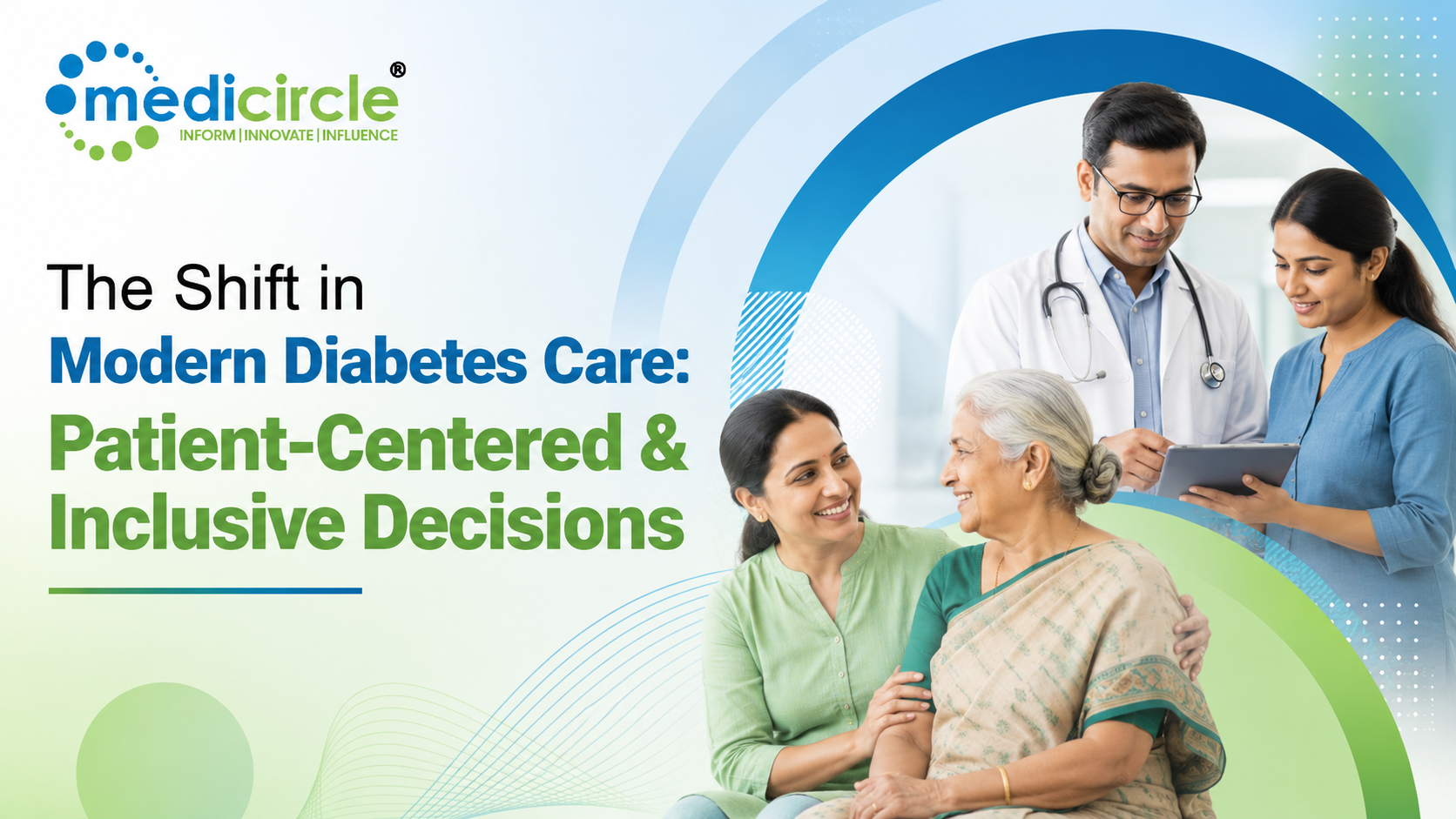
 For years, diabetes management focused primarily on lowering HbA1c levels through standardized treatment plans and strict clinical directives. Today, care is shifting toward a more personalized approach that considers each patient's lifestyle, preferences, financial situation, and long-term health goals, leading to better engagement and sustainable outcomes.




The Shift in Modern Diabetes Care: Prioritizing Patient-Centered, Inclusive Decisions
For decades, the framework of diabetes management operated under a highly clinical, top-down approach. Success was measured almost exclusively by a single laboratory metric: Hemoglobin A1c (HbA1c). Physicians would evaluate a patient's quarterly blood score and issue rigid, generalized directives—such as demanding strict carbohydrate restriction or prescribing immediate, complex medication escalations—with little regard for an individual's unique lifestyle, financial realities, or personal goals.
The updated consensus from major global institutions, including the American Diabetes Association (ADA) and the European Association for the Study of Diabetes (EASD), has completely dismantled this legacy model. Modern metabolic medicine is undergoing a profound structural evolution.
Clinical practice has transitioned away from treating numbers toward managing people. The modern blueprint prioritizes patient-centered, inclusive decisions, recognizing that long-term glycemic stability, cardiovascular protection, and psychological well-being are achieved only when treatment protocols adapt to the lived realities of the individual, rather than forcing the individual to fit into a rigid clinical box.
1. Moving Beyond Glycemic Centricity: Holistic Risk Reduction
The fundamental goal of modern diabetes care has expanded. While maintaining stable blood sugar remains a core pillar, clinical management now prioritizes global organ protection and overall quality of life.
[ THE HOLISTIC DIABETES CARE FRAMEWORK ]
│
┌─────────────────────────┼─────────────────────────┐
▼ ▼ ▼
[ CARDIO-RENAL DEFENSE ] [ HYPOGLYCEMIA SAFETY ] [ QUALITY OF LIFE METRICS ]
• Prioritizing GLP-1/SGLT2 • Minimizing insulin drops• Reducing burnout/distress
• Reducing stroke/HF risks • Flexible glucose zones • Shared choice execution
The Cardio-Renal Protection Revolution
Modern diabetes care no longer views glucose control in isolation. The selection of modern medications is now guided primarily by a patient's underlying risk for cardiovascular disease, heart failure, or chronic kidney disease (CKD), completely independent of their baseline HbA1c.
Cardio-protective medications like SGLT2 inhibitors and GLP-1 receptor agonists are prioritized early in the treatment pipeline. These therapies do not just lower blood sugar; they protect vascular networks, reduce heart failure hospitalizations, and slow down kidney decline, shifting the focus from simple glucose-lowering to comprehensive survival architecture.
De-Escalating the Fear of Hypoglycemia
Historically, pushing patients to meet generic, hyper-strict HbA1c targets (such as under 6.5% for everyone) frequently triggered severe hypoglycemia (dangerously low blood sugar events), particularly in older adults. Hypoglycemia induces acute cardiac stress, cognitive confusion, and falls.
Modern guidelines enforce personalized glycemic targets. A young, newly diagnosed adult may safely target a strict HbA1c, whereas an elderly patient with multiple comorbidities or a long history of diabetes will have a much more relaxed, safe, and flexible target to prevent dangerous glucose drops and reduce overall treatment anxiety.
2. Shared Decision-Making: The Inclusive Care Loop
An inclusive care model operates on the principle that the patient is the primary expert on their own daily habits, values, and capacity. Modern clinicians utilize a structured process called Shared Decision-Making (SDM) to construct collaborative care blueprints.
[ THE SHARED DECISION LOOP ]
CLINICAL STRATEGY PATIENT LIVED REALITY
┌─────────────────────────┐ ┌──────────────────────────┐
│ Evaluates Organ Risks │ ─────►│ Shares Financial Capacity│
│ Outlines Drug Options │ ◄─────│ Details Daily Work Shifts│
│ Reviews Safety Profiles │ │ Defines Personal Wellness│
└─────────────────────────┘ └──────────────────────────┘
Instead of simply handing a patient a standard prescription, an inclusive clinical discussion explicitly maps out multiple valid options, contrasting their pros and cons across factors that directly matter to the individual:
- Financial Capacity and Access: A highly effective modern medication delivers zero clinical value if a patient cannot afford it. Inclusive decision-making requires honest, stigma-free communication regarding drug costs, insurance coverage, and health equity to prevent prescription abandonment.
- Daily Workflow Alignment: A medication regimen that requires complex dosing multiple times a day may fail completely for a patient working erratic night shifts or handling demanding logistics. Adjusting dose timing or opting for long-acting, weekly medications ensures the treatment fits seamlessly into the patient's existing routine.
- Cultural Flexibility in Nutrition: Forcing a patient to abandon their traditional, cultural foods in favor of generic, Westernized dietary sheets is a primary cause of low long-term engagement. Inclusive nutrition focuses on cultural food preservation—working closely with the patient to adjust portion dynamics, alter meal sequencing, and optimize carbohydrate delivery without stripping away identity and joy.
3. Addressing Social Determinants of Health (SDOH)
Modern diabetes care acknowledges that clinical interventions inside a medical office account for only a small fraction of a patient's metabolic outcomes. The vast majority of a patient's glycemic control is driven by Social Determinants of Health (SDOH)—the conditions in which people are born, grow, live, work, and age.
- Food Security and Deserts: Patients living in low-income urban areas or rural environments often face a severe lack of affordable, fresh, whole foods, forcing a high reliance on cheap, shelf-stable, ultra-processed carbohydrates that spike blood sugar.
- Health Literacy Obstacles: Medical protocols, continuous glucose monitor graphs, and complex insulin calculations can be completely overwhelming. Inclusive care demands clear, supportive, and translation-accessible communication that strips away dense jargon.
- Psychological Diabetes Distress: Living with a chronic condition 24/7 induces significant psychological burnout. Modern care models routinely screen for diabetes distress, depression, and anxiety, integrating emotional support directly into the primary metabolic care loop.
Comparative Matrix: Legacy Care vs. Inclusive Care Models
The table below contrasts the outdated, numbers-driven approach to diabetes with the empathetic, patient-centered realities defining modern medicine.
|
Care Component |
Legacy Clinical Model |
Modern Patient-Centered Model |
Core Inclusion Benefit |
|---|---|---|---|
|
Primary Goal |
Rigidly forcing everyone to meet an abstract HbA1c target |
Optimizing individual long-term quality of life and organ safety |
Reduces treatment burnout and lowers hypoglycemia risks. |
|
Medication Selection |
Based purely on glucose-lowering power and clinical habit |
Guided by patient organ risks, financial capacity, and daily schedules |
Enhances prescription adherence and provides cardio-renal safety. |
|
Nutritional Guidance |
Issuing restrictive, generic diet sheets and demanding full restriction |
Collaborative, culturally flexible meal adjustments and sequencing |
Preserves cultural identity while stabilizing metabolic curves. |
|
Language & Stigma |
Using judgmental, scolding language like "non-compliant" or "failing" |
Deploying supportive, person-first language focused on barriers |
Minimizes patient shame and builds unconditional medical trust. |
Actionable Strategy: Becoming the Driver of Your Care
- Prepare an Active Agenda for Your Consultation: Do not be a passive listener during your medical appointments. Write down your primary questions, track your personal wellness observations, and note any side effects or lifestyle obstacles before walking into the clinic.
- Request an Explicit Risk-Reduction Evaluation: Ask your healthcare provider how your current diabetes care plan protects your heart and kidney systems. Inquire whether modern, organ-protective therapies are appropriate for your specific metabolic profile.
- Demand Jargon-Free Clarifications: If a medical directive, technology interface, or medication schedule feels confusing, proactively speak up. Ask for simple, plain-language translations or visual layouts until you feel fully confident managing the protocol at home.
Frequently Asked Questions (FAQs)
Q1. What does "patient-centered care" mean in everyday diabetes management?
Patient-centered care means your unique values, lifestyle, financial limits, and personal health goals actively drive all medical decisions. Instead of a doctor prescribing a rigid, identical treatment plan to every patient, they work collaboratively with you to design a customized roadmap that fits safely and comfortably into your specific life structure.
Q2. Why is HbA1c no longer treated as the single absolute measurement of diabetes success?
While HbA1c provides a valuable 3-month average of blood sugar, it completely smooths over dangerous daily fluctuations. A patient can have a seemingly perfect HbA1c while experiencing volatile, high-altitude spikes and dangerous, low-altitude crashes. Modern care prioritizes Time-in-Range (TIR) using continuous tracking to capture a clearer view of daily glucose stability and safety.
Q3. How do modern diabetes medications help protect internal organs like the heart and kidneys?
Modern drug classes like SGLT2 inhibitors and GLP-1 receptor agonists deliver therapeutic benefits that go far beyond lowering blood sugar. SGLT2 inhibitors signal the kidneys to flush out excess sodium and fluid, reducing strain on the heart muscle. GLP-1 receptor agonists reduce vascular inflammation and stabilize arterial walls, significantly lowering the risk of stroke and heart attack.
Q4. What are some examples of inclusive, supportive language used in modern clinics?
Modern inclusive clinics use respectful, person-first language that separates a person's identity from their medical condition. For example, clinicians swap out the stigmatizing label "diabetic" for "person with diabetes." Similarly, judgmental terms like "non-compliant" or "patient failure" are replaced with supportive phrases like "facing systemic barriers to medication adherence."
Q5. How does a patient's financial reality impact inclusive diabetes choices?
Financial accessibility is a primary determinant of health. If a doctor prescribes an expensive brand-name medication without verifying a patient's insurance coverage or out-of-pocket capacity, the patient may simply leave the prescription unfilled out of shame, leading to unmanaged metabolic decline. Inclusive care prioritizes finding effective, affordable alternatives early.
Q6. Can I adjust my traditional cultural diet to manage diabetes without giving up my favorite foods?
Yes, absolutely. Inclusive nutritional counseling completely rejects the outdated idea that you must eat a bland, Westernized diet to stay healthy. A specialized dietitian will work with your preferred cultural meals—teaching you to deploy strategic meal sequencing (eating vegetables and proteins before starches), optimize portion layout, and choose fiber-rich whole grains to stabilize blood sugar safely.
Q7. What exactly is "diabetes distress," and how is it addressed?
Diabetes distress is the distinct emotional burden, anxiety, and psychological burnout caused by the constant, 24/7 demands of managing a complex chronic illness (tracking glucose, calculating doses, modifying meals, and worrying about complications). Modern patient-centered care routinely checks for this distress and integrates mental health support directly into the core medical plan.
Q8. Why are social factors like housing and food security relevant to a doctor treating diabetes?
Social factors heavily dictate a patient's daily biological possibilities. If a patient lacks stable housing, refrigeration for their insulin, or access to affordable, fresh groceries, instructing them to maintain precise medication tracking and a perfect diet is clinically unrealistic. Addressing these foundational barriers is essential to build an effective care plan.
Q9. What role does the patient play during a Shared Decision-Making session?
During a shared decision-making session, you serve as an equal, vital partner on the medical team. While the clinician brings technical data, risk analytics, and drug safety profiles to the table, you bring the undisputed expertise on your daily schedule, financial realities, cultural preferences, and personal goals, creating a perfectly balanced treatment plan.
Q10. How long does it typically take to see a positive shift when moving to a patient-centered care plan?
Because patient-centered care drastically lowers the friction of managing a chronic condition, improvements manifest rapidly. When a treatment plan aligns seamlessly with your daily schedule, cultural nutrition, and budget, medication adherence climbs instantly, often resulting in improved glucose trends, reduced emotional distress, and a higher quality of life within 4 to 6 weeks.
For years, diabetes management focused primarily on lowering HbA1c levels through standardized treatment plans and strict clinical directives. Today, care is shifting toward a more personalized approach that considers each patient's lifestyle, preferences, financial situation, and long-term health goals, leading to better engagement and sustainable outcomes.





-23-300x250.png)

.jpeg)


.jpg)
.jpg)
.jpg)
.jpg)
.jpg)
.jpg)
.jpg)
.jpg)
.jpg)