 Wednesday, November 18, 2026
 A rare combination of Arnold Chiari Malformation, Syringomyelia and severe scoliosis caused a 40-degree spinal curve, leaving the child unable to walk straight .





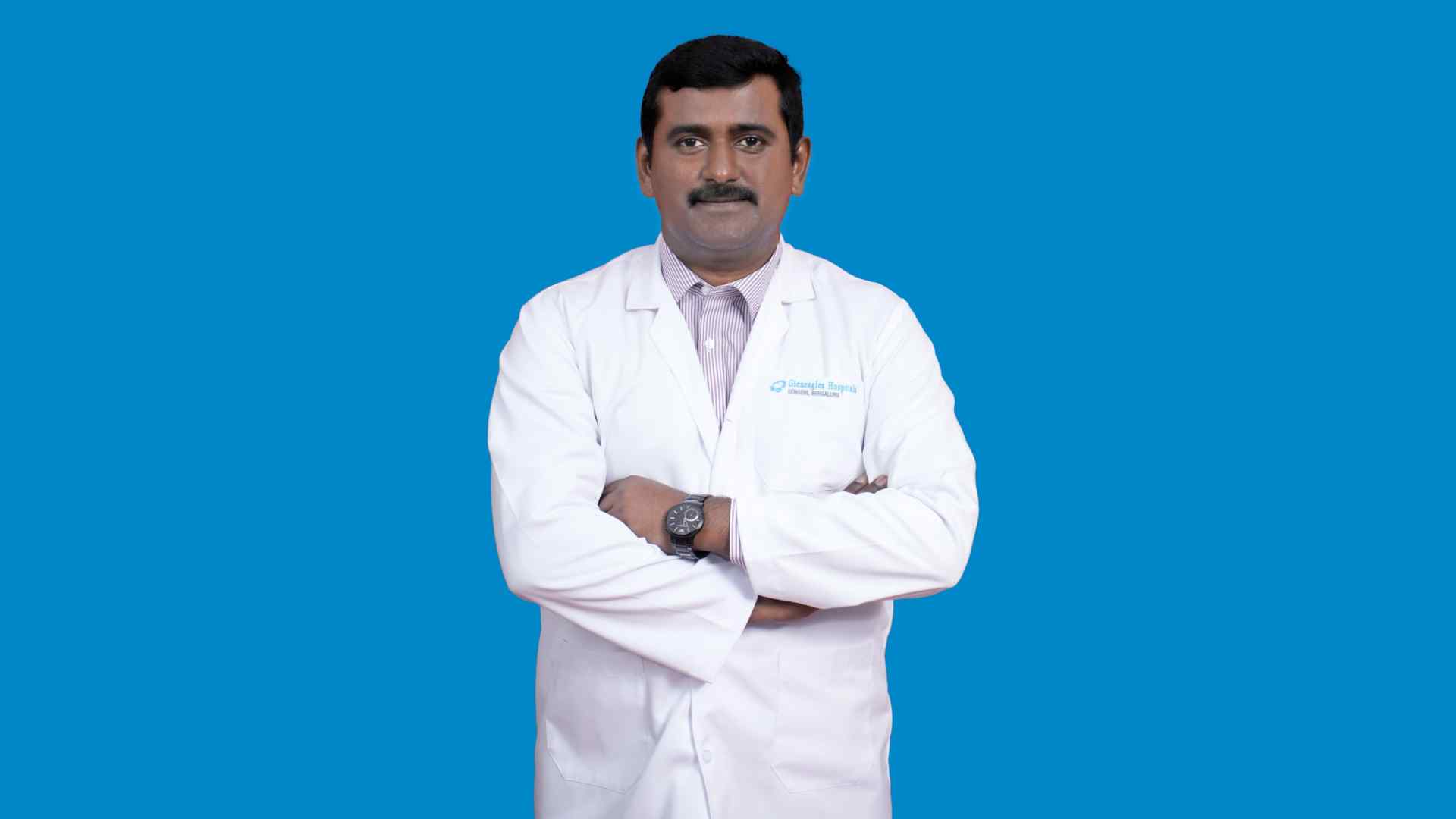
Bengaluru, 23 June 2026: Doctors at Gleneagles BGS Hospital, Kengeri, Bengaluru (part of the Fortis Healthcare Network) successfully treated a 10-year-old girl suffering from a rare combination of Arnold Chiari Malformation, Syringomyelia, and severe scoliosis that affected her mobility and significantly impacted her day-to-day activities. The complex treatment, led by Dr Naveen Mandya Appajigowda - HOD & Sr Consultant - Minimal Access Brain and Spine Surgery, along with Dr. Keshav G.C., Senior Consultant, and Dr. Sridhar G., Consultant, Department of Neurosurgery, involved a staged surgical approach and highlighted the hospital’s expertise in managing rare neurological and spinal disorders.
The young patient was presented with 40-degree spinal curve which led to weakness in both hands, reduced sensitivity to hot and cold temperatures for nearly three months. Further examination including a Brain, Spine and CSF Flow Study MRI, and Long Cassette AP X-rays revealed a rare combination of “Arnold Chiari Malformation with Syringomyelia”, a rare neurological condition where a portion of the brain extends into the spinal canal, affecting the normal flow of spinal fluid and causing a fluid-filled cavity to develop within the spinal cord. The coexistence of these neurological and spinal pathologies in a single patient remains uncommon, particularly among children, with the condition affecting nearly 2% of the Indian population.
Considering the complexity of the neurological and spinal conditions, doctors adopted a staged treatment strategy. The first surgery involved Foramen Magnum Decompression with Lax Duroplasty, that relieves pressure at the base of the skull and upper spine. This is to address the Arnold Chiari Malformation and associated Syringomyelia. The team then closely monitored the patient for a year to see if the spinal curve would improve naturally. However, as the scoliosis continued to worsen and affected her mobility, the medical team performed a complex spinal correction surgery with advanced neuro-monitoring.
This was a highly complex surgery due to the severe curvature in the upper part of the spine, which had progressed beyond 90 degrees. The small size of the spinal bones made the placement of screws particularly challenging, required extreme precision to avoid injury to nearby organs such as the heart and lungs. The procedure lasted nearly 10 hours and required meticulous planning, surgical precision, and seamless coordination among multidisciplinary teams. Following the successful surgery, the child was able to walk without any support and discharged within two and a half days.
Giving details of the case, Dr Naveen Mandya Appajigowda - HOD & Sr Consultant - Minimal Access Brain and Spine Surgery, Gleneagles BGS Hospital, Kengeri, Bengaluru, said, “This was a rare and challenging case involving a complex combination of neurological and spinal conditions. Such cases require timely diagnosis, careful planning, and a staged treatment approach to achieve the best possible outcomes. Delayed treatment can lead to worsening deformity and neurological problems. Seeing the child regain her confidence, walk independently, and look forward to returning to school is immensely rewarding for our entire team.”
Mr Ravi Bagali, COO, Gleneagles BGS Hospital, Kengeri, Bengaluru, said, “At Gleneagles BGS Hospital, we are committed to delivering advanced, specialised care for even the most complex neurological and spinal conditions. The successful management of this rare case is a testament to our multidisciplinary expertise, advanced surgical capabilities and patient-centric approach that helps patients regain their independence and quality of life.”





-23-300x250.png)





















