 Saturday, November 21, 2026
 Urges Nationwide Awareness, Early Diagnosis, and Evidence-Based Solutions





MUMBAI, December 22, 2025: Dr. Abhishek Pilani, Founder and Lead Hair Restoration Expert at Assure Clinic, one of India’s foremost doctor-led hair transplant and dermatology centres, has sounded a strong warning on what he describes as a growing and under-reported hair fall epidemic affecting millions of Indians, with an alarming rise among young adults.
“Hair loss is no longer just a cosmetic concern, it has become a significant public health and psychological issue.” said Dr. Pilani, a gold-medalist dermatologist with over a decade of experience in advanced hair restoration and complex hair transplant cases. “What was once considered a middle-aged problem is now increasingly seen in individuals in their 20s and early 30s. Unfortunately, many turn to quick-fix remedies or discount clinics instead of seeking evidence-based medical care.”
Highlighting national trends, Dr. Pilani added, “A disturbing pattern is emerging across age groups in India. Millions experience genetic hair loss, with onset occurring at progressively younger ages. More than half of Indian men facing hair fall are under 25, signalling a shift toward early-onset thinning and balding. At the same time, a significant number of women in their mid-30s are showing moderate to advanced hair loss, underscoring the gender-neutral nature of this issue. While often attributed solely to genetics, these patterns are significantly worsened by lifestyle and environmental factors such as chronic stress, sleep deprivation, nutritional deficiencies, and inflammatory scalp conditions.”
Dr. Pilani also cautioned against widespread myths and misinformation surrounding hair fall. “From exaggerated claims around oils to so-called ‘miracle’ treatments, misinformation distracts patients from identifying the true medical causes,” he said. “Hair loss is multifactorial involving genetic predisposition, hormonal balance, lifestyle habits, and scalp health. Without scientific diagnosis and personalised treatment, outcomes remain poor, leading to prolonged follicle miniaturisation, excessive shedding, and emotional distress.”
Calling for urgent action, Dr. Pilani outlined a multi-level approach to address the crisis. “India needs immediate public awareness initiatives to dispel myths and promote early dermatological consultation. There must be stricter industry standards to curb unqualified providers making false claims. Lifestyle medicine and preventive scalp health should be integrated into primary care protocols. A coordinated effort involving public health bodies, clinicians, and patient advocates is essential to prevent this epidemic from becoming irreversible.”
About Dr. Abhishek Pilani & Assure Clinic
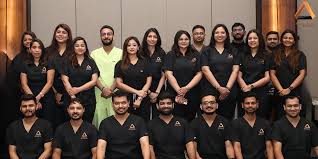
Dr. Abhishek Pilani is a renowned hair restoration specialist and Founder of Assure Clinic, a leading hair and skin treatment centre known for clinical excellence and transformational outcomes. A gold-medalist dermatologist and member of the International Society of Hair Restoration Surgery (ISHRS), Dr. Pilani is widely respected for his expertise in complex hair loss cases, high-density hair transplantation, and stringent medical standards.
Assure Clinic operates across India and has expanded internationally, offering advanced solutions in hair restoration, scalp health, aesthetic dermatology, and personalised patient care.
Website: assureclinic.com





-23-300x250.png)




















