 Thursday, October 08, 2026
 While lifestyle factors such as sleep, nutrition, mental stimulation, and physical activity remain essential for brain health, discoveries like this suggest that biology itself may offer additional pathways to support cognitive longevity.




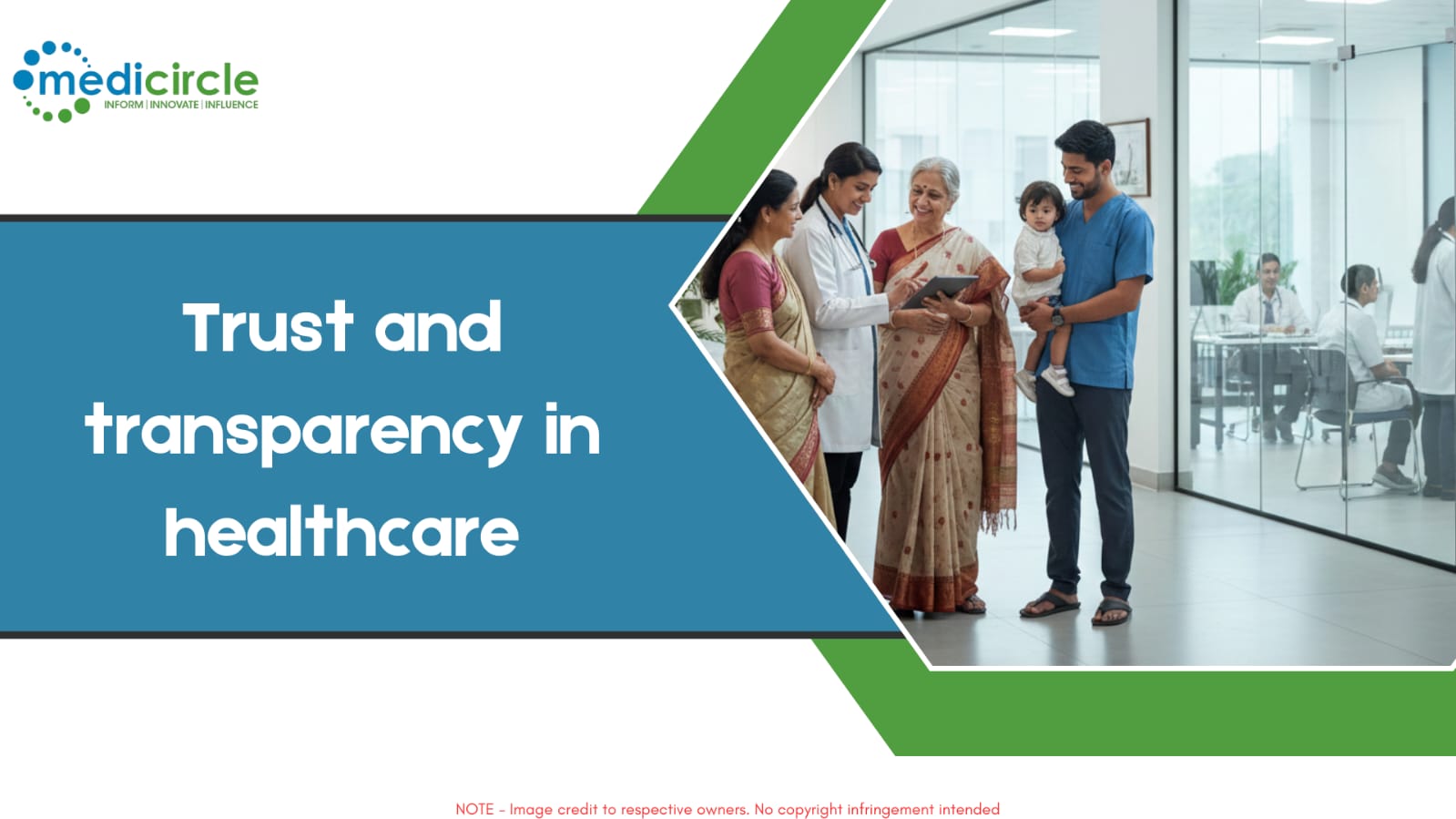
Many people have experienced this familiar situation. Sitting in a clinic waiting room brings a palpable weight of uncertainty. The concern extends beyond the potential diagnosis. A more fundamental unease whispers a quiet question. Individuals wonder if they have chosen the right place and whether they can truly rely on the coming advice. Within the Indian context, this feeling occurs frequently. It arises from genuine experiences such as unexpected bills included with discharge papers, treatment plans explained in rushed technical language, and a general sense of being a case number rather than a person. This feeling is not paranoia. It acts as a signal that a crucial element is absent. That missing element is not a new miraculous medicine. It is a far more straightforward concept: clear and honest transparency.
Understanding the Origin of Doubt:
Consider the most recent occasion you departed a doctor’s appointment feeling somewhat confused. Perhaps you forgot to ask a question, or the explanation seemed hurried. Now imagine that confusion increasing during a serious illness or a surgical procedure. A family plans a budget for an operation only to receive a final bill filled with confusing additional charges. A person might select an expensive private hospital not from certainty of superior quality, but because the public system appears like an incomprehensible maze. Such stories exist all around us. Conversations with friends and family often reveal the same persistent theme, which is a frustrating absence of clear and upfront information. This void is not merely an inconvenience. It cultivates anxiety and plants seeds of doubt, rendering the path to recovery seem unstable from the very start.
Clear Communication:
One may ask about the solution to this problem. The answer involves a fundamental shift in perspective. This shift moves from a one-way instruction to a two-way dialogue. Genuine transparency involves a healthcare professional who takes time to draw a simple diagram explaining the choice of one medicine over another. It manifests as a hospital providing a detailed and itemized cost estimate without numerous requests. It appears as an insurance policy document written in plain language. This clarity performs a powerful function. It provides an individual with a place at the table. A person transitions from a silent observer into an informed participant within their own health narrative. When people comprehend the specifics and the reasons behind them, their fear reduces. Trust then begins to establish itself firmly in that space.
Tools and Technology:
Modern society possesses more tools than previous generations to encourage this clarity. Potential patients can read hospital reviews from others. Digital health records allow individuals to hold their own medical history. Government initiatives increasingly utilize public dashboards to display fund allocation and participating hospital networks. However, understanding the crucial distinction remains important. These devices are only tools. A smartphone application can deliver data, but it cannot provide a comforting smile. An online portal may list expenses, but it cannot perceive worry and respond to it. The core of healing will forever remain human connection, demonstrated by a doctor’s attentive focus or a nurse’s steady reassurance. Technology achieves its greatest purpose when it strengthens this human bond, not when it attempts to assume its role.
Creating a Healthier System:
Establishing a new culture of openness cannot fall only to doctors or only to hospitals. This goal represents a collective mission. It requires hospital administrators to design clearer processes, insurance companies to write simpler policies, and policymakers to set standards prioritizing patient comprehension. Within this framework, platforms focused on explaining healthcare complexities fulfill a supportive function. Through gathering reliable information, sharing patient-friendly guides, and creating spaces for authentic dialogue, they help people navigate the healthcare system with greater confidence. The objective is not to assign blame but to construct a new standard where transparency becomes the expected norm.
Progress through Collective Effort:
Positive developments indicate a growing demand for this change. People are posing more questions, obtaining second opinions, and taking proactive steps regarding their well-being. Every single act of openness contributes to a larger whole. A pharmacist carefully explaining side effects and a clinic openly displaying its consultation fees are examples that have a cumulative effect. Such acts strengthen the entire system. Essentially, trust and transparency are not simply pleasant ideas. They form the essential foundation and the solid bedrock of a functional healthcare system for everyone. Championing these values achieves more than solving problems. It creates an environment where healing, built upon mutual respect, can properly thrive.






.jpeg)










.jpg)
.jpg)
.jpg)
.jpg)
.jpg)
.jpg)


.jpg)