Tuesday, October 06, 2026
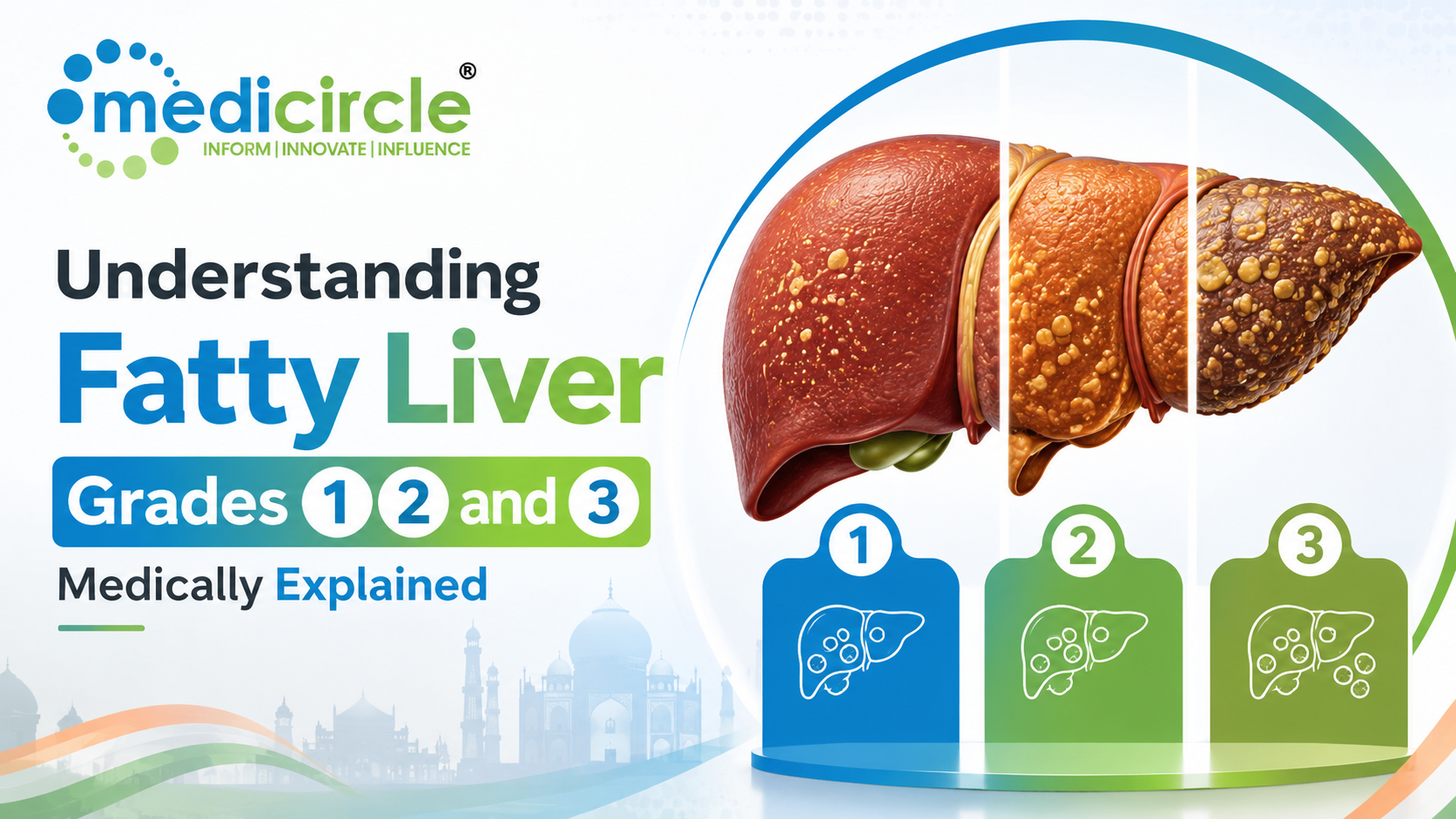
 Fatty liver disease ranges from initial surface fat in Grade 1 to moderate inflammation in Grade 2 and heavy accumulation with scarring risks in Grade 3. Identifying these stages





Decoding Fatty Liver Grades
When we think about taking care of our health, our minds often jump to heart wellness or weight management. Yet, tucked away on the right side of your abdomen is a quiet powerhouse known as the liver. This remarkable organ works around the clock, tackling over five hundred vital tasks, from cleaning toxins out of your blood to converting the food you eat into usable energy. Because it is highly resilient, it rarely complains when under stress.
This silent nature is precisely why non-alcoholic fatty liver disease has become an invisible health crisis across India. The condition develops gradually when the body begins storing excess fat inside liver cells, slowly getting in the way of the daily tasks of the organ. Because the early stages do not cause pain, most people only discover they have it during a routine checkup or an ultrasound for an unrelated issue. Understanding what Grade 1, Grade 2, and Grade 3 fatty liver mean is the first step toward reclaiming your metabolic health and protecting your body for the long haul.
Rise in India
In past generations, liver complications were almost exclusively associated with heavy alcohol use. While that remains a distinct medical concern, a different version, non-alcoholic fatty liver disease, is skyrocketing across India today. This shift is deeply tied to modern lifestyle changes, long hours spent sitting at desks, and major transformations in our daily diets.
The modern Indian food landscape is filled with highly processed snacks, refined flour, and hidden sugars in packaged beverages. When we consume more energy than our bodies burn, the liver bears the burden of storing the excess. Furthermore, research highlights that people of South Asian descent possess a unique genetic predisposition to insulin resistance and central obesity. This means that even an individual who looks relatively lean on the outside can still harbor hidden fat accumulation within their internal organs, leading directly to metabolic dysfunction associated steatotic liver disease.
Grade One Signs
If your doctor mentions a grade 1 fatty liver, it means you are at the very beginning of fat accumulation. At this stage, a mild amount of fat has started to settle on the outer areas of the liver. The underlying liver cells are still healthy and fully capable of doing their jobs, meaning the organ continues to function normally without any immediate danger.
This stage of mild fatty liver is completely silent. You will not feel any pain, muscle aches, or intense exhaustion. In fact, grade 1 fatty liver is almost always an accidental finding on an ultrasound while a doctor is investigating simple acidity, gas, or performing a routine corporate health screening. Rather than a cause for panic, a grade 1 fatty liver reading should be viewed as a gentle, timely wake-up call from your body indicating that your metabolism needs a bit of structural support.
Reversing Early Stage
The best thing about a grade 1 fatty liver diagnosis is that it is highly treatable and entirely reversible. The liver is the only internal organ capable of complete self-regeneration, provided you give it the right environment to heal. Medication is rarely needed at this point; instead, sustainable daily habits are your most powerful tools.
You can swap refined grains for whole grains to ease the load on your system. It is wise to limit deep fried street foods and packaged sugary treats as much as possible. Dedicating thirty minutes daily to brisk walking or cycling helps burn stored fats naturally. Staying well hydrated with plain water instead of sodas also promotes cellular healing. By making these minor updates to your routine, you reduce the influx of free fatty acids arriving at the liver, allowing the organ to naturally burn off its stored reserves over a few months to successfully achieve a complete fatty liver treatment solution.
Grade Two Progression
When the underlying metabolic issues behind early fat storage go unmanaged, the condition moves forward into grade 2 fatty liver, or moderate fatty liver. Here, the fat deposits have grown denser and are spread much deeper through the organ tissue. On an ultrasound screen, these heavy fat layers scatter the sound waves, making it difficult for a radiologist to see the deeper blood vessels clearly.
At this juncture, the sheer volume of trapped fat can trigger low grade, persistent internal swelling. This inflammatory state means the liver is actively struggling against the stress of fat storage. Because the organ may swell slightly, some patients begin to notice subtle fatty liver symptoms. You might experience a lingering feeling of fatigue that a full night of sleep cannot fix, a general drop in daily stamina, or a vague, heavy sensation in the upper right side of your stomach.
Managing Moderate Phase
Stepping into grade 2 fatty liver means your liver is under active pressure, and passive observation is no longer an option. While the condition can still be turned around, it requires a much more deliberate, structured health strategy.
A doctor will typically look beyond the ultrasound report and order comprehensive blood panels, including a lipid profile test and a special blood sugar test to evaluate your long term health levels. Because non-alcoholic fatty liver disease is deeply intertwined with conditions like type 2 diabetes and high blood cholesterol, treating the entire metabolic system is essential. Sustainable weight loss, aiming for a safe, steady reduction of roughly five to ten percent of your body weight over several months, is highly effective. Avoid extreme crash diets or sudden fasting protocols, as rapid starvation can actually cause the liver to hoard more fat, worsening the internal inflammation.
Grade Three Advanced
Grade 3 fatty liver is classified as severe fatty liver and represents the most advanced stage of fat accumulation visible on a standard ultrasound. At this stage, massive amounts of fat have completely infiltrated the organ, fundamentally altering its internal environment and significantly compromising its capacity to filter toxins and process nutrients.
The real danger of grade 3 fatty liver is that long term, unmanaged inflammation can cause healthy liver cells to break down and be replaced by tough, non-functional scar tissue. This process of progressive scarring is known as liver fibrosis. As scar tissue spreads, the liver loses its natural elasticity and structure. Patients in this phase are far more likely to experience clear symptoms, which may include constant physical weakness, frequent nausea, unexplained abdominal swelling, and a distinct yellowing of the eyes or skin, which shows that the liver is struggling to process bile compounds.
Severe Storage Risks
Leaving a grade 3 fatty liver unchecked can lead to irreversible structural damage known as liver cirrhosis. In a cirrhotic liver, extensive scarring permanently deforms the organ, blocking normal blood flow and potentially causing liver failure. This obstruction increases pressure in the veins of the digestive tract, creating a dangerous risk of internal bleeding.
Furthermore, severe liver stress acts as a major driver for broader cardiovascular and metabolic emergencies. When the liver can no longer regulate fat and sugar transport properly, the risks of heart disease and severe insulin resistance increase dramatically. Catching the condition early through proactive testing remains the absolute best way to ensure you never have to navigate these advanced medical complications.
Medical Liver Assessment
Getting an accurate picture of your liver health involves a combination of visual scans and functional blood tests. This dual approach ensures your medical team understands both the physical structure of the organ and how well it is currently performing.
Abdominal Ultrasound Tool
This is the initial diagnostic tool used across India. It uses sound waves to create a real time image of your abdomen, allowing doctors to classify fat levels into grade 1, 2, or 3 based on the density of the tissue reflections.
Liver Function Tests
This basic blood panel measures specific liver proteins and enzymes like SGPT and SGOT. When liver cells are inflamed or damaged by excess fat, these enzymes leak into the blood, signaling to your doctor that internal swelling is taking place.
Advanced Fibroscan Diagnostic
In moderate to severe cases, a doctor might request a specialized, non-invasive Fibroscan to check liver stiffness. This highly precise tool measures whether permanent scar tissue has started to develop, providing deep insights without the need for a physical tissue biopsy.
Common Patient Questions
Grade Differences Explained
The grades simply indicate how much fat has accumulated in the organ as seen on an ultrasound scan. Grade 1 means a mild layer of fat on the surface, grade 2 indicates a moderate amount spreading deeper with potential inflammation, and grade 3 points to severe, dense fat accumulation that puts the liver at risk for structural scarring.
Severe Grade Recovery
Yes, significant improvement and management are still achievable. While grade 3 fatty liver is a serious warning sign, strict dietary modifications, a guided medical routine, and steady weight management can halt the damage and help the liver heal. However, if advanced permanent scarring has already set in, medical care focuses on protecting the remaining healthy tissue and preventing further progression.
Reversal Time Frame
For an early stage like grade 1 fatty liver, committing to a consistent routine of balanced nutrition and regular physical exercise can often produce highly visible improvements on an ultrasound within three to six months. Because the liver regenerates efficiently, removing the daily metabolic overload allows it to naturally clear out the stored fat.
Proactive Health Choices
A fatty liver diagnosis should not be viewed as an isolated organ disease, but rather as an invitation to take a closer look at your overall metabolic environment. Whether a routine checkup reveals grade 1, 2, or 3, your body is providing you with valuable information and a clear opportunity to make supportive daily adjustments.
By staying well informed through reliable health insights and working closely with medical professionals, managing your liver health becomes a highly achievable part of your wellness journey. Making conscious, positive changes to your daily meals, staying physically active, and committing to regular checkups ensure that your body remains strong, balanced, and fully prepared for a healthy future.
Abstract:.Fatty liver disease ranges from initial surface fat in Grade 1 to moderate inflammation in Grade 2 and heavy accumulation with scarring risks in Grade 3. Identifying these stages
regular abdominal ultrasounds gives patients an important window of opportunity to interveneearly through






.jpeg)
.jpg)
.jpg)
.jpg)
.jpg)
.jpg)
.jpg)


.jpg)
.jpg)
.jpg)
.jpg)
.jpg)
.jpg)