Sunday, October 25, 2026
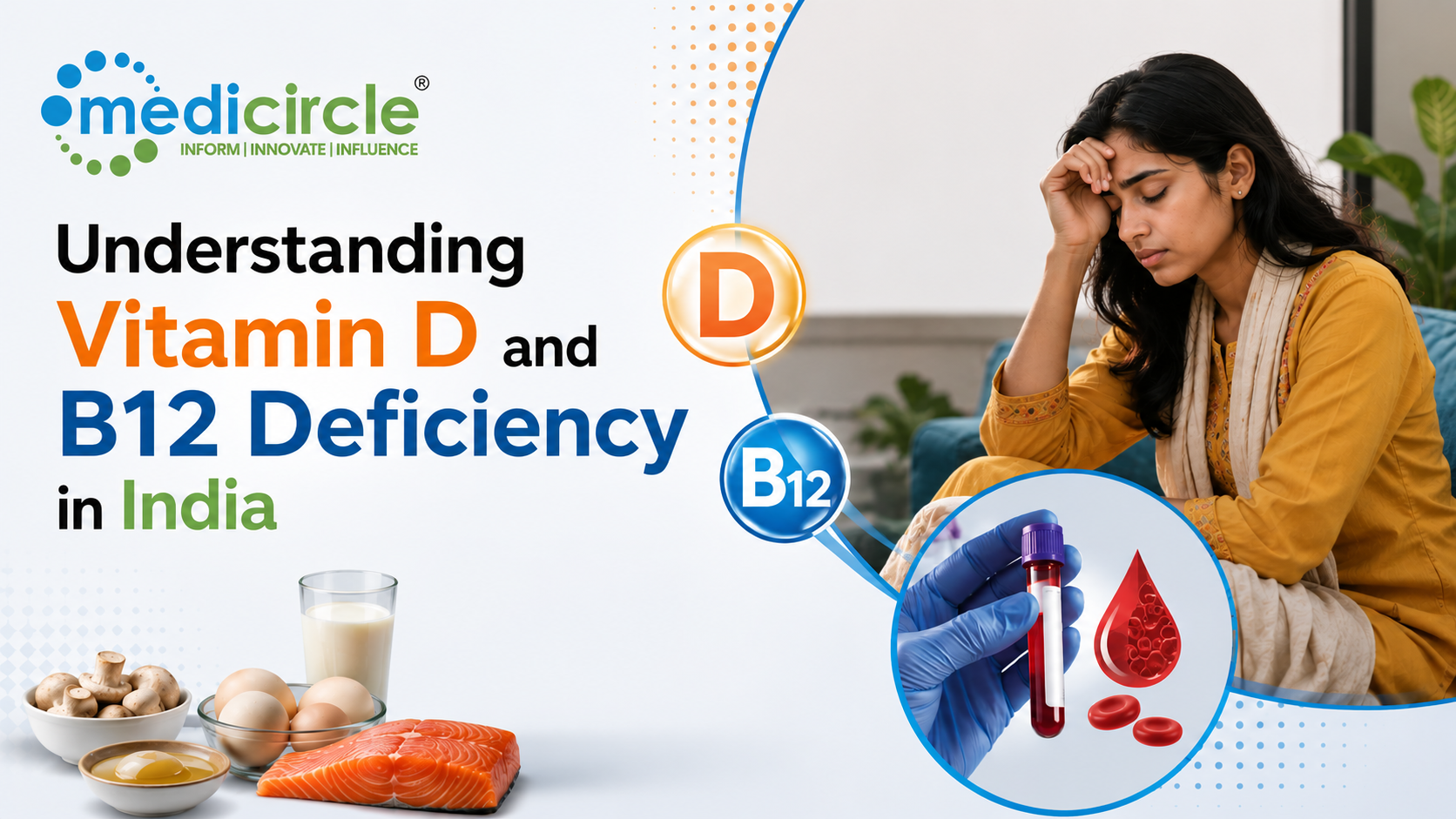
 A silent health crisis is currently affecting millions of households across India, where public health data indicates that a staggering number of people are severely short on Vitamin D and Vitamin B12. Learning why these deficiencies have become so widespread is the first critical step toward reclaiming vitality.




Vitamin D and B12 Deficiency: The Silent Crisis in India
Feeling constantly run down, dealing with a nagging backache, or experiencing sudden bouts of dizziness has become a familiar story for many people across India. In the hustle of everyday life, it is incredibly easy to brush off these issues as simple exhaustion or the natural tax of growing older. However, a deeper look through routine medical screenings is revealing a much more specific culprit. Deep within our communities, a quiet nutritional gap is widening, leaving a staggering number of people severely short on two foundational nutrients: Vitamin D and Vitamin B12.
The numbers tell an unexpected story for a country known for sun-drenched landscapes and diverse regional cuisines. Medical data shows that roughly 70 percent to 80 percent of Indians are living with a Vitamin D deficiency. At the same time, nearly half the population struggles with low Vitamin B12, a problem that is particularly intense in fast-paced city environments. These are not minor dietary details; they are major biochemical gears. From keeping our skeletal framework solid to ensuring our nervous system fires smoothly, these two nutrients keep our bodies grounded and energized. Learning why they are dropping so rapidly across the country is our best tool for reclaiming our daily vitality.
Importance of Nutrients
To see why this deficit deserves our attention, it helps to look at how these nutrients function under the hood. Take Vitamin D, for example. While we call it a vitamin, it actually behaves much more like a core hormone. Its primary task is acting as a biological gatekeeper that helps our digestive system pull calcium out of our food and move it into the blood. If Vitamin D levels bottom out, the calcium we consume simply passes through us without being utilized, forcing the body to quietly strip away its own bone density to keep blood levels stable.
Vitamin B12 operates on a different, equally vital front. This water-soluble nutrient is responsible for manufacturing healthy red blood cells and maintaining the myelin sheath, which is the protective insulation wrapped around our nerve pathways. When Vitamin B12 drops, red blood cell production falters, leading to oversized, malformed cells that are terrible at carrying oxygen throughout the body. The resulting condition, called megaloblastic anemia, is the reason a deficiency leaves you feeling entirely drained of energy. Furthermore, frayed nerve insulation leads to that distinct, uncomfortable tingling or numbness in the fingers and toes.
The Sunshine Paradox
It seems impossible that a nation glowing with tropical sunlight could face a Vitamin D crisis, but our changing relationship with the outdoors explains this exact paradox. Human skin requires direct exposure to ultraviolet B rays to trigger the natural production of Vitamin D. Unfortunately, modern life has largely moved us behind concrete and glass.
Between commuting in enclosed vehicles, spending long hours in air-conditioned offices with treated windows, and relaxing inside malls or apartments, the average person spends very little time under an open sky. Even when we do step outside, our habits work against us. Culturally, many people prefer to seek out shade or use umbrellas. The widespread use of high sun protection factor sunscreens is excellent for blocking ultraviolet damage and preventing sunburns, but it also completely shuts down the skin ability to manufacture Vitamin D. Paired with traditional clothing choices that favor extensive skin coverage, the surface area available to catch those crucial midday rays is minimal.
Role of Melanin
Biology introduces another layer to this puzzle, which is melanin. This natural pigment gives Indian skin it’s beautiful, darker tones and serves as an incredibly effective, built-in shield against intense solar radiation. However, because melanin absorbs ultraviolet light so efficiently, it actively slows down Vitamin D synthesis. As a result, an individual with a deeper, melanin-rich complexion needs to spend significantly longer in the sun to generate the same amount of Vitamin D as someone with lighter skin.
The Dietary Puzzle
While the Vitamin D problem is largely environmental, the widespread lack of Vitamin B12 comes down to what is and is not on our dinner tables. Nature has set a strict boundary here because Vitamin B12 is produced almost exclusively by microscopic soil organisms, meaning it accumulates reliably only in animal-based foods like fish, poultry, red meat, and eggs.
Because vegetarianism is deeply woven into the cultural, religious, and personal fabric of millions of Indian homes, natural sources of Vitamin B12 are automatically scarce for a huge portion of the population. It is true that dairy products such as milk, fresh curd, and paneer contain Vitamin B12, but the actual amounts found in standard daily portions are often quite modest. If someone has a sensitive stomach or poor digestion, these dietary amounts rarely provide enough support to maintain healthy reserves.
Non-Vegetarian Habits
Even in families that do eat meat, non-vegetarian dishes are rarely a daily staple. Many households follow traditional schedules, cooking meat only on specific days or reserving it for festive gatherings. Because these meals are occasional rather than constant, the body long-term storage pools for Vitamin B12 can easily drain over time.
Identifying the Echoes
A nutrient deficit rarely happens overnight; instead, the body drops subtle hints that gradually grow louder as the weeks turn into months. Because these signs come on slowly, they are often mistaken for everyday stress or the simple aches of getting older.
Initially, a combined drop in Vitamin D and Vitamin B12 shows up as a heavy, persistent tiredness that a good weekend of rest just cannot fix. As Vitamin D plunges lower, generalized bone discomfort begins to settle into the lower back, hips, and shins, frequently accompanied by sudden muscle cramps. Because the body is desperately leaching calcium from the skeleton to protect blood chemistry, the structural framework weakens. Over time, this quiet erosion sets the stage for early osteoporosis or unexpected fractures from minor trips and falls.
Warning Signs to Watch For:
- Chronic, heavy fatigue that sleep does not fix
- Persistent deep aches in the lower back, joints, or shin bones
- A recurring pins and needles sensation in hands and feet
- Mild unsteadiness, poor balance, or unexpected dizzy spells
- Brain fog, forgetfulness, and sudden irritability
Advanced Nerve Symptoms
When Vitamin B12 drops into critical territory, the symptoms shift toward the nervous system. You might start noticing a frequent pins and needles numbness in your hands and feet. Over time, this can progress to subtle balance issues, making you feel slightly unsteady on your feet or prone to dizzy spells. Because Vitamin B12 is deeply involved in brain chemistry, a deficiency can also cause noticeable mental fog, short-term forgetfulness, and unexplained irritability. In severe, unaddressed cases, the cognitive symptoms can become intense enough to mimic early neurological decline, making early diagnostic blood tests absolutely essential.
Overlooked Health Factors
Beyond our immediate diet and sun exposure, the realities of modern health can throw a wrench into how our bodies process these vitamins. High daily stress alters our digestive tract, inflaming the stomach lining and making it incredibly difficult for the gut to pull nutrients efficiently from our food.
Furthermore, chronic digestive discomfort, like acidity and bloating, is incredibly common. Many people regularly self-medicate with over-the-counter antacids or prescription proton pump inhibitors to soothe heartburn. However, Vitamin B12 needs a highly acidic stomach environment to successfully break free from food proteins and attach to intrinsic factor, which is a specialized transport protein required for absorption in the intestines. By constantly suppressing stomach acid, these medications accidentally create a roadblock that prevents Vitamin B12 from entering the system.
Medication Interference
Metabolic health plays a role here as well. Metformin, a fundamentally important medication used widely across India to manage Type 2 diabetes and Polycystic Ovary Syndrome, has been shown to reduce the gut capacity to absorb Vitamin B12. With the sharp rise of metabolic conditions in our communities, drug-induced vitamin depletion is an increasingly common factor that requires careful medical attention and tracking.
Simple Practical Steps
Bringing your body back into balance does not require an overwhelming lifestyle transformation. It simply takes a consistent, mindful approach to your daily routines and nutritional choices.
To naturally improve your Vitamin D, aim for 15 to 30 minutes of open sun exposure during the middle of the day, specifically between 11:00 AM and 1:00 PM, when ultraviolet B rays are at their peak strength. Keep your arms and legs uncovered where possible, and step out before applying sunscreen for this brief window. You can also look for fortified foods in your local market because many brands of milk, plant-based milks, and cooking oils are now enriched with Vitamin D to help close the gap.
Smart Nutritional Tweaks
- Consume Daily Dairy: Build a habit of having two to three servings of fresh dairy items like milk, curd, or paneer every day.
- Choose Fortified Foods: Look for fortified breakfast items in your local market, such as whole-grain cereals and enriched plant milks.
- Eat Fermented Dishes: Enjoy traditional fermented options like idli, dosa batter, and homemade buttermilk to support gut health.
- Select Specialized Mushrooms: Look for mushrooms grown under ultraviolet light, as they serve as an excellent natural source of Vitamin D.
Rebuilding Deficient Stores
For those sticking to a vegetarian diet, making dairy a reliable part of your day is a great move. Consistently enjoying milk, fresh curd, and paneer provides a steady, natural stream of Vitamin B12. Including traditional fermented foods can also optimize your gut environment, making it much easier for your digestive tract to process and absorb the nutrients you consume.
Keep in mind, though, that if a blood test shows your levels are already deeply depleted, food and sunshine changes alone are rarely fast enough to fix the issue. In these situations, working with a healthcare professional to complete a structured course of oral supplements or therapeutic injections is the safest, most effective way to rebuild your body natural reserves.
Protecting Your Health
The widespread rise of Vitamin D and Vitamin B12 deficiencies across India is a direct reflection of how quickly our modern lives and daily habits have shifted. While a packed calendar makes it easy to overlook baseline nutrition, ignoring these quiet gaps can take a serious toll on your long-term mobility, immune resilience, and clarity of mind.
Taking charge of your well-being does not demand a radical rewrite of your life. Simple, intentional choices, like taking a short walk in the midday sun, adding nutrient-rich foods to your weekly grocery list, and checking your levels with a yearly blood test, can completely rewrite your health outlook. By listening to the quiet warnings your body gives you and acting early, you can effortlessly protect your strength, keep your mind sharp, and maintain your natural energy for all the years ahead.





-23-300x250.png)

.jpeg)

.jpg)
.jpg)
.jpg)
.jpg)
.jpg)
.jpg)
.jpg)
.jpg)
.jpg)