 Thursday, November 19, 2026
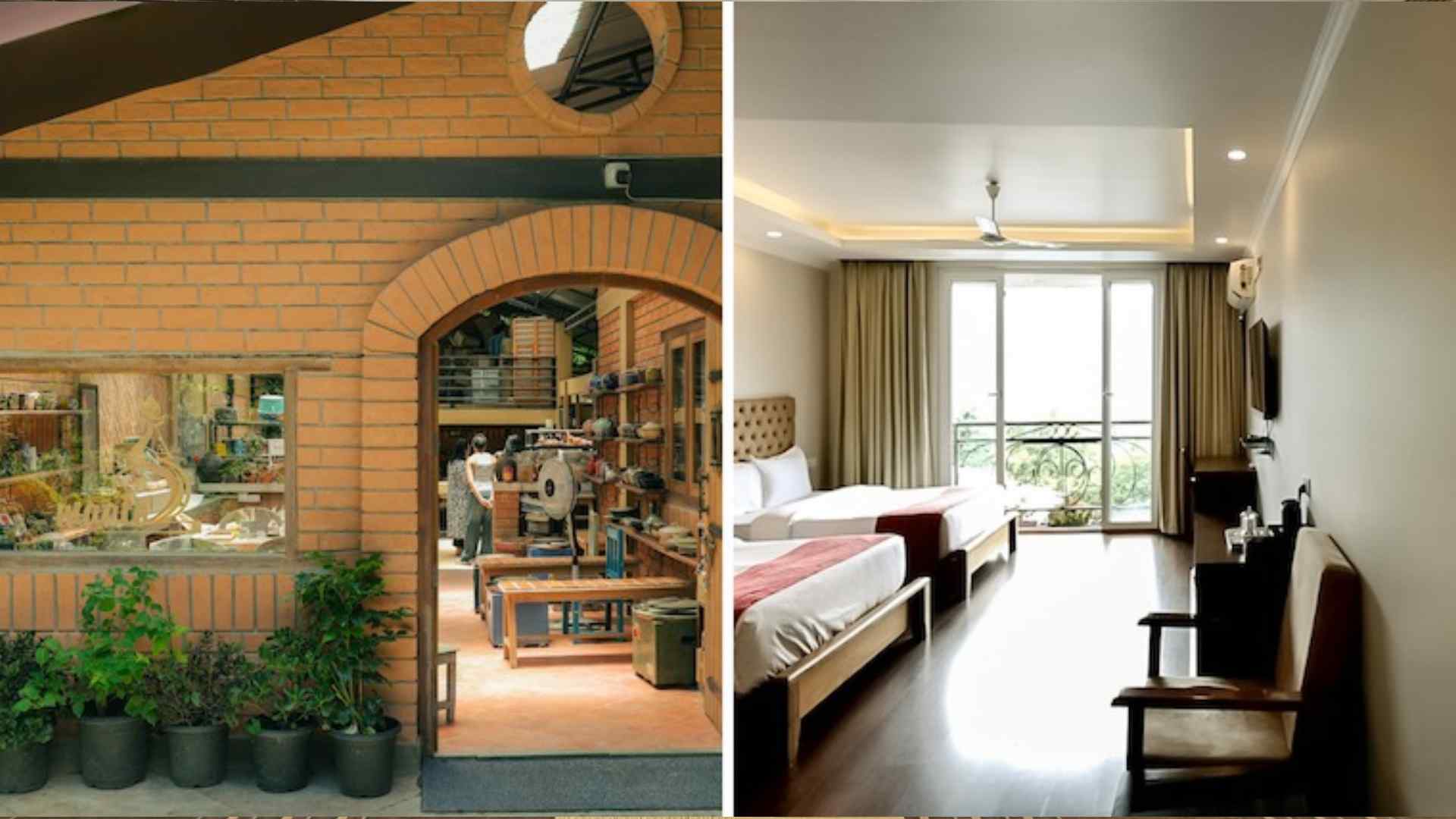
 Designed for individuals seeking support for addiction, burnout and other mental health concerns, the retreat offers an immersive recovery experience where evidence-based clinical care is complemented by nature, personalised attention and holistic wellness practices.





India, 07 July 2026: Veda Rehabilitation & Wellness, India's luxury mental health, addiction recovery, and holistic wellness organisation, has announced the launch of its newest wellness retreat in Sikkim. Located amidst the serene Rumtek Hills, the centre marks Veda's fourth destination after Mumbai, Delhi, and Bengaluru, bringing its personalised, wellness-led approach to recovery to the Eastern Himalayas.
Across India, growing awareness around mental health, substance dependence, burnout and behavioural addictions has encouraged more individuals and families to seek professional support. Yet, rehabilitation continues to be viewed with hesitation due to social stigma and misconceptions. Experts increasingly emphasise that timely intervention and supportive environments can significantly improve long-term recovery outcomes.
The Sikkim retreat offers an immersive recovery experience where evidence-based clinical care is complemented by nature, personalised attention, and spiritual wellness practices. It gives guests the time and space to slow down, reset, and focus entirely on their wellbeing.
An intimate retreat, Veda Sikkim features just 11 all-suite accommodations, including nine luxury suites and a two-bedroom Royal Suite, ensuring every guest receives highly personalised attention. Each recovery programme combines clinical therapies with wellness practices such as yoga, meditation, sound healing, art therapy, and movement-based sessions that encourage long-term lifestyle changes.
The retreat draws deeply from its Himalayan setting. Guests can spend their mornings on guided hikes, practise Tai Chi with a visiting expert, interact with monks from the nearby Rumtek Monastery to learn about mindful living, and enjoy meals prepared using fresh, locally sourced organic ingredients. The property also includes an infinity pool, yoga hall, fitness centre, counselling rooms, meditation spaces, pottery studio, projection room, and recreational areas, creating a calm and supportive environment for recovery.
Speaking about the launch, Manun Thakur, Founder & CEO, Veda Rehabilitation & Wellness, said, "We built Veda to heal, not just treat. We wanted to offer the warmth and comfort of home, with the freshness of away. Sikkim offered exactly that. Surrounded by the Himalayas, forests, and a sense of stillness that's difficult to find elsewhere, it felt like the natural place for our next chapter. At the same time, the North East has a growing need for quality mental health and rehabilitation services, making this expansion both meaningful and purposeful."
Unlike conventional rehabilitation centres, Veda follows a people-first philosophy. Guests voluntarily seek treatment, retain access to their personal devices, and are encouraged to remain connected with their families throughout their stay. The focus extends beyond symptom management to helping individuals build healthier habits, stronger relationships, and sustainable routines that continue well beyond their time at the centre.
The launch of Veda Sikkim marks another milestone in the organisation's expansion journey. Looking ahead, Veda plans to continue building a network of premium rehabilitation and wellness centres through flagship destinations and satellite facilities, making personalised, wellness-led recovery more accessible across India.





-23-300x250.png)





















