 Wednesday, November 18, 2026
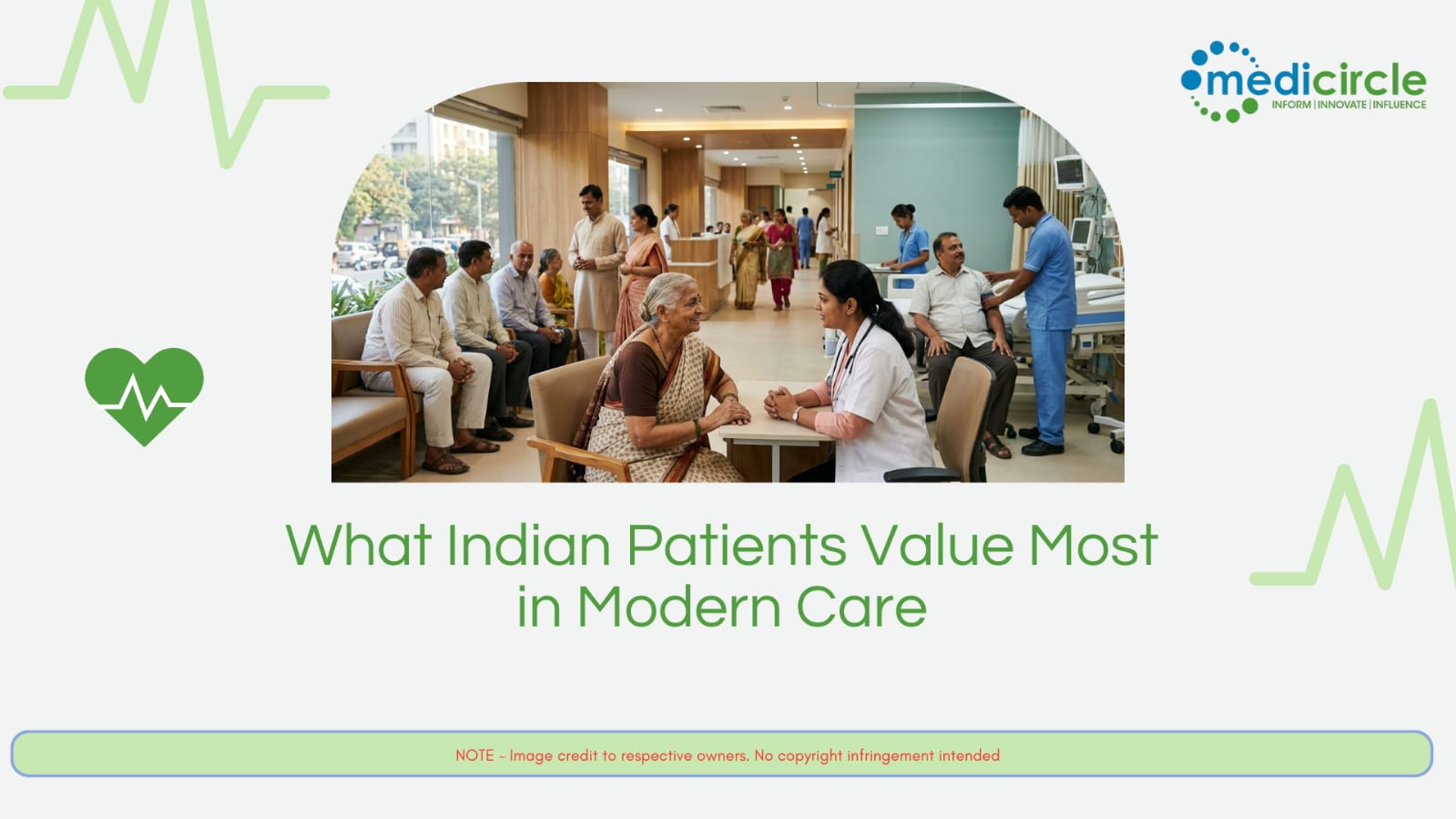
 Patients in India value a healthcare system that balances clinical excellence with emotional intelligence, focusing on honest communication, empathy, and ethical reliability to transform medical procedures into holistic healing experiences.





Understanding the Heart of Indian Healthcare
When we discuss healthcare, we usually focus on the tangibles such as state of the art hospitals, the latest medications, and complex diagnostic reports. However, for a person navigating the medical system in India, the experience is rarely just about a clinical outcome. It is an emotional and social journey that involves the entire family. While technology continues to revolutionize how we treat diseases, the human touch remains the most essential ingredient in true healing.
In our cultural context, the recovery of a patient is a collective effort. To build a healthcare system that actually works for people, we must look beyond the prescription pad and understand the deep seated values that drive patient satisfaction and trust.
Honest Medical Communication
In the high pressure environment of an Indian hospital, doctors often face a staggering volume of patients. In this rush, the most vital element of communication frequently gets sidelined. The biggest frustration for a patient is not usually the wait time, but the feeling of being left in the dark.
Explaining the Diagnosis
Patients value a provider who pauses to explain a diagnosis in plain language. When a doctor breaks down the reason behind a specific pill or procedure without using heavy medical jargon, it does more than just share information. This transparency eliminates fear and transforms the patient from a passive bystander into an active partner in their own recovery.
Empathy as Treatment
In India, the relationship between a doctor and a patient is often deeply personal and rooted in a traditional sense of profound respect. Because of this, the emotional tone of a medical facility matters just as much as its equipment. A cold or purely transactional atmosphere can make an already anxious patient feel even more vulnerable.
Small Healing Gestures
True care is often found in the small things, such as a nurse who offers a kind word during a blood draw. Even as we embrace advanced diagnostics and digital health, these moments of human connection cannot be automated. Empathy is the bridge that helps a patient stay resilient through a difficult treatment plan.
Seamless Healthcare Journeys
The logistical side of being sick in India can be overwhelming for most families. Coordinating between specialists, finding reliable pharmacies, and managing physical paperwork often feels like a full time job.
Reducing Friction Points
What patient’s value today is effortless access to services? They gravitate toward platforms and hospitals that simplify the chaos. Whether it is digital access to health records or a streamlined appointment process, removing these friction points allows the family to focus on what really matters.
Reliability and Ethics
We live in an era where internet rumors can cause unnecessary panic. Because of this, patients are searching for a reliable voice of truth. Credibility has become the most valuable currency in modern medicine.
Building Patient Trust
Trust is built when a healthcare provider prioritizes ethical practice over profit. Patients feel secure when they know that the diagnostic tests are accurate and the medicines are authentic. They want a guide they can rely on in moments of uncertainty.
Empowerment through Prevention
There is a significant shift happening in India today as people move toward a culture of wellness. The modern patient values providers who help them stay healthy in the first place.
Culturally Relevant Education
Whether it is learning how to manage blood sugar or understanding early red flags for heart health, patients are hungry for knowledge. When a healthcare platform provides easy to understand and culturally relevant education, it becomes a long term partner in the life of the patient.
Respecting Every Individual
At its core, every patient wants to be treated with dignity. This means respecting their time by keeping schedules organized and respecting their privacy during sensitive consultations. A patient who feels respected is more likely to be honest about their symptoms.
Holistic Healing Experiences
By treating the person rather than just the ailment, the healthcare system can foster an environment of mutual respect. When clinical excellence is balanced with a genuine regard for the individual, a medical procedure is elevated into a truly healing experience.





-23-300x250.png)





















