 Thursday, October 08, 2026
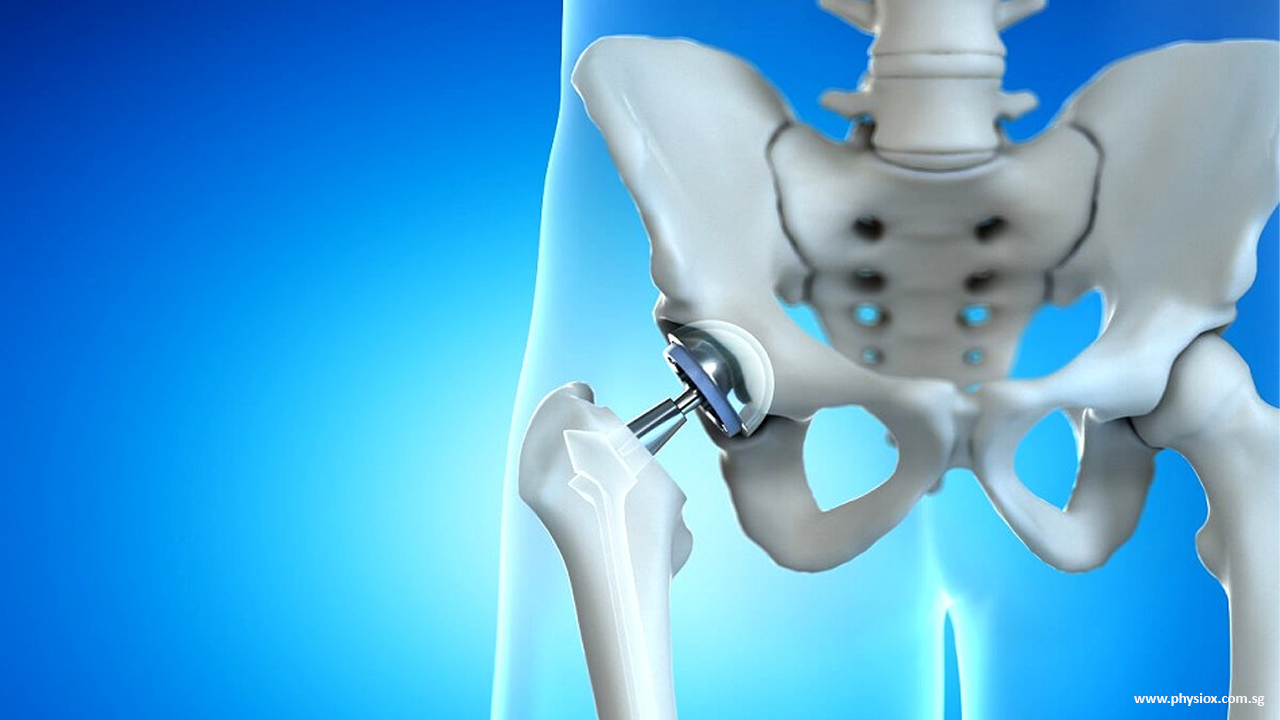
 If the hip joint is damaged due to injury, wear, or any disease, then a hip replacement is done. Let us check why hip replacement surgery is needed and what precautions should one take care after hip replacement surgery.




There has been so much progress in medical science that they can be used to perform any surgery. In a hip replacement, doctors replace the painful hip joint with an artificial joint with the help of surgery. These artificial joints are made of plastic components and metal. It is needed when all other treatment methods to eliminate hip joint pain have failed.
If the hip joint is damaged due to injury, wear, or any disease, then a hip replacement is done. After the hip replacement, the patient can walk comfortably. He can do his work without any help.
Artificial surfaces are used in hip replacements. There is an implant inside the bone that holds the bone with cement and we replace both the surfaces of both the joints by replacing the sphere, then the patient is able to move again and again. This artificial joint has a long life. The patient lives a normal life.
Under what circumstances does hip replacement happen?
Hip replacement is needed in the following situations-
-
It is needed if the hip joint is so severely damaged that it cannot selvage the surface.
-
Hip replacement is needed in arthritis.
-
When chronic arthritis wears out completely, then the hip joint is replaced.
-
Hip replacement is done even if there is a fracture in the hip joint so bad that it cannot be brought back into place
-
After the operation, even after placing the bones right, if the blood supply is disrupted, then that bone dies, in such a situation also a hip replacement is needed.
What should patients keep in mind after hip replacement?
Patients can lead a normal life. Following things should be taken care of after the operation-
- After surgery, he has to keep walking on his own. Such a patient needs to get up, sit and walk.
- If these patients are kept lying on the bed, then there may be a chest infection, urine infection, and blood clotting in the leg veins.
- Such problems worsen the quality of life of the patient.
- Due to repeated infections, the patient also loses his life. If such patients do not take care of, then they die within a year.
- After treatment, keep the patient's feet and toes in working condition. Because when the muscles move, there is the pumping of blood in them.
- In such patients, there is a risk of clotting in the arteries, so to avoid it, it is necessary to move the legs.
- These patients have to sit up a bit. If they sit down, they will be inconvenienced. Second, if the incision is made from the back side, then dislocation of the joint can also occur. Because their muscles are very weak.
- If surgery has been done through the incision ahead, then there is no risk of dislocation in it.
- Surgery in the older adult's body is hazardous, with these challenges doubling if the patient is more than 100 years of age.





.jpeg)








.jpg)
.jpg)
.jpg)
.jpg)
.jpg)
.jpg)


.jpg)
.jpg)
.jpg)