 Thursday, October 08, 2026
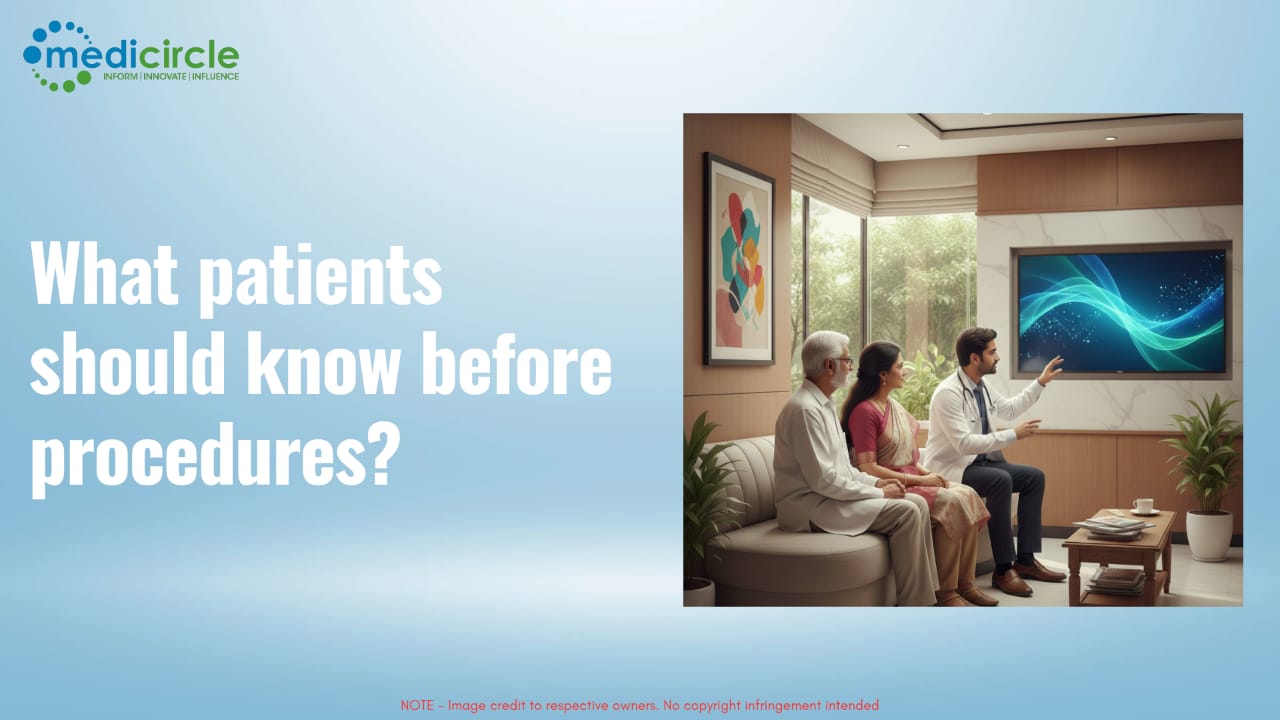
 Preparing for a medical procedure empowers patients to ask informed questions, plan safely and recover confidently, transforming anxiety into clarity through communication, organization and active participation in care.




Facing a medical procedure can feel overwhelming. That flutter in your stomach, the long list of questions, the uncertainty, it is a common experience for anyone stepping into a hospital or clinic. But what if this time could feel different? What if, instead of just anxiety, you could also feel a sense of clarity and control? This is not about becoming a medical expert overnight. It is about transforming from a passive patient into an active participant in your own care. For anyone in India navigating the healthcare system, a little preparation goes a very long way.
The first step to confidence:
Let us start with the most important tool you have, your voice. Many people feel hesitant to bother their doctor with too many questions. It is time to shake off that feeling. A clear, honest conversation with your doctor is the foundation of good care and it is your absolute right.
Start with the basics. Ask for the exact name of the procedure and have the doctor explain its goal in plain language. Why is this specific procedure the right choice for your condition? Understanding the why helps you see the full picture. Next, ask about the road not taken. Are there other treatment options? This could include different procedures, non-surgical approaches or even a period of watchful waiting. A trustworthy doctor will discuss the potential benefits, the possible risks and the realistic outcomes of each path with you. This conversation ensures the final decision aligns with your health goals and personal comfort.
The practicalities:
Once the medical details are clear, your focus can shift to practical preparation. This is where good organization can significantly ease your stress. Hospitals usually provide a list of instructions; treat this as your personal roadmap.
Two areas need particular attention, fasting and medications. The rules about when to stop eating and drinking are not suggestions; they are critical for your safety. Follow them to the letter. Equally crucial is your regular medication list. You must tell your doctor about everything you take, including prescription drugs, over the counter pills, Ayurvedic supplements or homemade remedies. Get clear, written instructions on which to continue, which to pause and when to restart.
Do not overlook the logistics. Healthcare is a team effort and your family or friends are key players. Arrange for a responsible adult to accompany you; most facilities insist on it for your safe return home. Think ahead about transportation and a little extra support for the first day or two of recovery. Also, tackle the paperwork and understand the cost estimates beforehand. Sorting insurance approvals and administrative details in advance means one less thing to worry about when your mind is on your health.
The final check:
In the final 24 hours, your role is to rest and follow instructions. A good night’s sleep is helpful preparation. Use any special antiseptic washes if provided and pack a small bag with loose, comfortable clothes for the journey home, along with your documents.
Remember, the dialogue with your care team does not end when the procedure does. Before you leave the hospital, make sure you have a clear discharge plan. What side effects are normal and which are warning signs that need a doctor’s immediate attention? What are the rules for diet, physical activity, wound care and medication? Knowing what to expect during recovery is a powerful recipe for peace of mind and faster healing.
Taking charge of your life:
Choosing to be informed is the first step toward empowered healthcare. It leads to safer experiences, more realistic expectations and ultimately, better outcomes. It builds a partnership with your doctors based on transparency and trust.
The landscape of Indian healthcare is increasingly embracing this patient centric approach, focusing on clarity and communication. By asking questions and preparing thoughtfully, you turn a moment of vulnerability into an opportunity for strength. You are not just getting a procedure; you are taking a confident, active step on your journey to better health.






.jpeg)










.jpg)
.jpg)
.jpg)
.jpg)
.jpg)
.jpg)


.jpg)