Sunday, October 25, 2026
 Recognizing early warning signs, emotional patterns, and changes in daily functioning can help individuals seek mental health support before challenges become overwhelming. Understanding emotional well-being, stress management, resilience, and professional support options creates a stronger foundation for long-term mental wellness and personal growth.





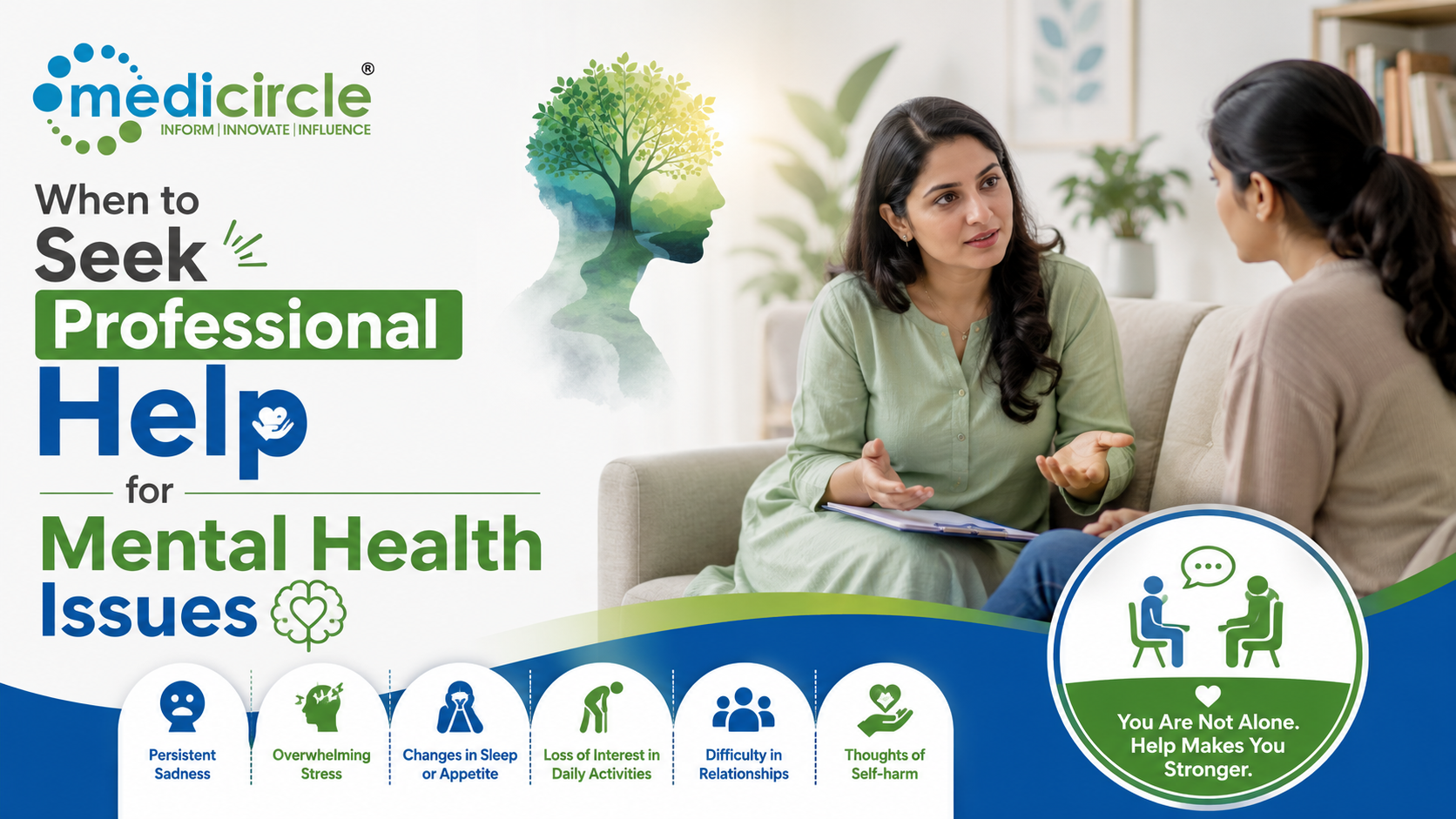
When to Seek Professional Help for Mental Health Issues
Mental health challenges rarely appear overnight. In many cases, they develop gradually through stress, emotional strain, life changes, work pressure, academic demands, relationship difficulties, or unresolved experiences. The difficulty is that many people do not recognize when normal emotional struggles begin turning into something that requires professional support. Understanding when to seek professional help for mental health issues can make a significant difference in recovery, quality of life, and long-term well-being.
People often wait until problems become overwhelming before reaching out for help. Yet early support can prevent symptoms from becoming more severe and can help individuals develop healthier coping strategies. Whether you are a student navigating academic pressure, an entrepreneur managing uncertainty, a professional balancing responsibilities, or someone concerned about a loved one, understanding the signs and options available is an important step toward better mental health.
Why Mental Health Problems Are Often Difficult to Recognize Early
One of the biggest challenges in mental health is that emotional difficulties do not always look dramatic. Unlike a physical injury that can be seen or measured, mental health concerns often develop quietly. A person may continue attending classes, running a business, or fulfilling daily responsibilities while struggling internally.
Many people assume that feeling stressed, anxious, exhausted, or emotionally overwhelmed is simply part of modern life. While occasional stress is normal, persistent emotional difficulties can gradually affect concentration, motivation, relationships, sleep patterns, decision-making, and overall functioning.
Students may believe their constant worry is simply academic pressure. Entrepreneurs may assume burnout is the unavoidable cost of building a business. Professionals may normalize chronic stress because everyone around them appears equally overwhelmed. This normalization often delays help-seeking behavior.
Another reason early signs are missed is that symptoms can appear differently across individuals. Some people become withdrawn and quiet. Others become irritable, restless, or excessively busy. Mental health concerns do not follow a single pattern, which makes awareness especially important.
Understanding these variations helps people recognize that mental health support is not reserved for crisis situations. It can also be valuable during periods of increasing emotional strain before problems significantly disrupt daily life.
When Everyday Stress Begins to Become a Mental Health Concern
Stress itself is not necessarily harmful. In fact, moderate stress can motivate people to study, work, solve problems, and adapt to challenges. The concern arises when stress becomes persistent, overwhelming, or difficult to manage.
A useful question is not whether stress exists, but whether it is beginning to affect important areas of life. This transition often happens gradually rather than suddenly.
Signs that stress may require professional attention include:
- Emotional difficulties remain present for weeks rather than days
Temporary emotional reactions are normal after setbacks or difficult events. However, when sadness, anxiety, frustration, or emotional exhaustion continue for extended periods without meaningful improvement, they may indicate a deeper issue that deserves professional evaluation. - Daily functioning starts becoming noticeably harder
Tasks that once felt manageable may begin requiring significantly more effort. Students may struggle to focus on assignments, professionals may find decision-making difficult, and entrepreneurs may lose motivation for projects they previously enjoyed. - Relationships begin showing signs of strain
Mental health challenges often affect communication and emotional regulation. Increased conflict, social withdrawal, irritability, or difficulty connecting with others may indicate that emotional difficulties are extending beyond personal stress.
These signs do not automatically mean someone has a mental health disorder. They do suggest that additional support may be beneficial before challenges become more severe.
The Difference Between Temporary Emotional Struggles and Persistent Symptoms
Everyone experiences difficult periods. Grief, disappointment, uncertainty, and frustration are normal parts of life. Seeking help does not require eliminating all emotional discomfort. Instead, it involves recognizing when emotional experiences become persistent, intense, or disruptive.
Temporary emotional reactions usually improve as situations change or as people adapt. Persistent symptoms tend to continue even when circumstances improve. They may also begin affecting multiple areas of life simultaneously.
For example, a student preparing for examinations may experience short-term anxiety. This often decreases after exams end. In contrast, ongoing anxiety that affects sleep, concentration, appetite, and social interactions may indicate a need for professional support.
Similarly, an entrepreneur facing business challenges may experience understandable stress. However, persistent hopelessness, chronic exhaustion, emotional numbness, or overwhelming worry may suggest that stress has progressed beyond a temporary response.
The duration, intensity, and impact of symptoms often provide more useful insight than the specific emotions themselves.
How Mental Health Challenges Affect Different Areas of Life
Mental health rarely stays confined to one area. Emotional difficulties often create a ripple effect that influences multiple aspects of daily functioning.
Students may notice declining academic performance despite increased effort. Concentration becomes more difficult, memory may feel less reliable, and motivation often decreases.
Professionals may experience reduced productivity, difficulty prioritizing tasks, and increased workplace stress. Decision-making can become more challenging, particularly when emotional exhaustion is present.
Entrepreneurs and business owners face unique challenges because their personal well-being often directly influences business operations. Mental fatigue may affect creativity, risk assessment, strategic planning, and leadership effectiveness.
Relationships frequently become affected as well. Friends, family members, and partners may notice behavioral changes before the individual fully recognizes them. Emotional withdrawal, irritability, reduced communication, and loss of interest in social activities are common signs that emotional strain is extending beyond internal experiences.
Recognizing these broader impacts helps people understand that mental health influences overall life functioning rather than existing as a separate issue.
Situations Where Professional Support Can Be Especially Valuable
Many people assume therapy or counseling is only appropriate during severe crises. In reality, professional support can be helpful across a wide range of situations.
Professional support may be useful when:
- Major life transitions create prolonged uncertainty
Starting university, changing careers, relocating, ending relationships, becoming a parent, or launching a business can create significant emotional adjustment challenges. Professional guidance can help individuals navigate these transitions more effectively. - Coping strategies no longer seem effective
Activities that previously helped manage stress, such as exercise, hobbies, social support, or rest, may stop providing meaningful relief. This often indicates that additional tools and strategies may be needed. - Repeated patterns continue appearing despite personal efforts
Some individuals find themselves experiencing similar emotional difficulties repeatedly. Professional support can help identify underlying patterns and develop more sustainable solutions.
Seeking help during these situations often prevents problems from escalating and supports healthier adaptation over time.
Understanding Common Barriers That Prevent People from Seeking Help
Even when people recognize they are struggling, many hesitate to seek support. These barriers are often based on misconceptions rather than actual limitations.
One common belief is that problems must become severe before professional help is justified. This mindset can delay support until symptoms significantly impact functioning.
Others worry that seeking help reflects weakness or failure. In reality, recognizing when additional support is needed demonstrates self-awareness and proactive problem-solving.
Some individuals believe they should be able to handle everything independently. While resilience is valuable, human beings naturally benefit from guidance, support, and perspective during challenging periods.
Practical concerns such as time, cost, and uncertainty about where to start also influence help-seeking behavior. Fortunately, modern mental health resources include in-person services, virtual counseling, employee assistance programs, university support services, and community-based options that make support more accessible than ever before.
Understanding these barriers helps people evaluate whether hesitation is based on actual obstacles or outdated assumptions.
How to Choose the Right Type of Mental Health Support
Not all mental health support looks the same. Different individuals benefit from different approaches depending on their needs, goals, and circumstances.
Some people benefit from short-term counseling focused on specific challenges such as stress management, career transitions, or relationship difficulties. Others may require longer-term therapeutic support for ongoing emotional concerns.
Students often benefit from campus counseling services that understand academic pressures and developmental challenges. Professionals may prefer confidential support focused on workplace stress and work-life balance. Entrepreneurs frequently benefit from support that addresses uncertainty, burnout, leadership pressures, and decision-making demands.
The most effective support often begins with a simple conversation. Initial consultations help determine whether a particular provider or approach feels appropriate. Building a supportive professional relationship is frequently one of the most important factors in achieving positive outcomes.
Rather than searching for a perfect solution immediately, it is often more helpful to focus on taking the first step toward exploration and support.
The Long-Term Benefits of Seeking Help Early
Early intervention often produces benefits that extend far beyond symptom reduction. Professional support can improve emotional awareness, communication skills, resilience, problem-solving abilities, and self-understanding.
People who seek help earlier frequently develop healthier coping strategies before difficulties become deeply ingrained. This allows them to respond more effectively to future challenges and life transitions.
Students may improve academic performance and confidence. Professionals often experience better productivity and reduced burnout. Entrepreneurs may strengthen decision-making and leadership effectiveness. Relationships frequently improve as emotional regulation and communication skills develop.
Perhaps most importantly, early support helps people recognize that mental health is not simply about managing problems. It is also about building skills that support long-term well-being, adaptability, and personal growth.
Conclusion
Understanding when to seek professional help for mental health issues is not about waiting for a crisis. It is about recognizing when emotional challenges begin affecting daily life, relationships, work, studies, or overall well-being. Early support often leads to better outcomes, healthier coping strategies, and greater resilience.
Mental health exists on a continuum, and seeking help is not a sign of weakness. It is a proactive step toward understanding yourself, managing challenges effectively, and building a stronger foundation for long-term well-being.
1. Can mental health issues develop even if life seems normal on the outside?
Yes. Many people continue studying, working, running businesses, or managing family responsibilities while struggling internally. Emotional difficulties do not always stop daily functioning immediately. Over time, changes in emotional well-being and stress levels may become harder to manage, making mental wellness support increasingly valuable.
2. How do I know if my stress is becoming something more serious?
A useful sign is whether stress continues affecting multiple areas of life for an extended period. If concentration, sleep, motivation, or relationships begin suffering consistently, it may be more than temporary stress. Understanding patterns in stress management and seeking guidance can help protect long-term resilience.
3. Why do some people delay seeking mental health support for years?
Many individuals assume their struggles are temporary or believe they should manage everything alone. Others compare themselves to people who appear to be coping better. However, delaying support often allows challenges to become more difficult to address. Early attention to mental wellness and self-awareness can make recovery easier.
4. Can workplace pressure or entrepreneurship affect mental health differently?
Yes. Business owners, entrepreneurs, and professionals often face ongoing uncertainty, responsibility, and decision fatigue. Unlike short-term stress, these pressures can accumulate gradually. Developing healthy stress management habits and maintaining strong emotional well-being become essential for sustainable performance.
5. Is therapy only for people with severe mental health conditions?
No. Therapy can help individuals manage everyday challenges, life transitions, relationship concerns, and emotional strain before they become overwhelming. Many people use professional support to strengthen resilience, improve communication skills, and maintain overall mental wellness rather than addressing only severe concerns.
6. What role do relationships play in identifying mental health concerns?
Friends, family members, and colleagues often notice changes before the individual does. Withdrawal, irritability, loss of interest, or difficulty communicating may indicate declining emotional well-being. Paying attention to these patterns can support early intervention and better mental wellness outcomes.
7. Can physical symptoms be connected to mental health struggles?
Yes. Emotional challenges frequently influence sleep quality, energy levels, appetite, concentration, and even physical tension. This connection demonstrates why stress management is important not only for mental health but also for overall functioning and long-term emotional well-being.
8. How can students tell the difference between academic pressure and a mental health issue?
Academic stress is common, but persistent emotional exhaustion, loss of motivation, constant worry, or difficulty functioning beyond exam periods may suggest something deeper. Building resilience and monitoring changes in mental wellness can help students identify when additional support may be beneficial.
9. What benefits come from seeking help before reaching a crisis point?
Early support often leads to better outcomes because challenges are addressed before becoming deeply rooted. Individuals gain practical coping tools, stronger stress management skills, and greater self-awareness. This proactive approach helps strengthen both emotional well-being and long-term adaptability.
10. How can someone support a loved one who may be struggling mentally?
The most effective approach is usually listening without judgment and encouraging open conversation. Rather than trying to solve every problem, creating a supportive environment helps individuals feel understood. Supporting mental wellness while promoting healthy emotional well-being can make it easier for someone to seek help when needed.





-23-300x250.png)

.jpeg)


.jpg)
.jpg)
.jpg)
.jpg)
.jpg)
.jpg)
.jpg)
.jpg)
.jpg)