Wednesday, October 07, 2026
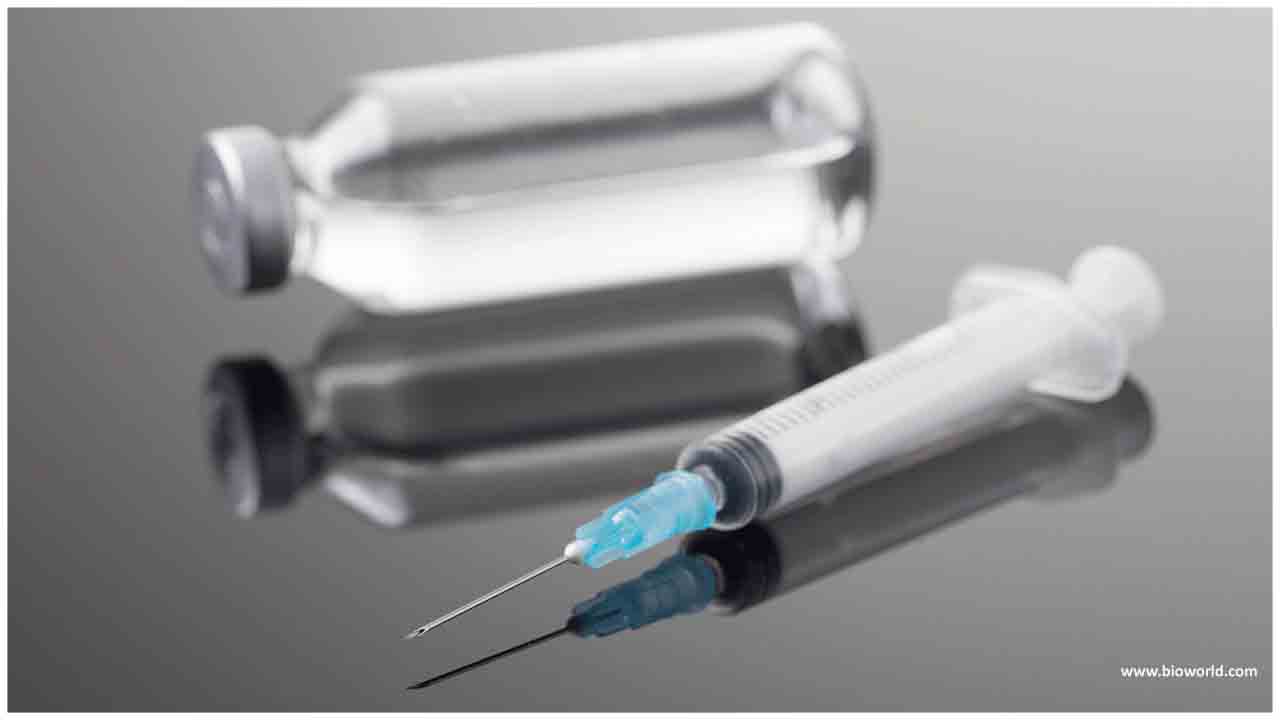
 Covid vaccine work advances at steady pace




72 economies are now engaged in discussions to potentially participate in COVAX, a global initiative aimed at working with vaccine manufacturers to provide countries worldwide equitable access to safe and effective vaccines, once they are licensed and approved. COVAX currently has the world’s largest and most diverse COVID-19 vaccine portfolio - including nine candidate vaccines, with a further nine under evaluation and conversations underway with other mayor producers.
COVAX, the vaccines pillar of the Access to COVID-19 Tools (ACT) Accelerator, is co-led by the Coalition for Epidemic Preparedness Innovations (CEPI), Gavi, the Vaccine Alliance, and the World Health Organization (WHO) – working in partnership with developed and developing country vaccine manufacturers. It is the only global initiative that is working with governments and manufacturers to ensure COVID-19 vaccines are available worldwide to both higher-income and lower-income countries.
In order to be able to secure enough doses of vaccines to protect the most vulnerable populations, such as health workers and the elderly, the next step for the partnership is to confirm potential self-financing participants’ intent to participate by 31 August and to turn these into binding commitments to join the COVID-19 Vaccine Global Access Facility (COVAX Facility) by 18 September, with first upfront payments to follow thereafter, and no later than 9 October 2020.
“Equal access to a COVID-19 vaccine is the key to beating the virus and paving the way for recovery from the pandemic,” said Stefan Löfven, Prime Minister of Sweden. “This cannot be a race with a few winners, and the COVAX Facility is an important part of the solution – making sure all countries can benefit from access to the world’s largest portfolio of candidates and fair and equitable distribution of vaccine doses.”
The COVAX Facility is a Gavi-coordinated pooled procurement mechanism for new COVID-19 vaccines, through which COVAX will ensure fair and equitable access to vaccines for each participating economy, using an allocation framework currently being formulated by WHO. The COVAX Facility will do this by pooling buying power from participating economies and providing volume guarantees across a range of promising vaccine candidates, allowing those vaccine manufacturers whose expertise is essential to large scale production of the new vaccines, to make early, at-risk investments in manufacturing capacity – providing participating countries and economies with the best chance at rapid access to doses of a successful COVID-19 vaccine.
The success of COVAX hinges not only on countries signing up to the COVAX Facility, but also filling key funding gaps for both COVAX R&D work and a mechanism to support participation of lower-income economies in the COVAX Facility.
“COVID-19 is an unprecedented global health challenge that can only be met with unprecedented cooperation between governments, researchers, manufacturers and multilateral partners,” said Dr Tedros Adhanom Ghebreyesus, Director-General of WHO. “By pooling resources and acting in solidarity through the ACT Accelerator and the COVAX Facility, we can ensure that once a vaccine is available for COVID-19, it’s available equitably to all countries.”
CEPI is leading COVAX vaccine research and development work, which aims to develop three safe and effective vaccines which can be made available to countries participating in the COVAX Facility. Nine candidate vaccines are currently being supported by CEPI; seven of which are currently in clinical trials. Governments, vaccine manufacturers (in addition to their own R&D), organizations and individuals have committed US$ 1.4 billion towards vaccine R&D so far, but an additional US$1 billion is urgently needed to continue to move the portfolio forward.
A further nine candidates vaccines which complement the current CEPI portfolio are currently being evaluated for inclusion in COVAX. Furthermore, COVAX will consider procuring vaccines that complement the portfolio from any producer in the world; conversations are already underway with a number of additional manufacturers not receiving R&D support from CEPI to procure their vaccines if they are successful. Maximizing the portfolio of vaccines increases the probability of success as individual vaccines historically have a high failure rate.
“In the scramble for a vaccine, countries can act alone – creating a few winners, and many losers - or they can come together to participate in COVAX, an initiative which is built on enlightened self-interest but also equity, leaving no country behind,” said Richard Hatchett, CEO of CEPI. “Only by taking a global view can we protect those most at risk around the world from the terrible effects of this disease. COVAX can deliver the vaccines that could end the pandemic, but it needs countries to step forward both to join the COVAX Facility, and also to address the serious funding shortfalls, including for R&D. The decisions that are taken now about COVID-19 vaccines have the power to change our future. We must be courageous and ambitious in striving for a multilateral solution.”
A collaboration between Serum Institute of India (SII), Gavi and the Bill & Melinda Gates Foundation announced earlier this month will ensure up to 100 million doses of AstraZeneca or Novavax’s candidate vaccines, if successful, will be available to low- and middle-income economies through the COVAX Facility at just US$ 3 per dose. The arrangement also provides an option to secure additional doses if COVAX sees a need for it. Separate agreements between Gavi, CEPI and AstraZeneca, announced in June, guarantee a further 300 million doses of their candidate vaccine, if successful, for the COVAX Facility.
In addition, in June Gavi launched the COVAX Advance Market Commitment (AMC), a financing instrument aimed at supporting the participation of 92 lower and middle income economies in the COVAX Facility. The COVAX AMC has raised more than US$ 600 million against an initial target of securing US$ 2 billion seed funding from sovereign donors as well as philanthropy and the private sector, needed by the end of 2020. Funding the COVAX AMC will be critical to ensuring ability to pay is not a barrier to accessing COVID-19 vaccines, a situation which would leave the majority of the world unprotected, with the pandemic and its impact continuing unabated.
Eighty higher-income economies, which would finance the vaccines from their own public finance budgets, have so far submitted Expressions of Interest ahead of the deadline of 31 August for confirmation of intent to participate. They will partner with 92 low- and middle-income countries that will be supported by the AMC if it meets its funding targets. Together, this group of 172 countries represents more than 70% of the world’s population. Among the group are representatives from every continent and more than half of the world’s G20 economies.
“The momentum we are witnessing behind this unprecedented global effort means there could be light at the end of the tunnel: A vaccine is our best route to ending the acute phase of the pandemic and the COVAX effort is the best way to get there,” said Dr Seth Berkley, CEO of Gavi, the Vaccine Alliance. “For higher-income countries it represents a win-win: not only will you be guaranteed access to the world’s largest portfolio of vaccines, you will also be negotiating as part of a global consortium, bringing down prices and ensuring truly global access. Signing up to the COVAX Facility gives each country its best chance at protecting the most vulnerable members of their populations – which in turn gives the world its best chance at mitigating the toll this pandemic has taken on individuals, communities and the global economy. To make this end-to-end vision a reality, we need countries to make end-to-end commitments: funding R&D, signing up to the Facility, and supporting the COVAX AMC.”
The COVAX Facility is coordinated by Gavi, the Vaccine Alliance, and forms a key part of COVAX – the vaccines pillar of the ACT Accelerator, a ground-breaking global collaboration involving vaccine manufacturers to accelerate the development, production, and equitable access to COVID-19 tests, treatments, and vaccines. The overall aim of COVAX is to accelerate the development and manufacture of COVID-19 vaccines, and to guarantee fair and equitable access for every country in the world. It will achieve this by sharing the risks associated with vaccine development, and where necessary investing in manufacturing upfront so vaccines can be deployed at scale as soon as they are proven to be safe and effective, and pooling procurement and purchasing power to achieve sufficient volumes to end the acute phase of the pandemic by 2021.
The goal of COVAX is by the end of 2021 to deliver two billion doses of safe, effective vaccines that have passed regulatory approval and/or WHO prequalification. These vaccines will be offered equally to all participating countries, proportional to their populations, initially prioritising healthcare workers then expanding to cover vulnerable groups, such as the elderly and those with pre-existing conditions. Further doses will then be made available based on country need, vulnerability and COVID-19 threat. The COVAX Facility will also maintain a buffer of doses for emergency and humanitarian use, including dealing with severe outbreaks before they spiral out of control.






.jpeg)




.jpg)
.jpg)
.jpg)
.jpg)
.jpg)
.jpg)


.jpg)
.jpg)
.jpg)
.jpg)
.jpg)
.jpg)