Sunday, October 25, 2026
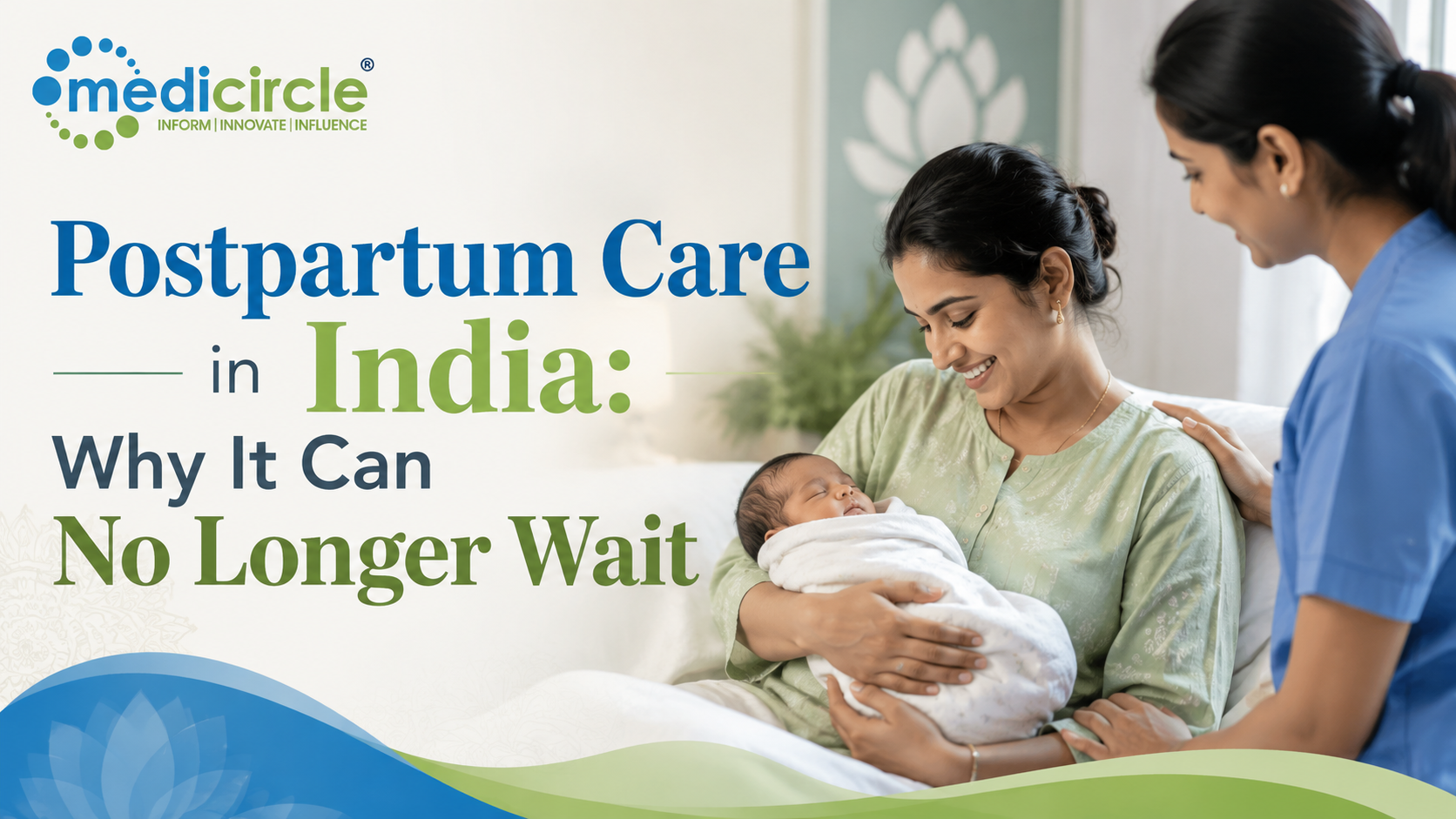
 Postpartum care in India remains critically underprioritized after childbirth, leaving mothers vulnerable to preventable physical complications, undiagnosed mental health disorders, and long-term health consequences requiring urgent systemic reform.





Introduction
India has made measurable progress in reducing maternal mortality over the past two decades. Institutional deliveries have risen sharply, antenatal check-ups have become more accessible, and government schemes like Janani Suraksha Yojana have brought more women into formal healthcare settings during pregnancy. Yet, there is a glaring gap in this picture, and it begins the moment a woman delivers her baby.
The weeks and months that follow childbirth, commonly referred to as the postpartum or postnatal period, represent one of the most physically and emotionally demanding phases in a woman's life. In India, this period is widely underserved by the formal healthcare system. The focus shifts almost entirely to the newborn, and the mother's recovery, mental health, nutritional needs, and physical rehabilitation are left largely to family tradition, informal support, or sheer individual resilience.
This is not simply a gap in awareness. It is a systemic failure that carries real consequences, including preventable maternal deaths, long-term physical complications, and a rising but undiagnosed burden of postpartum mental health disorders. India's maternal health conversation must move beyond delivery rooms and extend meaningfully into the weeks and months that follow.
Understanding the Postpartum Period and What It Demands
The postpartum period is medically defined as the six weeks following childbirth, though many healthcare experts now advocate for extending this window to at least one year, given how long physical and emotional recovery actually takes. During this time, a woman's body undergoes significant hormonal changes, uterine involution, healing from delivery-related injuries or surgical wounds, and, if she is breastfeeding, sustained metabolic demands.
Beyond the physical dimension, new mothers also navigate a profound psychological transition. Hormonal fluctuations, sleep deprivation, changes in identity and relationships, and the pressure of infant care create conditions in which mental health disorders can emerge or worsen. Postpartum depression is the most widely discussed, but the spectrum also includes postpartum anxiety, postpartum psychosis, and birth-related post-traumatic stress.
In India, this entire spectrum of need goes largely unmet. Postnatal follow-up visits in the public health system are minimal. Private hospitals discharge mothers within 24 to 72 hours of delivery with little structured guidance. Community-level health workers are often better trained to monitor the newborn than to assess the mother's recovery.
The Scale of the Problem in India
The numbers tell a sobering story. According to the National Family Health Survey (NFHS-5), while 88.6 percent of births in India now take place in institutional settings, postnatal care coverage for mothers within two days of delivery remains significantly lower, particularly in rural areas and among economically disadvantaged populations.
Postpartum hemorrhage, infections, and hypertension continue to account for a substantial share of maternal deaths in India. Many of these deaths occur in the days and weeks after delivery, not during it. This points directly to the inadequacy of postnatal monitoring and follow-up care.
On the mental health front, studies published in peer-reviewed Indian journals estimate that postpartum depression affects anywhere between 11 and 23 percent of new mothers in India. Most of these cases go undiagnosed and untreated. Screening for postpartum depression is not yet a standardized component of postnatal care in either public or private healthcare settings across the country.
Nutritional deficiency is another layered concern. Many Indian mothers enter the postpartum period already dealing with iron deficiency anemia, which is highly prevalent among women of reproductive age in India. Without structured nutritional guidance and supplementation after delivery, recovery is compromised, breastfeeding quality is affected, and the mother's own long-term health suffers.
Why Postpartum Care Falls Through the Cracks
Several interconnected factors explain why postnatal maternal care receives so little attention in the Indian context.
Cultural norms that substitute for clinical care. Traditional postpartum practices, often guided by family elders, do provide some support to new mothers in the form of dietary prescriptions, rest periods, and massage. However, these practices vary enormously across regions and communities, are not evidence-based, and cannot replace structured medical follow-up. They also tend to prioritize physical rituals over emotional or psychological support.
System-level gaps. India's public health infrastructure, including Accredited Social Health Activists (ASHAs) and Auxiliary Nurse Midwives (ANMs), focuses postnatal home visits heavily on newborn care, vaccination follow-up, and breastfeeding counseling. Maternal recovery assessments are cursory at best. There is no standardized national protocol for postnatal mental health screening.
Awareness deficits. Many new mothers and their families do not know what signs of postpartum complications to watch for. Symptoms of postpartum depression are frequently dismissed as normal emotional adjustment. Physical warning signs like prolonged bleeding, fever, or swelling are often managed with home remedies before professional help is sought.
Urban-rural and socioeconomic disparities. Access to quality postnatal care is deeply unequal. Women in urban areas with access to private hospitals and informed support networks fare better than those in rural or semi-urban settings. Even in cities, women from lower-income households often cannot afford extended postnatal consultations or specialist referrals.
What Comprehensive Postpartum Care Should Include
Reframing postpartum care as a clinical priority requires clarity about what that care should actually entail. Evidence-based postnatal care for mothers should include:
- Physical recovery monitoring: assessment of uterine involution, wound healing (whether perineal or caesarean), blood pressure, and bleeding patterns at multiple points across the first six weeks
- Nutritional support: structured guidance on diet, iron and calcium supplementation, and management of breastfeeding challenges
- Mental health screening: use of validated tools such as the Edinburgh Postnatal Depression Scale (EPDS) at the first postnatal visit, with clear referral pathways for women who screen positive
- Contraceptive counseling: guidance on birth spacing that is respectful, non-coercive, and timed appropriately
- Pelvic floor and physical rehabilitation: often entirely absent from Indian postnatal care protocols despite being clinically essential
- Social and community support: structured access to peer groups, lactation consultants, and community health workers trained in maternal mental health
The Role of Policy and Healthcare Systems
For postpartum care to become a genuine priority in India, the policy conversation must evolve. The Ministry of Health and Family Welfare has made strides in maternal health through programs like LaQshya, which focuses on quality improvement in labor rooms and maternity operation theaters. However, LaQshya and similar initiatives address the delivery experience more than the weeks that follow.
There is a need for a dedicated national postnatal care protocol that extends beyond the traditional 42-day window, incorporates mental health screening as a standard step, and holds both public and private facilities accountable for structured follow-up. The Ayushman Bharat Health and Wellness Centres, which are being positioned as comprehensive primary care hubs, represent a significant opportunity to deliver postnatal care at the community level if adequately trained and resourced.
Medical education also needs to shift. Postpartum mental health, pelvic floor rehabilitation, and long-term postnatal nutrition are not areas that receive significant clinical training emphasis in India. Building this knowledge into undergraduate and postgraduate medical and nursing curricula would create a cadre of providers who are equipped to support new mothers comprehensively.
What Hospitals and Healthcare Providers Can Do Now
Healthcare institutions do not need to wait for policy reform to begin improving postpartum care. Several practical changes can make an immediate difference.
Hospitals can introduce structured postnatal discharge checklists that include mental health indicators, not just physical recovery markers. Scheduling at least two postnatal follow-up appointments at two weeks and six weeks as a default, rather than leaving it to the patient's initiative, would dramatically improve early detection of complications.
Training existing nursing and midwifery staff in postnatal mental health screening and first-response counseling is achievable within current resource constraints. Partnering with community health workers to conduct home visits for higher-risk mothers, including those with caesarean births, first-time mothers, or women with a history of mental health conditions, can extend the reach of hospital-based care into the community.
Digital health platforms and telemedicine tools, which saw significant uptake in India during the pandemic period, offer a practical solution for postnatal follow-up in settings where physical access is limited. Virtual consultations with obstetricians, lactation counselors, and mental health professionals can reach women in Tier 2 and Tier 3 cities who would otherwise have no postnatal support beyond a single hospital visit.
The Broader Case for Change
When a mother recovers well, the benefits extend far beyond her individual health. A physically healthy and emotionally supported mother is better equipped to breastfeed, bond with her infant, and provide the early developmental stimulation that determines a child's cognitive and emotional trajectory. Postpartum depression, if untreated, has documented effects on infant development, household functioning, and the mother's own long-term productivity and quality of life.
India's investment in maternal health cannot stop at safe delivery. The return on investment from comprehensive postnatal care, in terms of reduced maternal morbidity, better infant outcomes, lower long-term healthcare costs, and improved workforce participation among women, is substantial and well-supported by global evidence.
Platforms like Medicircle play a meaningful role in advancing this conversation by bringing expert voices, patient perspectives, and evidence-based awareness to a wider audience. Closing the postpartum care gap in India will require doctors, hospitals, policymakers, and media platforms to work in the same direction.
Conclusion
Postpartum care in India is at a crossroads. The country has invested significantly in ensuring that more women deliver in institutional settings, and that achievement deserves recognition. But delivery is not the finish line. For millions of Indian mothers, the real challenge begins after they leave the hospital.
Closing the postpartum care gap requires coordinated action across healthcare policy, clinical practice, medical education, and public awareness. It requires treating maternal recovery as a medical priority rather than a domestic responsibility. And it requires the healthcare community to acknowledge that a mother's health, physical, emotional, and psychological, is not secondary to that of her newborn. It is inseparable from it.
The time to make postpartum care a central pillar of India's maternal health agenda is not approaching. It is already overdue.
Frequently Asked Questions
Q1: What is the postpartum period and how long does it last?
The postpartum period traditionally refers to the six weeks following childbirth. However, many medical experts now recommend monitoring and supporting new mothers for up to one year after delivery, as physical and emotional recovery often extends well beyond the initial six-week window.
Q2: What are the common signs of postpartum depression in Indian mothers?
Common signs include persistent sadness, loss of interest in the baby or daily activities, excessive crying, anxiety, sleep disturbances beyond normal newborn disruption, feelings of hopelessness, and in severe cases, thoughts of self-harm. These symptoms are frequently mistaken for normal adjustment difficulties and often go undiagnosed in India.
Q3: Why is postpartum care so inadequate in India?
Several factors contribute, including limited postnatal follow-up protocols in the public health system, cultural reliance on traditional practices over clinical care, low awareness of postpartum complications, absence of standardized mental health screening, and significant urban-rural disparities in healthcare access.
Q4: What government schemes support maternal health in India after childbirth?
Janani Suraksha Yojana provides cash incentives for institutional delivery and includes provisions for postnatal follow-up visits by ASHA workers. The LaQshya programme focuses on improving quality of care in maternity units. Ayushman Bharat Health and Wellness Centres are intended to provide comprehensive primary care including postnatal services, though implementation remains uneven.
Q5: How can Indian hospitals improve postpartum care without major additional resources?
Hospitals can introduce structured postnatal discharge checklists, schedule mandatory two-week and six-week follow-up appointments, train nursing staff in basic mental health screening using validated tools like the Edinburgh Postnatal Depression Scale, and leverage telemedicine for postnatal consultations in cases where physical access is difficult.
Resources
- Ministry of Health and Family Welfare, Government of India: Maternal health programmes, LaQshya guidelines, and postnatal care policy documents
- World Health Organization (WHO): Global recommendations on postnatal care for mother and newborn, including evidence-based care protocols
- Indian Council of Medical Research (ICMR): Research publications on maternal mental health, postpartum depression prevalence, and maternal mortality in India
- National Family Health Survey (NFHS-5): Data on institutional deliveries, postnatal care coverage, and maternal health indicators across Indian states
- NITI Aayog: Reports on maternal and child health outcomes and policy recommendations for India's health sector
Interlinking Keywords:
postpartum depression India, maternal mental health, postnatal care protocol, Janani Suraksha Yojana, Ayushman Bharat maternal health, breastfeeding support India, Edinburgh Postnatal Depression Scale, maternal mortality India, LaQshya programme, postnatal nutrition
Last Medically Reviewed by:
Editorial and Medical Review Team, Medicircle on 1 September 2026
Medical Disclaimer:
This article is intended for informational and awareness purposes only. It does not constitute medical advice, diagnosis, or treatment. Readers experiencing postpartum symptoms or concerns should consult a qualified healthcare professional. Medicircle does not recommend self-diagnosis or self-medication of any kind.





-23-300x250.png)

.jpeg)


.jpg)
.jpg)
.jpg)
.jpg)
.jpg)
.jpg)
.jpg)
.jpg)
.jpg)