Sunday, October 25, 2026
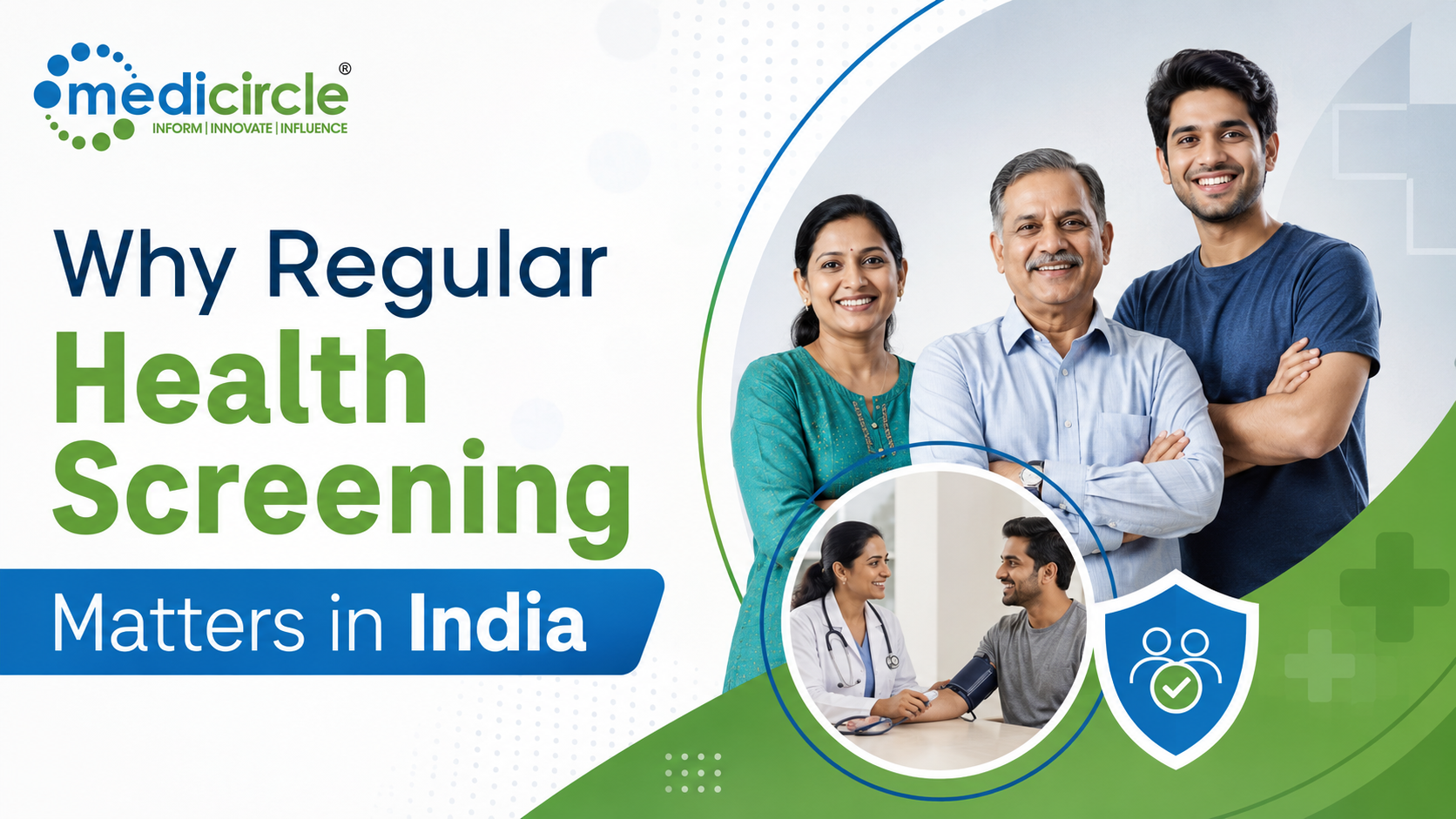
 Regular health screening in India enables early detection of diabetes, hypertension, and cancer, empowering individuals to act before silent diseases become life-threatening emergencies.





Introduction
India is facing a quiet but significant health crisis. According to the Indian Council of Medical Research (ICMR), non-communicable diseases such as diabetes, hypertension, cardiovascular disease, and certain cancers now account for more than 60 percent of all deaths in the country. What makes this particularly concerning is that a large number of these conditions develop silently, without any noticeable symptoms in the early stages, and are detected only when they have progressed to a point where treatment becomes more complex and more expensive.
Regular health screening is one of the most practical and evidence-backed tools available to address this challenge. It is the practice of undergoing periodic medical tests and assessments not because one is unwell, but precisely because early detection of health risks makes a meaningful difference in outcomes. For a country where lifestyle diseases are rising sharply due to changing diets, sedentary habits, increasing stress, and rapid urbanisation, building a culture of preventive health screening is no longer optional. It is a genuine public health necessity.
Platforms like Medicircle have been working to bring exactly this kind of awareness to patients, doctors, and healthcare communities across India, bridging the gap between expert medical knowledge and the people who need it most.
Understanding Preventive Health Screening
Health screening refers to the use of tests, examinations, and evaluations to detect diseases or risk factors in people who do not yet show any symptoms. The fundamental principle behind screening is simple: most chronic diseases, when caught early, respond far better to treatment than when they are identified at an advanced stage.
There is an important distinction between a diagnostic test and a screening test. A diagnostic test is performed when a person is already experiencing symptoms and a doctor is trying to identify the cause. A screening test, by contrast, is proactive. It is done when a person feels well, with the purpose of identifying hidden problems before they become clinical emergencies.
In the Indian context, preventive health screening takes on added importance due to several factors. Indians are known to have a higher genetic predisposition to type 2 diabetes and cardiovascular disease compared to many other ethnic populations. Research published by the ICMR and supported by international studies shows that Indians tend to develop metabolic risk factors at lower body weights and younger ages than Western populations. This means that relying only on symptoms or waiting until middle age to get screened can result in missed opportunities for early intervention.
Health screening also serves as a valuable checkpoint for understanding one's overall health status. When a person knows their current blood sugar levels, blood pressure, cholesterol profile, kidney function, and thyroid status, they are far better equipped to make informed decisions about their diet, lifestyle, and medical care.
Who Is at Risk and When Should Screening Begin
One of the most common misconceptions about health screening in India is that it is something only elderly people need to worry about. This belief has contributed to delayed diagnoses across age groups and has allowed preventable conditions to progress unchecked.
The reality is that risk factors for chronic diseases begin accumulating much earlier in life. Young professionals in Indian cities, particularly those between the ages of 25 and 40, are increasingly being diagnosed with hypertension, prediabetes, fatty liver disease, and thyroid disorders. The combination of irregular meal timings, high-calorie processed foods, prolonged sitting, chronic sleep deprivation, and elevated workplace stress has created a generation of adults with compromised metabolic health at a relatively young age.
Certain groups carry a higher baseline risk and should begin screening earlier and with greater frequency:
- Individuals with a parent or sibling diagnosed with type 2 diabetes, heart disease, or hypertension
- Those who are overweight or obese, particularly with central (abdominal) obesity
- Individuals who smoke, consume alcohol regularly, or lead a predominantly sedentary lifestyle
- Women with polycystic ovarian syndrome (PCOS) or a history of gestational diabetes
- People from certain communities or states with known higher prevalence of hereditary conditions
For the general population, most Indian healthcare experts and the National Health Mission recommend that basic health screening begins no later than age 30, with more comprehensive and frequent evaluations from age 40 onwards.
What Regular Health Screening Actually Detects
The value of health screening lies in its ability to identify a range of conditions that would otherwise remain hidden for years. Understanding what can be detected through routine screening helps individuals appreciate why these tests are worth prioritising.
Metabolic and Cardiovascular ConditionsBlood glucose testing, including fasting glucose and HbA1c, can identify prediabetes and undiagnosed type 2 diabetes. India has the second largest diabetic population in the world, with estimates suggesting that nearly 101 million people were living with diabetes as of 2023. What is particularly troubling is that a significant proportion of these individuals are unaware of their diagnosis. Lipid profile tests measure cholesterol and triglyceride levels, which are major contributors to cardiovascular risk. Blood pressure measurement remains one of the simplest and most cost-effective screening tools available, capable of identifying hypertension that often causes no symptoms but silently damages the heart, kidneys, and brain over time.
Thyroid DisordersThyroid dysfunction, both hypothyroidism and hyperthyroidism, is remarkably common among Indian adults, with women being disproportionately affected. A thyroid-stimulating hormone (TSH) test is a straightforward blood test that can detect thyroid imbalance early, preventing downstream effects on weight, energy, mood, fertility, and cardiovascular health.
Kidney and Liver FunctionChronic kidney disease and non-alcoholic fatty liver disease are increasingly prevalent in India, often linked to uncontrolled diabetes, hypertension, and obesity. Kidney function tests including serum creatinine and urine albumin, and liver function tests measuring enzymes and bilirubin, can reveal organ damage at a stage where lifestyle changes and medication can slow or reverse progression.
Cancer Risk DetectionCertain cancers are now screened for routinely in India. Cervical cancer, which remains a major cause of cancer-related deaths among Indian women, can be identified through a PAP smear test that detects pre-cancerous cellular changes years before cancer develops. Breast cancer screening through clinical examination and mammography has become increasingly important as breast cancer rates rise among Indian women, including those in younger age groups. Prostate-specific antigen (PSA) testing is discussed with men above 45, and colorectal cancer screening through stool-based tests is recommended for those above 50 with relevant risk factors.
Vitamin and Micronutrient DeficienciesIndia carries one of the highest burdens of vitamin D deficiency and iron deficiency anaemia in the world. These deficiencies, while not life-threatening in isolation, significantly affect immunity, bone health, energy, cognitive function, and long-term cardiovascular outcomes. A simple blood test can identify these gaps and allow for targeted nutritional supplementation.
The Role of Government Initiatives in Promoting Health Screening in India
The Government of India has recognised the importance of preventive health screening at the national policy level. Under the Ayushman Bharat programme, the Health and Wellness Centres (HWCs) initiative was launched with the goal of expanding access to comprehensive primary health care, including screening for non-communicable diseases, at the community level.
The National Programme for Prevention and Control of Cancer, Diabetes, Cardiovascular Diseases and Stroke (NPCDCS) specifically focuses on early detection of these conditions through population-level screening camps and health checks conducted at government facilities. States such as Kerala, Tamil Nadu, Karnataka, and Maharashtra have developed additional state-level programmes to improve screening coverage.
The Pradhan Mantri Jan Arogya Yojana (PM-JAY), often referred to as Ayushman Bharat Health Insurance, provides financial coverage for hospitalisation costs to eligible beneficiaries, reducing some of the financial barriers to care once a condition is identified. However, the emphasis from a preventive standpoint must be on promoting the screening that happens before hospitalisation becomes necessary.
The Ayushman Bharat Digital Mission (ABDM) is also working to create a national digital health infrastructure that, among other things, is expected to support longitudinal tracking of individual health records, making it easier for both patients and healthcare providers to monitor health screening history and flag gaps in preventive care.
How to Approach Health Screening Practically in India
Knowing that health screening matters and actually incorporating it into one's life are two different things. Many Indians face practical barriers, including time constraints, cost concerns, lack of awareness about which tests to get, and hesitation about what results might reveal.
A realistic and structured approach to health screening involves a few important steps.
First, an individual should consult their primary care physician or a general physician for a baseline health evaluation. This visit allows the doctor to understand the person's medical and family history, current symptoms or concerns, lifestyle habits, and risk factors. Based on this, the doctor can recommend which specific tests are relevant rather than a blanket battery of investigations.
Second, it is worth understanding that a preventive health screening does not have to be expensive to be effective. The most impactful tests, such as blood pressure measurement, fasting blood glucose, complete blood count, and lipid profile, are relatively affordable and widely available across India, including at government health centres and accredited diagnostic laboratories in Tier 2 and Tier 3 cities.
Third, consistency matters more than comprehensiveness in any single visit. A person who gets a basic health check every year and acts on its findings is deriving far more benefit than one who undergoes an extensive battery of tests once every five years without follow-through.
Finally, health screening results must be reviewed with a qualified medical professional. Self-interpretation of reports, particularly in the absence of clinical context, can lead to unnecessary anxiety or, conversely, false reassurance.
Turning Screening Results into Action
The purpose of health screening is not simply to generate a report. Its true value lies in what happens after. A screening result that identifies a borderline elevated blood sugar level, for instance, is an opportunity to intervene through dietary changes, increased physical activity, and regular monitoring, potentially preventing the development of full type 2 diabetes. A report showing low haemoglobin in a young woman can prompt investigations for iron deficiency, dietary improvements, and targeted supplementation that restores energy levels and protects long-term health.
When a screening result comes back normal, that too is clinically valuable. It establishes a personal baseline, provides reassurance, and motivates the individual to continue the lifestyle habits that are supporting their health.
Doctors and healthcare professionals play a central role in this process. The growing ecosystem of digital health platforms in India, including credible healthcare media and knowledge hubs, supports this by helping individuals understand their health reports, learn what questions to ask their doctors, and stay informed about new developments in preventive health care.
Conclusion
The burden of chronic, non-communicable disease in India is real, substantial, and growing. But it is not inevitable. Regular health screening represents one of the most accessible, impactful, and cost-effective strategies available to individuals, families, and communities to stay ahead of disease rather than react to it.
Early detection saves lives. It reduces the need for complex, costly treatments. It gives individuals the knowledge and the motivation to make meaningful lifestyle changes. And it enables the healthcare system to intervene at a point where intervention actually makes a difference.
Building a culture of preventive health in India requires collective commitment, from individuals making space in their schedules and budgets for regular screenings, to doctors integrating preventive counselling into every patient interaction, to platforms and institutions making reliable health information widely accessible. Responsible healthcare communication, of the kind that Medicircle stands for, plays a genuine and important role in supporting this shift.
The most powerful thing any person can do for their long-term health is not to wait for a symptom. It is to seek knowledge, understand their body, and take action while they still have every advantage on their side.
Frequently Asked Questions
Q1: At what age should Indians start getting regular health screenings?
Most doctors recommend beginning baseline health screenings from the age of 25 to 30, even for those who feel completely healthy. Indians with a family history of diabetes, hypertension, or heart disease should begin earlier, sometimes as young as 18 to 20 years. After the age of 40, annual comprehensive screenings become especially important.
Q2: Which tests are most important in a preventive health checkup in India?
A standard preventive health checkup in India typically includes a complete blood count, fasting blood glucose, HbA1c, lipid profile, kidney function tests, liver function tests, thyroid function tests, blood pressure measurement, and BMI assessment. Women should additionally include a PAP smear and mammography when age-appropriate. Men above 45 are often advised to include a PSA test.
Q3: How often should a healthy adult get a health screening in India?
For a healthy adult between 18 and 40 years with no known risk factors, a comprehensive health screening once every one to two years is generally adequate. Above the age of 40, or for individuals with existing conditions or a strong family history of chronic diseases, annual screenings are strongly recommended by most Indian healthcare professionals.
Q4: Does Ayushman Bharat cover preventive health screenings?
Under Ayushman Bharat and its Health and Wellness Centre initiative, the Government of India offers free screening services for non-communicable diseases including diabetes, hypertension, and common cancers at government health centres across the country. Beneficiaries of PM-JAY and individuals visiting HWCs can avail of these services at no cost.
Q5: Can regular health screenings detect cancer early in India?
Yes, several cancers can be detected at early and more treatable stages through regular screening. Cervical cancer can be detected through PAP smear tests, breast cancer through mammography, and colorectal cancer through stool-based tests or colonoscopy. In India, where cancer is often diagnosed at advanced stages, early screening plays a critical role in improving survival outcomes.
Resources
- Indian Council of Medical Research (ICMR): Guidelines, publications, and national data on non-communicable disease burden in India
- World Health Organization (WHO) India Country Office: Reports on preventive health, screening recommendations, and NCD frameworks
- Ministry of Health and Family Welfare (MoHFW), Government of India: National health programmes including Ayushman Bharat, NPCDCS, and Health and Wellness Centre initiatives
- Ayushman Bharat Digital Mission (ABDM): Digital health infrastructure supporting preventive care and health record management in India
- National Health Portal of India (NHP): Patient-facing health information including preventive screening guidelines and government scheme details
Interlinking Keywords
preventive health checkup, full body screening India, Ayushman Bharat health check, diabetes screening test, blood pressure monitoring, thyroid function test India, cancer early detection, non-communicable disease prevention, health and wellness centre, ICMR health guidelines
Last medically reviewed by:
Medicircle Editorial and Healthcare Desk on 27 July 2026
Medical Disclaimer
The information provided in this article is intended for general awareness and educational purposes only. It does not constitute medical advice, diagnosis, or treatment. Readers are strongly advised to consult a qualified and registered medical professional before making any decisions related to health screening, diagnostic testing, or medical care. Individual health needs vary, and only a trained healthcare provider can assess those needs appropriately. Medicircle does not endorse any specific diagnostic centre, laboratory, or health product. All references to government programmes and schemes reflect publicly available information at the time of publication and may be subject to change.





-23-300x250.png)

.jpeg)


.jpg)
.jpg)
.jpg)
.jpg)
.jpg)
.jpg)
.jpg)
.jpg)
.jpg)