World Alzheimer's Day : Consistent Training and the Right Lifestyle will Improve Memory and Retain Cognitive Function well at the old age

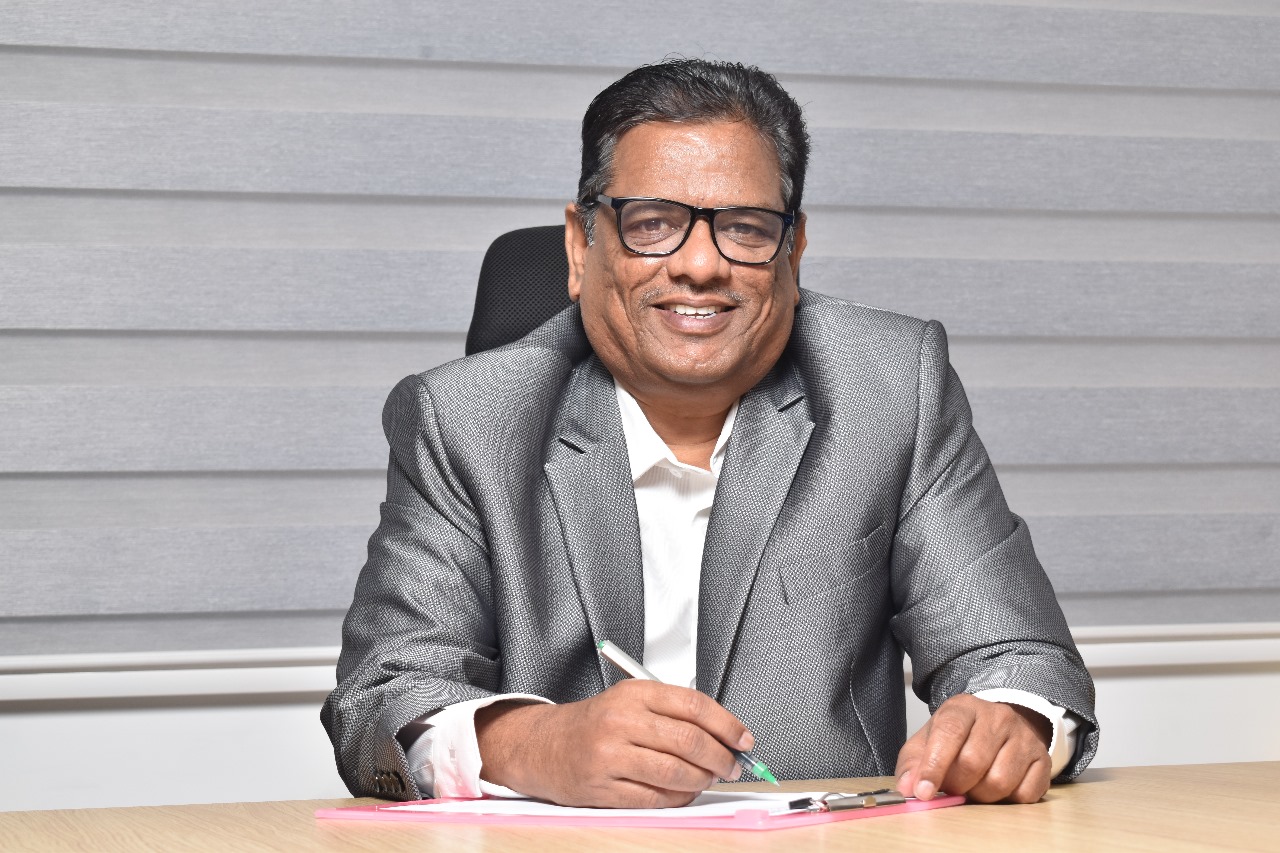
▴ Dr. Annamalai Pandian, Sr. Consultant – Family Medicine, Deepam Hospitals
Memory loss is often mistaken as a disease, especially when it affects elderly individuals. However, it’s essential to understand that this is not a disease in the traditional sense but a disorder of the brain, which is a result of gradual brain aging, lifestyle factors, and lack of mental stimulation.

Memory loss is often mistaken as a disease, especially when it affects elderly individuals. However, it’s essential to understand that this is not a disease in the traditional sense but a disorder of the brain, which is a result of gradual brain aging, lifestyle factors, and lack of mental stimulation. Rather than an illness to be cured, it's more like a natural wear-and-tear (degeneration) process of a brain that has been recording, observing, and analyzing the world since birth. How the Brain Actually Recalls Memory? Imagine your brain as a computer. Just like a computer’s hardware stores data deep within, your brain retains memories even if they seem forgotten. These memories are not completely lost but they’re just hidden, waiting to be recalled. Retrieving them can be likened to using a search engine like Google. Often, it takes time and multiple attempts to get the exact result. Similarly, your brain requires "search time" to bring those hidden memories back to the surface. Unlike external hardware in computers that can be upgraded, the brain’s “hardware” - its structural capacity cannot be expanded. However, just like a computer's desktop, your brain has a “desk” where recent actions and incidents are temporarily stored. With regular and simple training, you can keep this desk organized and improve short-term memory and recall. For instance, you may not remember someone’s name right away. But with focused attention and repeated recall attempts, the name often resurfaces after brushing the brain. This shows that the information is not gone, just temporarily misplaced. What is Alzheimer’s? It’s a progressive neurological (neurodegenerative) disorder and also the most common cause of dementia. This typically affects older adults, typically aged 65+ and the risk increases with age. In rare cases, Alzheimer’s can affect people aged below aged 60s (i.e., in their 40s or 50s). This is known as early-onset Alzheimer’s. Symptoms of Alzheimer’s: Memory disorders can manifest through a range of symptoms, such as: · Mood swings · Isolation or withdrawal from social interaction · Memory loss (short or long-term) · Confusion or lack of focus · Difficulty in communication These symptoms are not necessarily caused by age but rather by how the brain is aging. Brain aging is often accelerated by poor lifestyle choices, including lack of physical activity, inadequate sleep, poor diet, and mental inactivity. Is there a Treatment for Alzheimer’s? There is no specific medical cure for this type of memory disorder. But, there are treatments to manage its symptoms as well as improve the quality of life. This includes Medications that can temporarily slow down memory loss and cognitive decline Supportive care including therapies to help with daily activities, memory aids, and lifestyle changes like regular exercise and a healthy diet. Managing symptoms like mood swings, sleep problems with counselling or medications. Tips to Slow Down Memory Decline: To train your brain, Stimulate the brain through strategic thinking and problem-solving (like chess and carom board) Enhance physical health which supports brain function (walking, swimming) Maintain mental sharpness by learning new skills or practicing challenging mental tasks Play old Indian games that involve strategy and physical movement. This includes Thayam (ludo/dice game), Pallanguzhi (Mancala board game), and Aadu Puli Aattam (Goat-Tiger game). With consistent training and the right lifestyle, it's entirely possible to improve memory and retain cognitive function well into old age.

Tags : #

About the Author


Team Medicircle

Related Stories

Loading Please wait...

-Advertisements-


Trending Now

Modern Interventions in Maxillofacial Trauma: Soft Tissue Repair and Internal Fixation FrameworksAugust 20, 2026
Building Disaster Recovery Protocols for Hospital IT: Ensuring 99.9% Uptime During OutagesAugust 20, 2026
Importance of Nutrition: Why What You Eat Shapes Your Health, Energy, and FutureAugust 20, 2026
Stress Management: Causes, Symptoms, Signs and Effective Relief StrategiesAugust 20, 2026
Vulnerable families in Chennai receive free eye check-up in collaborative camp from SOS Children’s Villages India and Dr Agarwals Eye HospitalAugust 19, 2026
Kauvery Hospital Builds an Integrated Epilepsy-Care Network Across Its Chennai HospitalsAugust 19, 2026
NIIMS Observes World Breastfeeding Week 2026 with Community Outreach, Awareness Sessions and Practical Nutrition ActivitiesAugust 19, 2026
Apollo Hospitals launches ‘Always Open, Always Here’, a global first in healthcare from IndiaAugust 19, 2026
110 West Bengal MLAs Participated in ICAI Workshop on Strengthening Public Financial Management August 19, 2026
Man Matters Becomes the First Men’s Health Platform in India to Bring At-Home Blood Testing for Hair HealthAugust 19, 2026
Child Nutrition Guide for Indian Parents: Age-Wise Dietary Needs and Healthy Eating HabitsAugust 19, 2026
Medical Technology Explained: What It Is, How It Works, and Why It Matters for Indian HealthcareAugust 19, 2026
Even Hospital Secures NABH 6th Edition Accreditation Within First Year, Validating Its Outcome-Driven Care ModelAugust 18, 2026
OpenAI launches film featuring Tisca Chopra as it introduces ChatGPT for Teens with stronger safety protectionsAugust 18, 2026
PRHUB strengthens leadership to fuel transformation & next phase of growthAugust 18, 2026
MGM Healthcare Malar Removes Massive 890-Gram Brain Tumour, One of the Largest Ever ReportedAugust 18, 2026
Care Health Insurance Issues Public Health Advisory on Mosquito-Borne DiseasesAugust 18, 2026
Mental Health Awareness in India: Understanding the Signs, Bridging the Gap, and Finding HopeAugust 18, 2026
Stress Management in India: Understanding Causes, Symptoms, and Proven Techniques That WorkAugust 18, 2026
Traya Health's Social Experiment Opens Up the Evolutionary Science Behind Why People Reject Partners with Hair LossAugust 17, 2026




















