Tuesday, October 06, 2026
.png)
 In a remarkable surgical milestone, a 34-year-old man weighing 191 kg with a body mass index (BMI) of 80.1 kg/m² successfully underwent a robotic mini-gastric bypass at Yashoda Hospitals.




Hyderabad, 03rd March 2026: In a remarkable surgical milestone, a 34-year-old man weighing 191 kg with a body mass index (BMI) of 80.1 kg/m² successfully underwent a robotic mini-gastric bypass at Yashoda Hospitals. Classified as “super–super obese,” the patient faced significant perioperative risks due to severe respiratory compromise, including chronic obstructive pulmonary disease (COPD) requiring daily nebulisation and nocturnal BiPAP support, along with symptoms of obstructive sleep apnoea, joint pain, and reduced functional capacity. Despite multiple attempts at diet and exercise, his weight continued to rise, prompting evaluation for metabolic surgery.
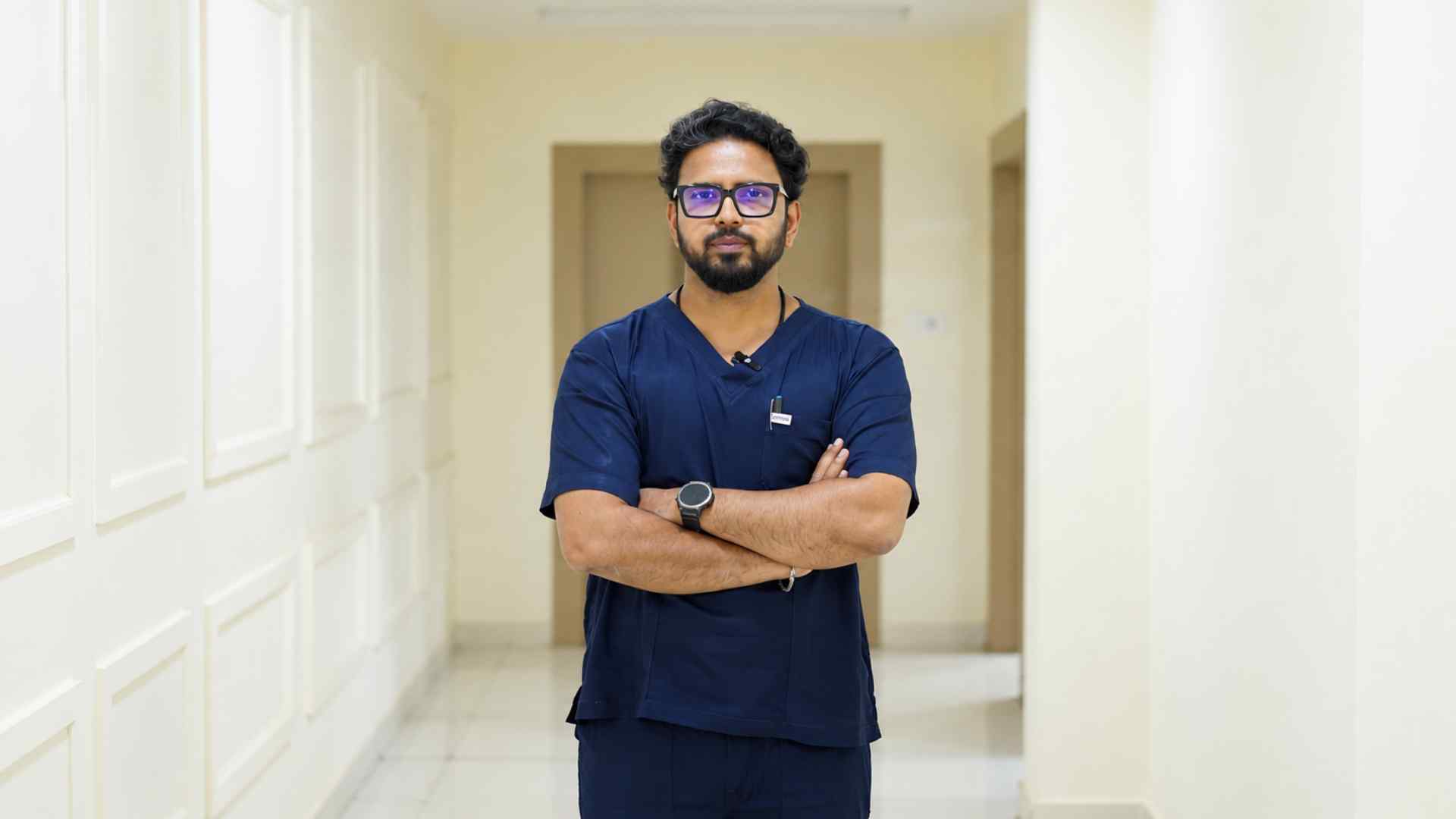
After comprehensive optimisation by cardiology and pulmonology teams, the patient underwent a robotic mini-gastric bypass performed by Dr. Kona S. Lakshmi Kumari, Consultant Surgical Gastroenterologist, Minimal Access & Robotic GI Surgeon, and Metabolic & Bariatric Surgeon. The procedure involved the creation of a precise 50–60 ml gastric pouch and a carefully measured gastrojejunostomy 180 cm distal to the duodenojejunal flexure. The surgery was completed uneventfully, with intraoperative leak testing confirming a secure anastomosis.
The patient’s recovery was notably smooth. He was started on oral liquids on the first postoperative day, progressed steadily, and was discharged in stable condition. With multidisciplinary follow-up, including dietary guidance, anticoagulation management, dermatology care, and respiratory monitoring, he demonstrated significant improvement. At two weeks, he was able to maintain it without nocturnal BiPAP support. At six months, his weight reduced from 191 kg to 140.4 kg, marking a substantial and life-changing transformation.
Speaking about the case, Dr. Kona S. Lakshmi Kumari said, “Patients with a BMI as high as 80 kg/m² are among the most challenging candidates for surgery due to limited cardiopulmonary reserve. However, with meticulous pre-operative optimisation and the precision offered by robotic technology, we can safely push the boundaries in selected high-risk patients. This case reinforces that advanced metabolic surgery, when performed in a multidisciplinary setting, can deliver safe outcomes and dramatically improve quality of life.”
This case underscores how advanced robotic metabolic surgery, combined with careful preoperative planning, can offer renewed hope to patients once considered extremely high risk. The successful outcome highlights the growing role of precision robotics in bariatric care and reaffirms Yashoda Hospitals’ commitment to delivering cutting-edge, patient-centred surgical excellence.






.jpeg)
.jpg)
.jpg)
.jpg)
.jpg)
.jpg)
.jpg)


.jpg)
.jpg)
.jpg)
.jpg)
.jpg)
.jpg)