 Thursday, November 19, 2026
 Yashoda Hospitals, Hitec City, has successfully performed a complex transcatheter double valve replacement (TAVR + TMVR) on Mr. Shakil Ahmed (74 years), a high-risk cardiac patient with a long-standing history of rheumatic valvular heart disease and multiple prior heart valve surgeries.





Hyderabad, 23rd February 2026: Yashoda Hospitals, Hitec City, has successfully performed a complex transcatheter double valve replacement (TAVR + TMVR) on Mr. Shakil Ahmed (74 years), a high-risk cardiac patient with a long-standing history of rheumatic valvular heart disease and multiple prior heart valve surgeries.
Mr. Ahmed had previously undergone mitral valve replacement in 2004, followed by a redo double valve replacement (aortic and mitral) in 2007 due to infective endocarditis. Over time, both bioprosthetic valves developed severe degeneration, leading to severe aortic and mitral prosthetic valve stenosis, breathlessness, pulmonary hypertension, and heart failure symptoms. Given his age, comorbidities such as diabetes and hypertension, and prior surgeries, he was considered extremely high risk for open-heart redo surgery.
After comprehensive evaluation by a multidisciplinary heart team, the patient was planned for a minimally invasive transcatheter approach. On December 10, 2025, the cardiology team successfully performed a Transcatheter Aortic Valve Replacement (23 mm) and Transcatheter Mitral Valve Replacement (29 mm) using Myval, without any procedural complications. The patient remained hemodynamically stable, recovered well in the Intensive Cardiac Care Unit, and was discharged in stable condition.
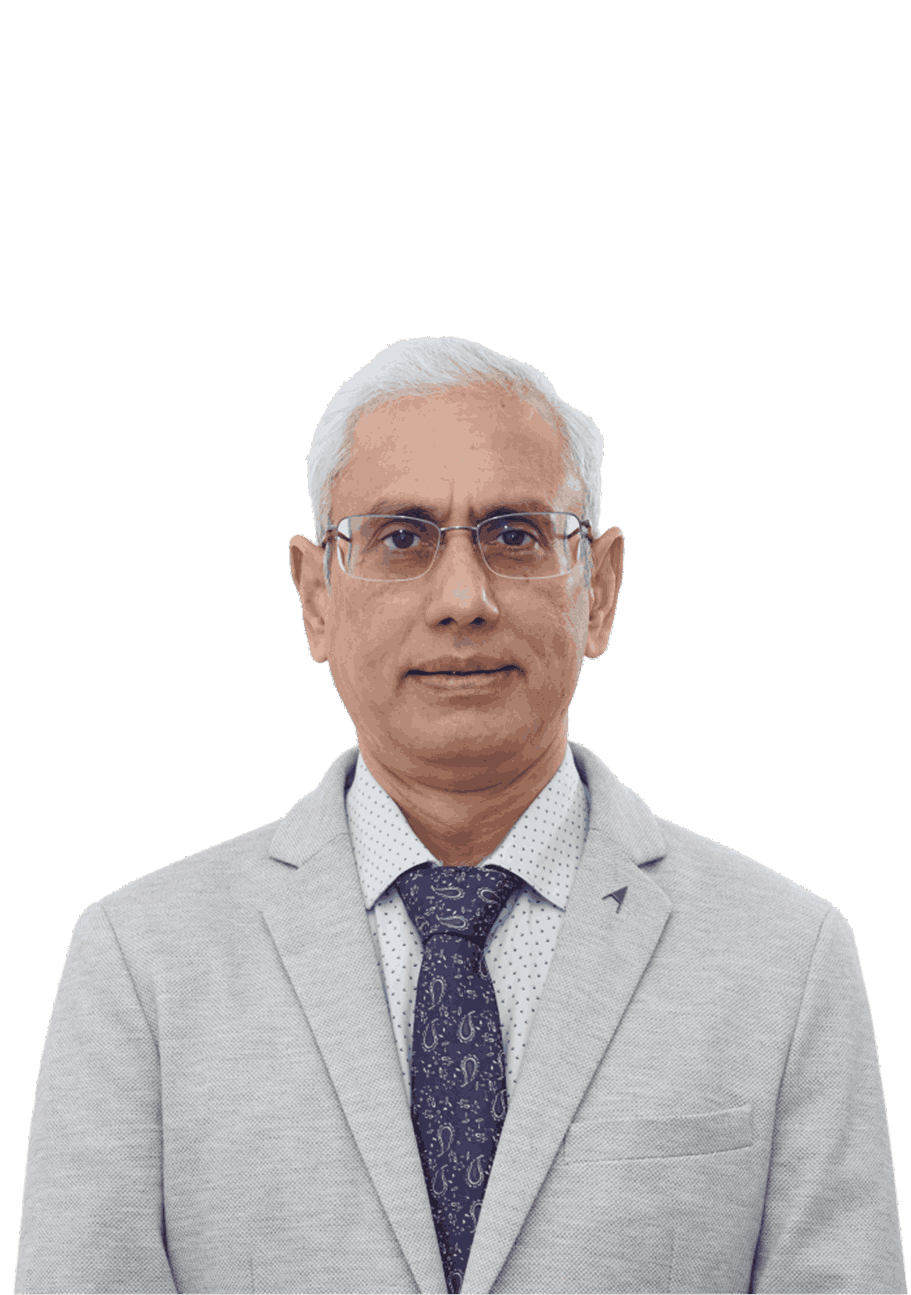
Dr. Rajasekhar V., Senior Consultant Interventional Cardiology & Electrophysiology and Clinical Director, said, “This was a highly complex case involving degeneration of both aortic and mitral bioprosthetic valves in a patient who had already undergone multiple heart surgeries. Performing a transcatheter double valve replacement allowed us to avoid the risks of open-heart surgery while delivering excellent clinical outcomes. Advanced imaging, careful planning, and a skilled heart team were key to the success of this procedure.”
The procedure was supported by a dedicated team of interventional cardiologists, critical care specialists, and pulmonologists, highlighting Yashoda Hospitals’ expertise in managing advanced structural heart diseases using cutting-edge, minimally invasive technologies.
Yashoda Hospitals continues to be at the forefront of complex cardiac interventions, offering hope to patients who are otherwise deemed inoperable or high risk for conventional surgery.
Yashoda Group of Hospitals has been providing quality healthcare for 3 decades for people with diverse medical needs. Under astute leadership and strong management, Yashoda Group of Hospitals has evolved as a centre of excellence in medicine providing the highest quality standards of medical treatment. Guided by the needs of patients and delivered by perfectly combined revolutionary technology even for rare and complex procedures, the Yashoda Group hosts medical expertise and advanced procedures by offering sophisticated diagnostic and therapeutic care in virtually every specialty and subspecialty of medicine and surgery. Yashoda Hospital, Hyderabad has 4 independent hospitals in Somajiguda, Secunderabad, Malakpet and Hitech city with 4000 beds. With a constant and relentless emphasis on quality, excellence in service, empathy, Yashoda Group provides world-class healthcare services at affordable costs.
For media inquiries or further information, please contact: Media Relations Team, Yashoda Hospitals





-23-300x250.png)





















