 Sunday, October 11, 2026
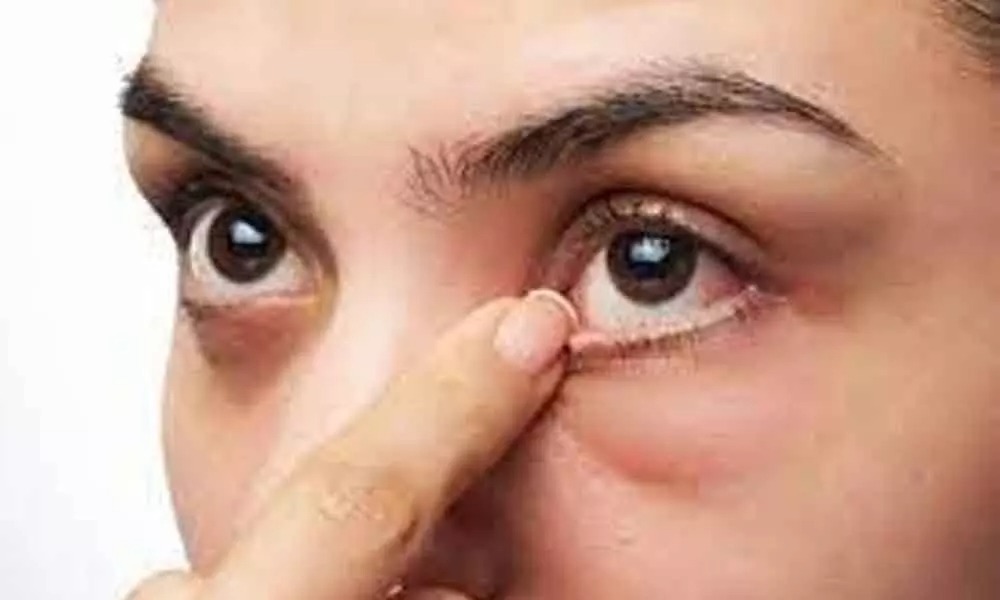
 India is witnessing alarming rise in vision loss due to diabetic retinopathy. Awareness and early diagnosis is the key to prevent vision loss.




MUMBAI, September 26, 2025: Ophthalmologists are raising concern over the increasing incidence of diabetic retinopathy among young adults, with cases now being detected within just three to five years of a diabetes diagnosis. Once considered a condition affecting older patients, it is increasingly reported in individuals under 40, driven by poor lifestyle habits, uncontrolled blood sugar, and co-existing conditions such as hypertension, obesity, and kidney disease. Doctors emphasised that early detection through regular eye screenings is critical to prevent irreversible vision loss.
Ahead of World Retina Day, eye specialists at Dr Agarwals Eye Hospital warned that retinal diseases are rising rapidly, driven by diabetes, unhealthy lifestyles, and other chronic conditions. Around 12–15 percent of diabetics develop retinopathy, with 4–5 percent reaching vision-threatening stages, yet many seek help only after significant damage is already set in. The risk is higher in younger patients and those with hypertension, obesity, or kidney disease, particularly when combined with sedentary habits, poor diet, stress, or smoking.
Diabetic retinopathy occurs when high blood sugar levels damage the blood vessels in the retina. Early warning signs include floaters, blurred vision, dark or blank spots, poor night vision, and difficulty distinguishing colors. While mild cases can be managed with proper diabetes control, advanced cases may require laser treatment or surgery.
Dr. Hitendra Mehta, Head – Clinical Services, Tardeo, said, “While our hospitals are well-equipped to treat diabetic retinopathy, the lack of awareness often brings patients at advanced stages when vision loss is harder to prevent. Do not wait for the disease to advance, seek early medical help, especially if you are diabetic or living with hypertension. Regular eye check-ups can make all the difference in protecting your sight.”
One of the greatest challenges remains late detection. Retinal diseases often progress silently, and studies suggest that more than half of patients are unaware of the condition until vision loss becomes noticeable. Dr. Mahesh Shiv Sharan Singh, Consultant Ophthalmologist, Chembur, said, “The danger with most retinal diseases, including diabetic retinopathy, is their silent progression. Patients may not notice any changes until vision loss sets in. Early warning signs such as blurred vision, floaters, flashes of light, or dark patches should never be ignored. Immediate consultation with a retina specialist is critical, as delays can mean the difference between saving and losing sight.”
In many urban areas, better access to retina specialists and higher awareness have enabled earlier diagnosis. However, in rural or underserved regions, limited awareness and restricted access to advanced care often mean patients seek help only after vision has deteriorated. Encouragingly, technology is beginning to change the landscape. AI-assisted diagnostic tools and community screening camps are making early detection more accessible, reaching patients in areas with limited healthcare resources.
Early and regular eye screenings are critical to detect retinal problems before they progress and cause irreversible damage. Dr. Pritam K Mohite, Head – Clinical Services, Virar, explained, “The worrying fact is that younger and younger people are now experiencing vision deterioration, as diabetic retinopathy sometimes presents no apparent symptoms until it has advanced. With modern medical advancements, early intervention can help save your eyes and protect your vision for the future.”
“India being the diabetic capital of the world, it goes without saying that we are collectively responsible to create awareness and prevent vision loss. Most vision-threatening retinal conditions can be prevented or effectively managed if detected early, with studies suggesting this could be between 60 and 80 percent of cases. Maintaining good blood sugar and blood pressure control, following a healthy diet and exercise routine, and quitting smoking are essential to protect eye health,” added Dr. Hitendra Mehta.
With retinal diseases rising across the country, specialists emphasize the importance of regular eye examinations and maintaining a healthy lifestyle to protect vision. The growing availability of advanced diagnostic technology and modern treatment options is helping patients manage retinal conditions more effectively and preserve long-term eye health.






.jpeg)










.jpg)
.jpg)
.jpg)
.jpg)
.jpg)
.jpg)


.jpg)