 Thursday, October 08, 2026
 Telemedicine is all set to be a game-changer in present and future healthcare management




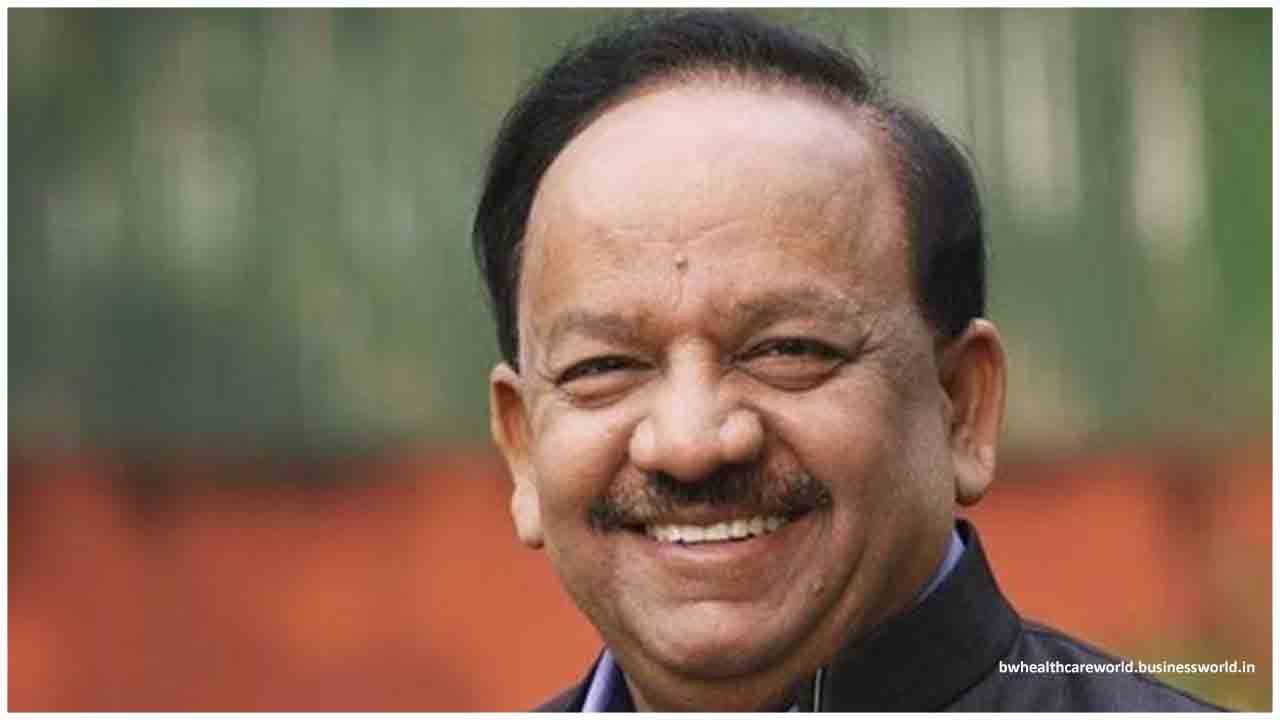
Dr. Harsh Vardhan, Union Minister for Health and Family Welfare, today presided over a review meeting with States/UTs on the “eSanjeevani” and “eSanjeevaniOPD” platforms as1.5 lakh tele-consultations were completed on the tele-medicine service platforms of the Health Ministry. In a short span of time since November 2019, tele-consultation by eSanjeevani and eSanjeevani OPD has been implemented by 23 States (which covers 75% of the population) and other States are in the process of rolling it out.
This eSanjeevani platform has enabled two types of telemedicine services - Doctor-to-Doctor (eSanjeevani) and Patient-to-Doctor (eSanjeevani OPD) Tele-consultations.
Addressing a review meeting with states and Union Territories, Dr. Harsh Vardhan said, the national telemedicine service has completed more than one lakh 50 thousand tele-consultations enabling the patient to doctor consultations from the confines of their home.
He said, the government has started implementing the vision of Digital India through broadband and mobile phones at the Ayushman Bharat - Health and Wellness Centres. He said, with the cooperation of States and UTs, and a pool of selfless and medical practitioners and specialists, they have been able to provide healthcare services through telemedicine platforms such as eSanjeevani. The Minister said, this has substantially augmented the health infrastructure during the COVID pandemic.
Echoing similar sentiments, Sh. Ashwini K. Choubey remarked that it would be a “gamechanger for people in the rural areas who do not have easy access to medical specialists located in cities”.
This eSanjeevani platform has enabled two types of telemedicine services viz. Doctor-to-Doctor (eSanjeevani) and Patient-to-Doctor (eSanjeevani OPD) Tele-consultations. The former is being implemented under the Ayushman Bharat Health and Wellness Centre (AB-HWCs) program. It is planned to implement tele-consultation in all the 1.5 lakh Health and Wellness Centres (as spokes) in a ‘Hub and Spoke’ model, by December 2022. States have identified and set up dedicated ‘Hubs’ in Medical Colleges and District hospitals to provide tele-consultation services to ‘Spokes’, i.e SHCs and PHCs. As on date, 12,000 users comprising Community Health Officers and Doctors have been trained to make use of this national e-platform. Presently, telemedicine is being provided through more than 3,000 HWCs in 10 States.
Owing to the ongoing COVID-19 pandemic, the Health Ministry launched the second teleconsultation service enabling patient-to-doctor telemedicine through ‘eSanjeevaniOPD’. Offered at no cost, this e-health service is rapidly gaining popularity as citizens in around 20 States are now consulting doctors without having to go to the hospital physically.
Around 2800 doctors have been trained and onboarded at eSanjeevaniOPD and every day around 250 doctors and specialists across the country provide eHealth services despite the lockdown has been relaxed in phases. This service is available as an Android mobile application as well. This has made it convenient for the people to avail of the health services without having to travel. It also ensures that the patient gets to see the doctor in around five minutes after logging in.
As of now, out of a total of 1,58,000 teleconsultations were offered across the country – out of which, 67,000 consultations were provided through eSanjeevani at Ayushman Bharat HWCs and 91,000 patient to doctor consultations through eSanjeevaniOPD mode. Presently, on an average, around 5,000 consultations per day are provided through both the modes (eSanjeevani and eSanjeevaniOPD).
The telemedicine platform is hosting over 40 online OPDs, more than half of these are specialty OPDs which include Gynaecology, Psychiatry, Dermatology, ENT, Ophthalmology, antiretroviral therapy (ART) for the AIDS/HIV patients, Non-Communicable Disease (NCD) etc.
The top ten States which have registered highest consultations through eSanjeevani and eSanjeevaniOPD platforms are Tamil Nadu (32,035 consultations), Andhra Pradesh (28,960), Himachal Pradesh (24,527), Uttar Pradesh (20,030), Kerala (15,988), followed by Gujarat (7127), Punjab (4450), Rajasthan (3548), Maharashtra (3284) and Uttarakhand (2596).
The majority share in the doctor-to-doctor eSanjeevani consultations at AB-HWCs has been of Andhra Pradesh (25,478) and Himachal Pradesh (23,857) while Tamil Nadu leads in the patient-to-doctor eSanjeevaniOPD services with 32,035 consultations.
In the discussion with the States, the contribution of all the States utilizing this e-health services (eSanjeevani and eSanjeevani OPD platform) was lauded. The Health Minister of Tamil Nadu thanked for the support of Health Ministry and C-DAC in the roll-out of the telemedicine platform and highlighted the achievement of the state as registering the highest consultations (32,035) through its online OPD services. Some best practices followed by States were shared during the discussion viz. Andhra Pradesh has started implementing eSanjeevani in all Panchayats / PHCs; Himachal Pradesh already has provided many specialty services through e-OPDs; Uttar Pradesh has registered 20,030 consultations in a short time period of one month after rollout; Kerala successfully implemented telemedicine services in a Jail in Palakkad District.






.jpeg)










.jpg)
.jpg)
.jpg)
.jpg)
.jpg)
.jpg)


.jpg)