 Saturday, November 21, 2026
 Rare Pregnancy Tumors are reported in 2 out of every 1000 Pregnancies.





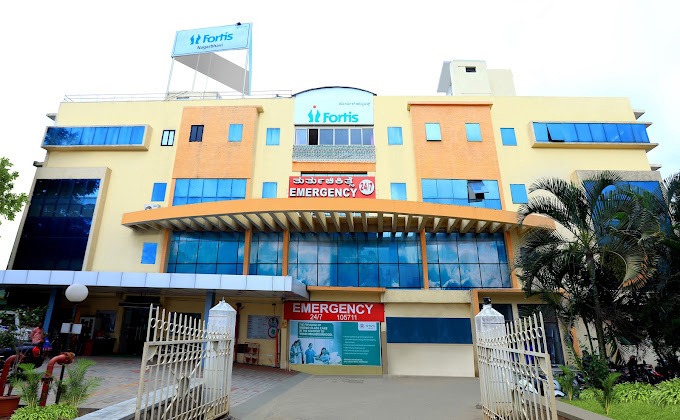
Bengaluru, 15 January 2026: Doctors at Fortis Hospital, Nagarbhavi successfully treated a Life-threatening pregnancy-related tumour in a 26-year-old woman, while preserving her uterus and fertility. The patient was diagnosed with Gestational Trophoblastic Neoplasia - a rare pregnancy-related tumour characterized by abnormal tissue growth inside the uterus. The tumor posed a high risk of sudden, severe internal bleeding if not handled with extreme caution. The rare case was managed through a multi-disciplinary approach led by Dr. Nirmala Chandrashekar, Consultant – Obstetrics & Gynaecology, Fortis Hospital, Nagarbhavi.
When admitted at Fortis Nagarbhavi, the patient was presented with complaints of missed abortion (a type of miscarriage where the pregnancy has stopped developing) and continuous vaginal spotting. Her ultrasound scans showed abnormal intrauterine mass with significantly increased blood flow. In such cases, emergency removal of the uterus becomes necessary to save the patient’s life. Given the gravity of the situation, the patient’s family initially requested hysterectomy. However, after thorough evaluation, the Fortis Nagarbhavi medical team opted for a carefully planned, step-by-step conservative approach aimed at preserving the patient’s fertility.
The team of doctors, first performed a procedure to temporarily block blood supply to the uterus, significantly reducing the risk of massive bleeding. This was followed by a meticulously monitored removal of the abnormal tissue under ultrasound guidance. The patient responded well to the treatment, experienced no major complications, and recovered smoothly. Subsequent tests confirmed a partial molar pregnancy, a rare but treatable condition. After treatment, the patient’s pregnancy hormone levels returned to normal, confirming complete recovery without the need for uterus removal.
Giving details of the case, Dr Nirmala Chandrashekar, Consultant – Obstetrics & Gynaecology, Fortis Hospital, Nagarbhavi said, “This was an extremely challenging case due to the high risk of sudden and severe bleeding. Our foremost priority was to save the patient’s life while making every possible effort to preserve her uterus. By carefully reducing uterine blood flow first and then removing the abnormal tissue under ultrasound guidance, we were able to achieve a safe and fertility-preserving outcome.”
Expressing her gratitude, the patient said, “I feared the worst, but I never imagined it could be so serious. The doctors at Fortis Nagarbhavi explained everything patiently and treated me with great care. I am deeply grateful that my life was saved and that my ability to have children in the future has been conserved.”
Mr Ratheef Naik, Facility Director, Fortis Hospital, Nagarbhavi, added, “Gestational trophoblastic tumours demand early diagnosis and coordinated multidisciplinary expertise. At Fortis Nagarbhavi, we are equipped to deliver advanced, conservative and fertility-preserving care when patients seek timely treatment. This successful intervention once again reinforces our position as a leading tertiary care centre for managing high-risk and complex obstetric conditions, combining clinical excellence with compassionate, patient-centric care.”





-23-300x250.png)




















