Friday, October 23, 2026
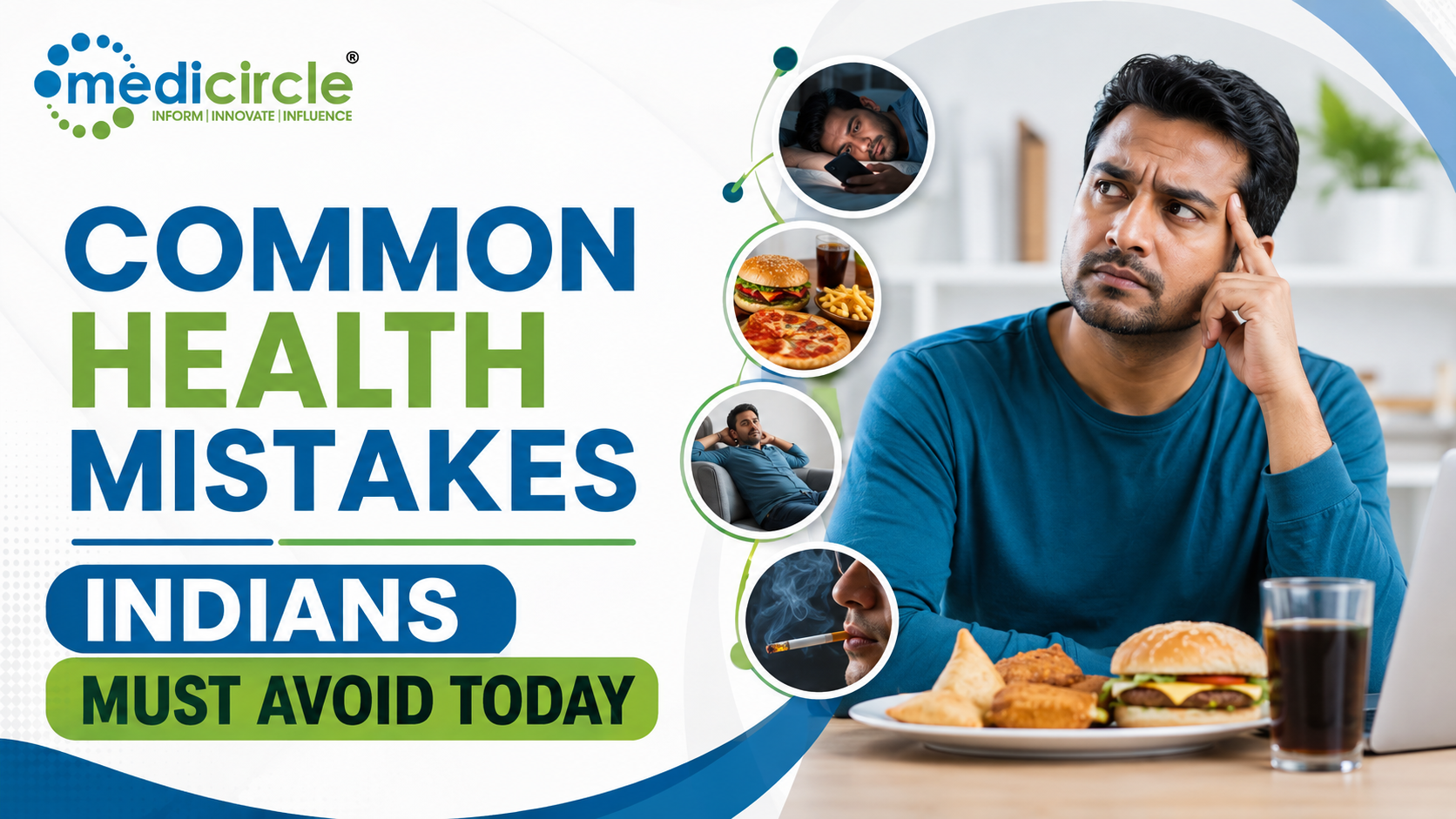
 Everyday habits around check-ups, medication, sleep, food safety, diet, and mental health quietly shape long term wellbeing. Awareness and small, consistent changes help Indians reduce chronic disease risk effectively.





Introduction
India is witnessing a steady rise in lifestyle-related health conditions, and much of this trend can be traced back to small, repeated everyday choices rather than any single dramatic event. According to the ICMR-INDIAB study, an estimated 101 million Indians are living with diabetes and another 136 million with prediabetes, while nearly 315 million Indians have hypertension and a very large share of adults carry some form of abnormal cholesterol. These numbers are not just statistics. They reflect the cumulative effect of daily habits that often go unnoticed until a health check reveals a problem.
Many of the mistakes people make around food, sleep, hygiene, exercise, and medical care feel harmless in isolation. A late dinner here, a skipped check-up there, or a habit of self-medicating for a headache does not seem alarming on its own. Over months and years, however, these patterns quietly increase the risk of chronic disease, infections, and preventable complications. Understanding these common mistakes, and more importantly, learning how to correct them, can make a meaningful difference to long-term health outcomes.
This article looks closely at the health mistakes that are widespread across Indian households, from Tier 1 metros to Tier 2 towns, and offers a clear, medically grounded way to think about correcting them. The goal is not to alarm readers but to build genuine awareness, because informed individuals are far better equipped to protect their own health and that of their families.
Understanding Why These Mistakes Are So Common in India
Several factors make certain health mistakes particularly widespread in the Indian context. Joint family structures, inherited food habits, packed work schedules, and a cultural tendency to consult a doctor only when symptoms become severe all play a role. Add to this the pressure of long commutes in cities like Mumbai, Bengaluru, and Delhi NCR, along with the affordability and accessibility gaps that still exist in parts of Tier 2 and Tier 3 India, and it becomes easier to understand why preventive health often takes a back seat.
There is also a knowledge gap. Many people are simply unaware that habits considered "normal" within their households, such as reusing cooking oil multiple times or skipping annual health screenings, actually carry measurable health risks. Public health awareness campaigns under the National Health Policy and platforms like the Ayushman Bharat Digital Mission are working to close this gap, but individual awareness remains the first and most powerful line of defence.
Common Health Mistakes Indians Make in Daily Life
Ignoring Preventive Health Check-upsA large number of Indians visit a doctor only after symptoms appear, rather than undergoing routine screening. This is especially concerning for conditions like hypertension and diabetes, which often progress silently for years. Data from the ICMR-INDIAB study shows a significant proportion of affected individuals remain undiagnosed simply because they never got tested. Annual blood pressure checks, blood sugar tests, and basic lipid profiles are inexpensive compared to the cost of managing an advanced chronic condition, yet they are frequently postponed or skipped altogether.
Self-medicating and Overusing AntibioticsWalking into a local pharmacy and buying medicines without a prescription is still common practice in many parts of the country. This includes antibiotics, painkillers, and even prescription grade medication for chronic conditions. Self-medication can mask underlying problems, delay proper diagnosis, and in the case of antibiotics, contribute directly to antimicrobial resistance, a growing concern that Indian hospitals and health experts are actively working to address through structured stewardship programmes.
Poor Sleep Habits and Chronic Sleep DeprivationLate nights fuelled by work deadlines, social media, or family responsibilities have made adequate sleep a rarity for many urban Indians. Consistently sleeping fewer than six to seven hours a night affects blood sugar regulation, appetite hormones, immune function, and mental health. Over time, poor sleep patterns are linked to a higher risk of obesity, hypertension, and reduced concentration, all of which affect quality of life and productivity.
Unsafe Food Handling and Kitchen Hygiene LapsesIndian kitchens are known for their variety and flavour, but certain everyday practices can quietly compromise food safety. Leaving cooked rice or dal out at room temperature for hours, reusing frying oil repeatedly, or not reheating leftovers to a safe temperature can allow bacteria to multiply. In India's warm and humid climate, these lapses carry a higher risk of foodborne illness than many people realise. Simple corrections, such as refrigerating leftovers within an hour and avoiding repeated reuse of oil, can meaningfully reduce this risk.
Excessive Consumption of Refined Carbohydrates and SugarTraditional Indian diets often centre heavily around rice, roti, and other refined carbohydrates, sometimes at the cost of adequate protein and fibre. Combined with a growing appetite for packaged snacks, sweetened beverages, and processed foods, this pattern contributes to the country's rising burden of obesity and diabetes. A more balanced plate, with adequate vegetables, protein sources like dal, paneer, eggs, or fish, and controlled portions of grains, supports better long term metabolic health.
Sedentary Lifestyle and Inadequate Physical ActivityDesk bound jobs, long commutes, and increasing screen time have reduced daily physical activity for a large section of India's working population. Even in households where diet is reasonably balanced, a lack of regular movement contributes to weight gain, poor cardiovascular fitness, and increased risk of lifestyle diseases. The World Health Organization recommends at least 150 minutes of moderate intensity physical activity per week, a target that remains out of reach for many Indians due to time pressure and lack of accessible spaces for exercise, particularly in dense urban neighbourhoods.
Neglecting Mental HealthMental health continues to carry stigma in many Indian communities, which often leads people to ignore early signs of stress, anxiety, or burnout rather than seeking help. Long working hours, academic pressure, and family expectations add to this burden. Left unaddressed, chronic stress affects sleep, immunity, digestion, and cardiovascular health, making mental wellbeing an inseparable part of overall physical health rather than a separate concern.
Skipping or Delaying VaccinationsWhile childhood immunisation coverage has improved significantly under India's Universal Immunisation Programme, adult vaccination remains widely overlooked. Vaccines for influenza, pneumonia, and other preventable illnesses are often not prioritised by adults, even those with existing health conditions that increase their risk. Awareness about adult vaccination schedules is an area where continued public health communication can make a real difference.
The Role of Awareness and Reliable Information
One of the biggest challenges in correcting these health mistakes is not a lack of willingness but a lack of accessible, trustworthy information. Health-related misinformation spreads quickly on social media and messaging platforms, often presented with confidence but without medical backing. This is precisely where credible healthcare communication becomes essential. Platforms like Medicircle work to bridge this gap by bringing expert medical voices, verified health information, and hospital and healthcare industry insights to a wider audience, helping patients make informed decisions rather than relying on guesswork or hearsay.
Doctors and healthcare institutions also play a central role here. When medical professionals share clear, jargon-free explanations through credible media channels, it becomes easier for the general public to understand why certain habits matter and how small changes can meaningfully reduce health risks over time.
Practical Steps to Correct These Habits
Building healthier habits does not require a complete lifestyle overhaul overnight. Small, consistent changes tend to be far more sustainable than drastic ones. A few practical starting points include scheduling an annual health check-up even when feeling well, consulting a doctor before taking any medication rather than self-prescribing, and aiming for seven to eight hours of sleep on most nights.
On the food front, refrigerating leftovers promptly, avoiding repeated reuse of cooking oil, and gradually increasing protein and vegetable intake while moderating refined carbohydrates can support better metabolic health. Building movement into the day, even through short walks or stair climbing, helps counter the effects of sedentary work. Equally important is treating mental health with the same seriousness as physical health, and reaching out to a professional when stress or anxiety begins to affect daily functioning.
Finally, staying updated on recommended vaccinations, especially for adults with chronic conditions or those above 60 years of age, adds another layer of protection against preventable illness.
Conclusion
Most health mistakes discussed here are not the result of carelessness but of habits shaped by convenience, culture, and limited awareness. The encouraging part is that each of these mistakes is correctable, and the corrections do not demand extreme measures. Consistent, informed choices around preventive care, nutrition, sleep, hygiene, physical activity, and mental wellbeing can meaningfully lower the risk of chronic disease over time. Building this awareness, one habit at a time, is one of the most effective ways for individuals and families across India to protect their long term health.
Frequently Asked Questions
Q1: What is the most common health mistake Indians make?
Delaying preventive health check-ups is among the most common mistakes, since conditions like hypertension and diabetes often progress silently before symptoms appear.
Q2: Is self-medication really harmful if the illness feels minor?
Yes. Self-medication can mask underlying conditions, delay correct diagnosis, and in the case of antibiotics, contribute to antimicrobial resistance, making future infections harder to treat.
Q3: How much sleep do Indian adults actually need?
Most adults need seven to eight hours of sleep per night. Consistently sleeping less affects blood sugar control, immunity, and mental health over time.
Q4: Can reusing cooking oil multiple times really affect health?
Yes. Repeated heating of oil produces harmful compounds that may increase long term health risks, so it is advisable to limit oil reuse to one or two times at most.
Q5: Why is mental health often overlooked as part of overall health in India?
Cultural stigma and busy lifestyles often lead people to dismiss early signs of stress or anxiety, even though chronic stress directly affects physical health, including sleep, digestion, and heart health.
Resources
- Indian Council of Medical Research (ICMR): ICMR-INDIAB Study and national health data on diabetes, hypertension, and dyslipidemia
- World Health Organization (WHO) India Country Office: Guidelines on physical activity and preventive health
- Ministry of Health and Family Welfare (MoHFW): National Health Policy and public health programme information
- Ayushman Bharat Digital Mission (ABDM): Digital health record and preventive care initiatives
- National Health Portal (NHP) India: Consumer health education resources
Interlinking Keywords
preventive health check-ups, self-medication risks, sleep and health, food safety in Indian kitchens, balanced Indian diet, sedentary lifestyle, mental health awareness India, adult vaccination
Last medically reviewed by:
Medicircle Editorial and Medical Advisory Team on August 10, 2026
Medical Disclaimer:
This article is intended for general awareness and educational purposes only. It is not a substitute for professional medical advice, diagnosis, or treatment. Always consult a qualified healthcare provider regarding any health concerns or before making changes to diet, medication, or lifestyle.





-23-300x250.png)

.jpeg)


.jpg)
.jpg)
.jpg)
.jpg)
.jpg)
.jpg)
.jpg)
.jpg)
.jpg)