58-year-old patient successfully undergoes the high-risk surgery at KIMS Hospitals, Thane

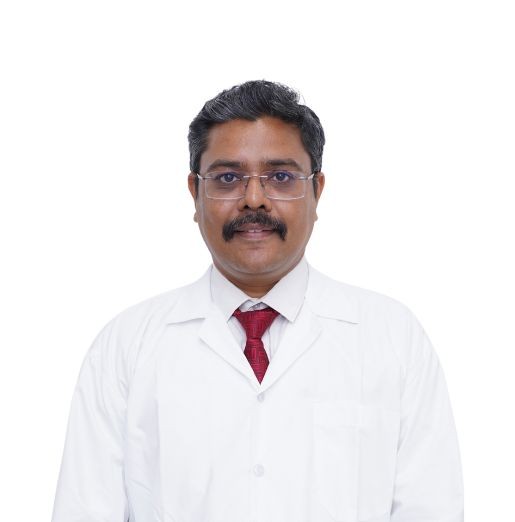
▴ Dr. Kapil Khandelwal, Consultant Spine Surgeon and the hospital’s neurosurgical team
Keyhole surgery helps man survive brain aneurysm.

Thane, June 2025: In a critical turnaround, a 58-year-old man with life-threatening brain hemorrhage was saved through a minimally invasive ‘keyhole’ surgery at KIMS Hospitals, Thane. The procedure was performed by Dr. Kapil Khandelwal, Consultant Spine Surgeon and the hospital’s neurosurgical team.

The patient who had uncontrolled blood pressure, suddenly developed weakness on one side of his body and became drowsy. A brain scan showed a large blood clot deep inside his brain that was putting pressure on vital areas and pushing the brain off-center, a situation that could have been fatal.

The medical team acted swiftly and performed a keyhole surgery using advanced technology. Through a small opening in the skull, they carefully removed the clot without damaging the healthy brain tissue. “With this minimally invasive approach, we were able to remove the blood clot and relieve the pressure without the risks of a big surgery,” said Dr. Khandelwal.

The patient started showing improvement soon after the procedure. Follow-up scans confirmed that the blood was cleared and the brain had shifted back to its normal position. He began physiotherapy early to regain strength and alertness.

What made this surgery special is that it avoided a large cut or removal of part of the skull which meant no second surgery would be needed later to replace any bone. This reduced his recovery time, risk of complications and cost of care.

It also highlights how modern, less invasive brain surgeries can save lives and help patients recover faster even in the most serious emergencies.


 

Tags : #

About the Author


Team Medicircle

Related Stories

Loading Please wait...

-Advertisements-


Trending Now

The Value of Risk Communication in Public HealthOctober 08, 2026
What Makes a Reliable Health Screening Programme?October 08, 2026
How Language Access Can Improve Patient Communication in Indian HealthcareOctober 07, 2026
Why Health Literacy Matters in Preventive HealthcareOctober 07, 2026
Improving Follow-Up After Diagnostic Testing: Where Systems Commonly Break DownOctober 07, 2026
How Community Health Workers Support Preventive Care DeliveryOctober 07, 2026
AI in India's Emergency Departments: Reducing Diagnostic DelaysOctober 06, 2026
AI and Patient Consent in India: Who Is Responsible?October 06, 2026
Wearable Technology in Pregnancy: Benefits and LimitsOctober 06, 2026
Remote Monitoring for High-Risk Pregnancies in IndiaOctober 06, 2026
Fortis Escorts Faridabad Launches ‘Sehat Express’ Mobile Bus for Accessible Doorstep Cancer Screening in association with Faridabad Industries Association Charitable Society and Rotary Club FaridabadOctober 05, 2026
Advanced Thrombectomy Saves 60-Year-Old Woman After Severe Heart Attack at KIMS SaveeraOctober 05, 2026
Constipation, Bloating and Long Sitting Hours: Doctors at RG Hospitals Delhi Warn Urban Professionals Not to Ignore Gut ProblemsOctober 05, 2026
Fermenta – Centre of Excellence for Food Fortification Inaugurated at NIFTEM-T, ThanjavurOctober 05, 2026
Alzheimer’s Dementia: Recognising the Signs, Diagnosing Earlier and Changing the Future of Brain HealthOctober 05, 2026
Man Matters Hairfall Case Study 2026: 7 Lakh+ Consultations Reveal How Hair Loss Changes With AgeOctober 05, 2026
Medication Reconciliation: A System-Level Step for Safer Transitions of CareOctober 05, 2026
The Role of Clinical Pharmacists in Safer Medication UseOctober 05, 2026
Nanavati Max Hospital Hosts Max Cancer Congress 2026, Bringing Together Oncology Experts to Explore the Future of Cancer Care October 01, 2026