 Sunday, October 11, 2026
 A once-independent elderly patient recovers after advanced valve treatment without open-heart surgery.




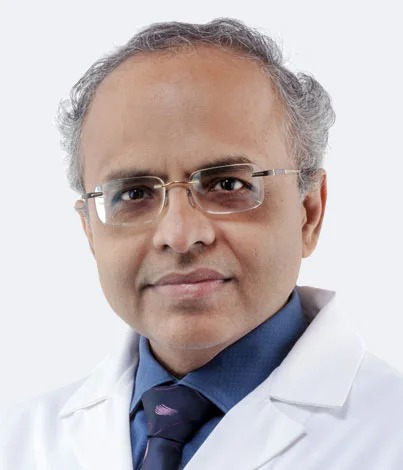
Thane, February 2026: In a heartening medical success, a 94-year-old patient suffering from repeated heart failure was successfully treated with a Transcatheter Aortic Valve Implantation (TAVI) at Jupiter Hospital. The patient was admitted under Dr Nitin Burkule, Consultant – Interventional Cardiologist, Jupiter Hospital, Thane. Due to severe narrowing of the heart valve, the patient had been hospitalised twice in one month, struggling with breathlessness, weakness, and extreme fatigue.
Just a month earlier, the patient was completely independent, walking on his own, managing daily activities, and living without major health complaints. However, repeated heart failure episodes quickly made him weak and frail, limiting movement and affecting daily life.
Understanding the Risk Beyond Age
Explaining what made the case difficult, Dr Nitin Burkule said, “Age was not the biggest challenge here. The real concern was the patient’s frailty. Until recently, he was fully independent, but repeated heart failure episodes caused sudden weakness and loss of mobility.”
Doctors carefully assessed whether the patient was strong enough, both physically and mentally, to undergo treatment. Despite physical weakness, the patient was mentally alert and eager to recover, which supported the decision to proceed.
Helping the Family Choose the Right Path
The family was guided through both options, continuing with medicines alone or undergoing TAVI. Doctors explained that patients with severe aortic valve narrowing and heart failure often do very poorly with medicines alone.
“With conservative treatment, survival in such patients is limited and quality of life becomes extremely poor, sometimes worse than many cancers,” Dr Burkule explained. “The patient and family wanted relief from suffering and a better quality of life, which made the decision clear.”
A Safer Procedure for Elderly Patients
The Transcatheter Aortic Valve Implantation (TAVI) was performed by Dr Pratik Sane, Consultant – Interventional Cardiologist, Jupiter Hospital, Thane, along with the structural heart team. TAVI is a modern procedure where a new heart valve is placed through a thin tube passed from a blood vessel in the leg, avoiding open-heart surgery.
Dr Pratik Sane said, “TAVI was specially developed for elderly and high-risk patients who cannot undergo open-heart surgery. It is minimally invasive, safer, and allows much faster recovery, with results similar to surgery.”
A New Beginning at 94
After the procedure, the patient showed clear improvement. Breathing became easier, strength gradually returned, and movement improved, restoring a sense of independence.
Highlighting the broader message, Dr Sane added, “This case shows that age alone should never stop someone from receiving advanced treatment. What matters is the patient’s overall health, mental alertness, and desire to live better.”
Doctors at Jupiter Hospital emphasised that timely diagnosis and access to advanced treatments like TAVI can dramatically improve life, even for very elderly patients.
This case stands as a strong reminder that with the right care, experience, and technology, patients in their 90s can still regain comfort, dignity, and quality of life.






.jpeg)










.jpg)
.jpg)
.jpg)
.jpg)
.jpg)
.jpg)


.jpg)