 Friday, October 09, 2026
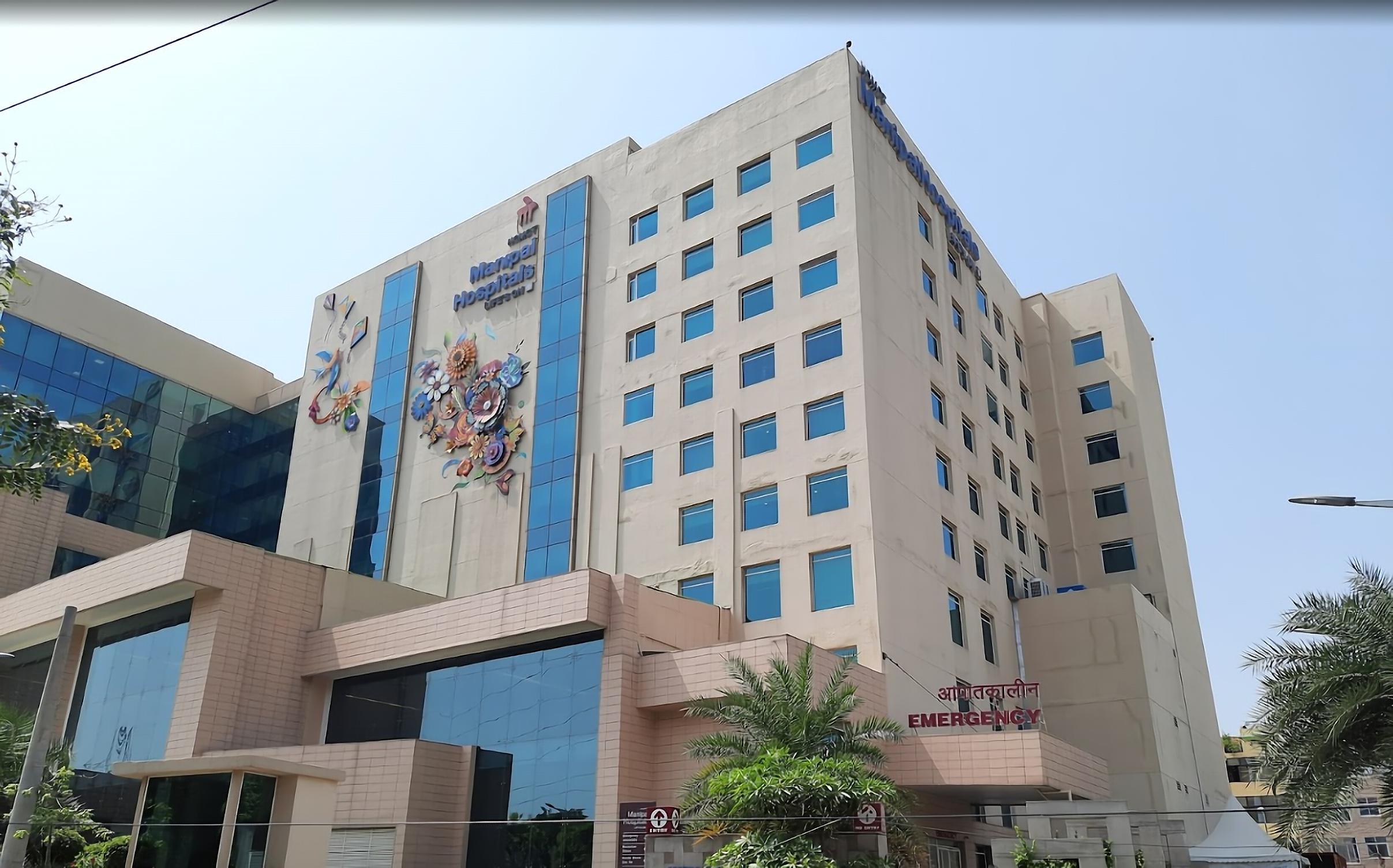
 In a rare medical miracle, doctors at HCMCT Manipal Hospital Dwarka in New Delhi, successfully treated a five-day-old newborn diagnosed with congenital hydrocephalus - a rare neurological condition caused by the abnormal accumulation of fluid in the brain.




New Delhi | 17 February 2026: In a rare medical miracle, doctors at HCMCT Manipal Hospital Dwarka in New Delhi, successfully treated a five-day-old newborn diagnosed with congenital hydrocephalus - a rare neurological condition caused by the abnormal accumulation of fluid in the brain. This condition was detected during the last trimester of the pregnancy which helped the doctors to initiate the treatment soon after the baby was born to prevent potential neurological damage. Further, the expectant mother was recommended to undergo a fetal MRI to assess the extent of the condition, and the parents were counselled.
Congenital hydrocephalus is a condition present at birth causing the head to enlarge due to excess fluid building up in the brain and increased pressure. It can occur due to problems in brain development during pregnancy, genetic factors, or blocked fluid flow, which can further lead to serious brain damage if not treated in time. Post delivery, the newborn was placed under close observation in the NICU. The highly delicate neurosurgical procedure involved the placement of a programmable ventriculoperitoneal (VP) shunt, which helped drain excess fluid from the brain and relieve intracranial pressure.
Dr. Anurag Saxena, Cluster Head - Delhi NCR, Neurosurgery said, “Congenital hydrocephalus can cause serious and irreversible neurological damage. If left unaddressed, it can lead to severe brain injury, developmental delays, seizures, and may also turn life-threatening. In this case, the biggest advantage was the early diagnosis during pregnancy, which allowed us to plan the surgery well in advance. Performing neurosurgery in a newborn is always challenging due to the delicate anatomy, very low circulating blood volume, risks of hypothermia, and the complexities of anaesthesia. However, timely intervention and a multidisciplinary team helped us achieve a positive outcome.”
Dr. Meenu Grewal, Consultant – Neonatologist said, “Caring for a newborn with a neurological condition demands continuous monitoring and close coordination between multiple teams. Following surgery, the baby showed a smooth and stable recovery in the NICU, with no post-operative complications. Early intervention not only ensured a successful surgical outcome but also significantly reduced the risk of long-term complications, giving the child a strong foundation for healthy neurological development.”
The procedure was carried out by a multidisciplinary team led by Dr. Anurag Saxena along with Dr. Tejasvi Singh and Dr. Ankit Kaura. The neuro-anaesthesia team played a crucial role in the safe management of anaesthesia and the child’s smooth recovery. Post-natal ICU care was expertly handled by ensuring comprehensive and continuous support for the newborn.






.jpeg)










.jpg)
.jpg)
.jpg)
.jpg)
.jpg)
.jpg)


.jpg)