 Thursday, October 08, 2026
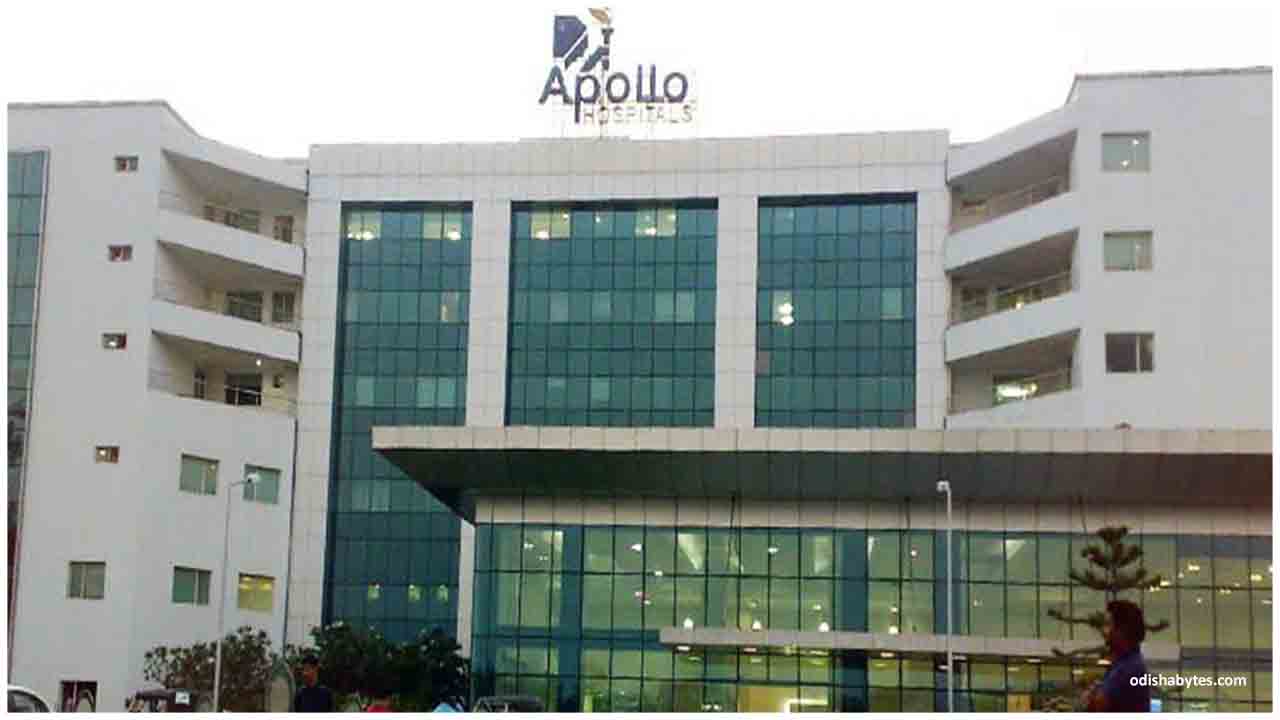
 Apollo Hospitals Group integrates Zebra Medical Vision’s AI for COVID-19 detection and disease progression tracking





Zebra Medical Vision, the deep-learning medical imaging analytics company, has partnered with Apollo Hospitals Group to deploy its software to assist Apollo Hospitals doctors with efficient and accurate diagnoses of COVID-19, by leveraging the company’s AI platform. In March 2019, Zebra-Med announced a collaboration with Apollo Hospitals chain, deploying AI-based tools at scale across India, supported by India-Israel Industrial R&D and Technological Innovation Fund. Following the deployment of the intracranial hemorrhage, the AI COVID-19 solution will enable future collaboration on additional medical findings, such as tuberculosis (TB).
A year later, Zebra-Med’s solution, based on a machine learning algorithm that analyzes computed tomography (CT) scans, could help relieve the burden on health systems globally, through earlier diagnoses and more effective triage. Currently, India has more than 190K confirmed COVID-19 cases and more than 5,000 deaths.
While laboratory testing has served as the first line of diagnostics during the coronavirus crisis, these tests have limited accuracy and do not indicate the state of disease progression. Zebra-Med’s software offers a faster alternative for detection of COVID-19 when PCR testing is unavailable or delayed, monitoring patients with COVID-19, as decision support for the allocation of ER, ICU resources and quantifies the disease burden and its progression.
The AI solution for COVID-19 leverages Zebra-Med’s GGO (Ground-Glass Opacities) patented algorithm, which is a dominant imaging feature of COVID-19 pneumonia and modified it to include consolidations and provide an automated indication and quantification of suspected COVID-19 findings on standard chest CTs, both contrast and non-contrast, by measuring the percentage of affected lung-burden volume relative to the entire lung volume, segmentation of the suspected findings, and classification.
“Zebra-Med researchers and engineers used clinical data from a vast amount of medical images to train the AI model of the COVID-19 solution,” says Ohad Arazi, CEO of Zebra-Med. “Our partnership with Apollo Hospitals allows us to leverage a patented algorithm we had developed in the past for imaging features of COVID-19 pneumonia in order to help Apollo’s staff to track the progression of the disease.”
“By identifying and tracking the development of these lesions, Zebra-Med software offers key insight into disease severity and enables doctors to diagnose and evaluate patients swiftly and effectively,” says Dr. Sreenivasa Raju K, CEO and Medical Director at Apollo Radiology International. “Deciding which suspected COVID-19 patients should be hospitalized is challenging when healthcare systems are overwhelmed. The vast majority of COVID-19 patients are mild, so having this automated tool has helped make critical decisions on whether to hospitalize.”






.jpeg)










.jpg)
.jpg)
.jpg)
.jpg)
.jpg)
.jpg)


.jpg)