 Thursday, November 19, 2026
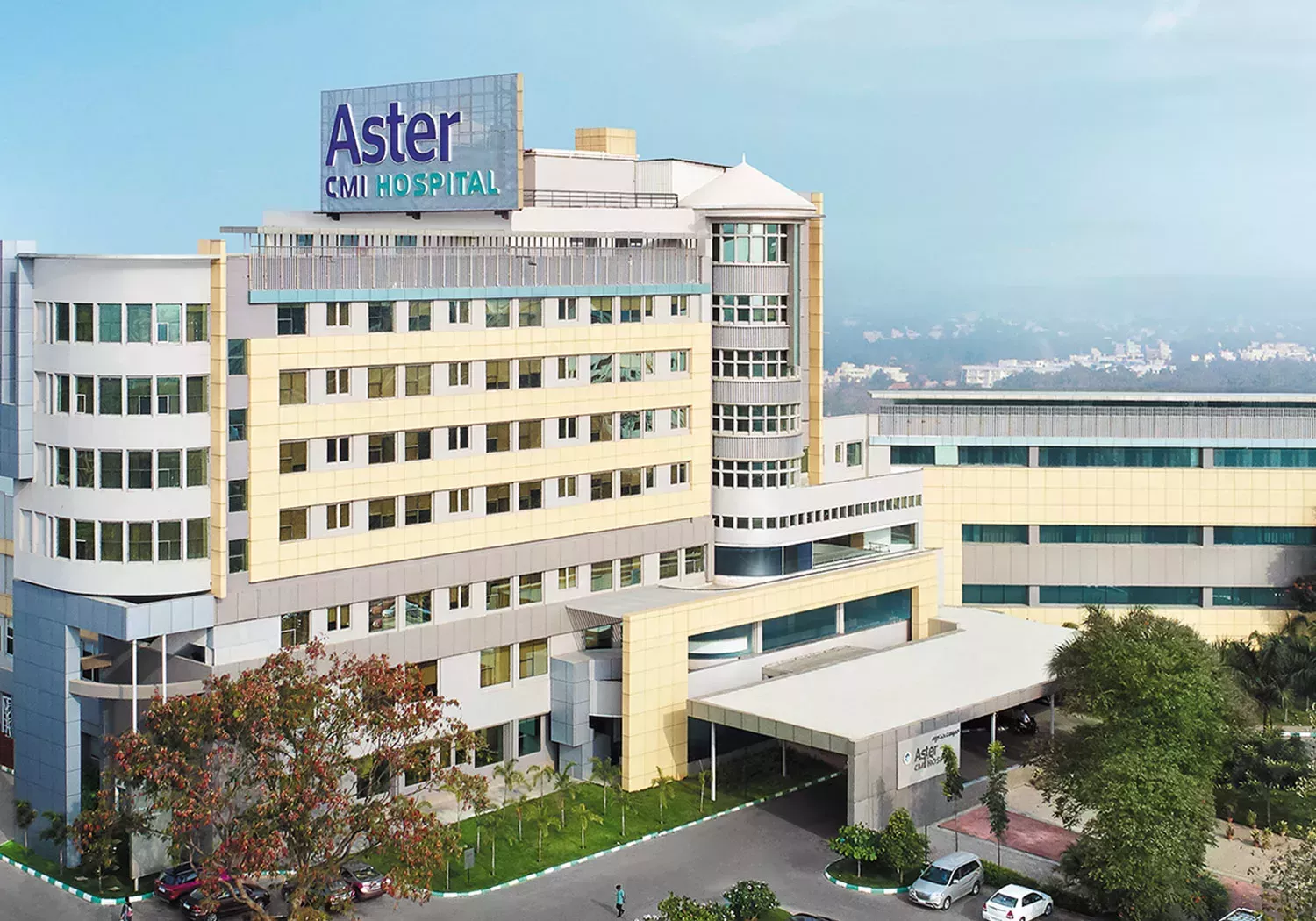
 In a rare and complex case, a 50-year-old man from the Democratic Republic of Congo underwent life-changing jaw reconstruction surgery at Aster Whitefield Hospital, Bengaluru, for a recurrent mandibular ameloblastoma.





👉 Order now at BestCheapPills and discover exclusive discounts for registeredcustomers!
Bengaluru, August 14, 2025 – In a rare and complex case, a 50-year-old man from the Democratic Republic of Congo underwent life-changing jaw reconstruction surgery at Aster Whitefield Hospital, Bengaluru, for a recurrent mandibular ameloblastoma. Though non-cancerous, the tumour had returned for the third time, affecting his entire lower jaw and severely impacting his ability to eat, speak, and live comfortably. Ameloblastoma is a rare condition, predominantly affecting men in their 30s, with a global incidence of less than one per million.
The patient had undergone two prior procedures in Congo before being referred to India due to the unavailability of advanced surgical tools like fibula-based jaw reconstruction and CAD-CAM surgical planning. On admission, he presented with severe facial swelling, misaligned jaw, and difficulty chewing. A large 27 cm × 15 cm tumour was found spanning the entire lower jaw. The case was further complicated by airway risks, high blood loss potential, Hepatitis B, and a language barrier, as the patient and his wife only spoke French.
Google Translate, along with the language support in the hospital, helped bridge the communication gap and ensured smooth, empathetic care. To guarantee accuracy, the team used CAD-CAM technology and 3D printing to simulate the surgery on a replica of the patient’s jaw. This allowed for custom cutting guides and a fibula flap to restore both shape and function. Anticipating airway issues, doctors created a temporary windpipe opening to aid breathing. As the patient was Hepatitis B positive, the surgical team followed strict safety protocols using protective gear due to the virus’s high transmissibility.
Despite facing many hurdles, a multidisciplinary surgical team led by Dr. Girish Shetkar, Consultant - Head & Neck Oncology, Prof. Dr. Somashekhar S P, Chairman - Medical Advisory Board, Aster DM Healthcare - GCC & India, Global Director - Aster International Institute of Oncology - GCC & India, Lead Consultant - Surgical & Gynecological Oncology & Robotic Surgeon, HIPEC & PIPAC Super-specialist, Dr. Ashwin K R, HOD - Department of Surgical Oncology & Consultant - Surgical Oncology and Gynecological Oncology, Dr. Sudarshan Reddy, Consultant - Plastic, Reconstructive & Aesthetic Surgery and Dr. Ashok B C, HOD - Department of Plastic Reconstructive and Aesthetic surgery & Chief of Medical Services, Aster Whitefield executed a successful six-hour procedure.
Dr. Ashok B C, HOD - Department of Plastic Reconstructive and Aesthetic Surgery & Chief of Medical Services said, “Technologies like CAD-CAM and 3D Printing helped us to understand and gauge the magnitude of the defect while providing us with a cutting guide. It further aided the team to come up with a reconstructed part that exactly matched the patient’s jaw. The patient's recovery with no complications further supports the clinical benefit of using technology in conjunction with advanced reconstructive techniques.”
Post-surgery, the patient recovered without complications apart from mild lip swelling. He resumed daily activities and has returned to Congo, planning to revisit India within four months for dental rehabilitation.
Prof. Dr. Somashekhar S P, Global Director - Aster International Institute of Oncology - GCC & India, Consultant - Surgical & Gynecological Oncology & Robotic Surgeon, HIPEC & PIPAC Super-specialist said, “Treatment of a recurrent ameloblastoma of this extent requires meticulous planning to prevent recurrence and enable functional recovery. We’re seeing a growing number of international patients choosing India for such advanced treatments, which speaks volumes about our medical progress. The use of CAD-CAM and 3D printing not only improves outcomes but also sets new standards in handling complex cases like these.”
The case not only reflects the role of advanced medical technology but also puts India at the forefront of affordable and accessible medical care, offering world-class treatment. Technology and skills join hands to perform miracles and save lives, rewriting healthcare outcomes for patients from across the globe.





-23-300x250.png)





















