 Thursday, October 08, 2026
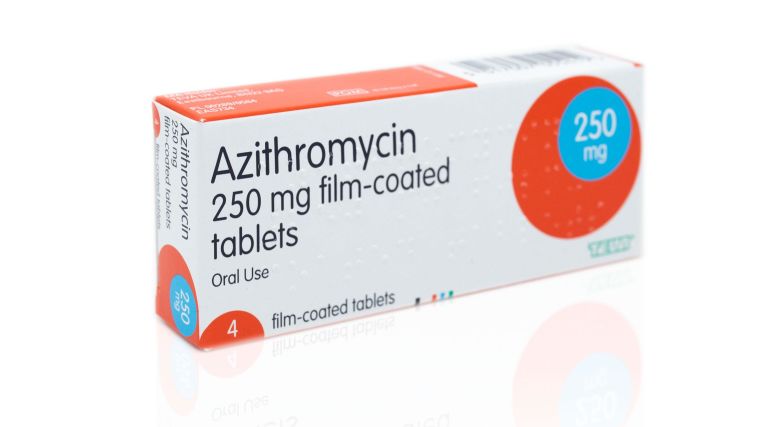
 The efficacy of Azithromycin in COVID patients have been questioned many times during the current research to find out an effective medicine for COVID. Azithromycin is an antibiotic that is widely used by medical doctors for treating flu-like symptoms of COVID





Coronavirus is a novel virus that causes infection of the respiratory tract leading to infection of the lungs. Antiviral and immunomodulatory agents have been potential treatments for this year. The treatment of choice for this COVID remains unknown, so it is important and crucial to find effective and safe treatment urgently to stop the spread of coronavirus. The major therapeutic strategies in COVID19 have been deeply revised as per the research. The use of antiviral drugs is very important and can work effectively as immunomodulators for the immune system. Many anti-virus medicines have come into existence since last year.
Coronavirus infection occurs due to lowered immunity
The infection triggers host immune responses. The replication and release of the virus in alveolar epithelial cells cause the host to undergo lowered immune response and difficulty to fight off the coronavirus infection. These molecules are recognized through receptors by surrounding epithelial cells, endothelial cells, and alveolar macrophages. These lead to pro-inflammatory cytokines and chemokines like interleukins, monocytes, etc.
Cytokine storm is the marked featured of coronavirus infection
Although most patients are able to clear the infection of the lungs some may develop dysfunctional immune responses leading to a “cytokine storm” which results in infection. This causes the uncontrolled release of proinflammatory cytokines, which is associated with disease severity and prognosis. This leads to multiple-organ failure or damage. Respiratory failure is a result of lung fibrosis and Acute Respiratory Distress Syndrome (ARDS) which is a leading cause of mortality by a coronavirus. COVID 19 has also been associated with a number of cardiovascular complications like myocarditis, pulmonary edema and acute heart failure.
A study evaluated and research-based for Azithromycin
An approach which medical professionals have advocated since the inception of the pandemic is having a 5 -day course of azithromycin ready for personal and family use at the first sign of COVID19. But, it is important to take Azithromycin under the supervision of the doctor if you are diagnosed or tested positive for coronavirus. Many medical professionals with expertise have treated a large number of patients with flu-like symptoms of COVID without virological testing from various age groups from children to elderly age groups who have been documented for COVID19 positive cases.
The treatment approach was very practical and research-based for a 5 days course of Azithromycin with a regime of 500mg Azithromycin on the 1st day followed by 250 mg Azithromycin on the remaining 4 days. Clinical and symptomatic improvement occurred in all patients within 24-48 hours of consumption of medicines. There were no complications or hospitalization. It was essential to rule out other co-morbid conditions like heart disease, liver problems, or allergies to Azithromycin which may require hospitalization.
All about the antibiotic: Azithromycin
Azithromycin is a macrolide antibiotic used for skin, respiratory tract, and other infections. It is one of the most commonly prescribed antibiotics. It has shown good antiviral and antimicrobial activity in the prevention and treatment of severe infections of the respiratory tract owing to its immunomodulatory infection.
Azithromycin exhibits both properties and will play a very important role in the treatment of COVID
Azithromycin can be effective against COVID symptoms to some extent and could act in different points of the viral cycle. Its immunomodulatory properties include the ability to reduce cytokine production, maintain epithelial cell integrity and prevent lung fibrosis. Azithromycin is often associated with a reduction in mortality and morbidity especially in cases of viral infections. These properties and effectiveness can be beneficial to the COVID patients. However, the evidence of use is scarce and low. Azithromycin is assessed in many observational studies mainly in combination with hydroxychloroquine which is shown to provide no special benefit. Upcoming clinical trials are very important to check the efficacy of Azithromycin on COVID symptoms.





.jpeg)








.jpg)
.jpg)
.jpg)
.jpg)
.jpg)
.jpg)


.jpg)
.jpg)
.jpg)